What is 2Pac Paint? Complete Guide to 2 Pack Polyurethane

What is 2Pac Paint? Complete Guide to 2 Pack Polyurethane

What is 2Pac Paint? The Complete Guide to 2 Pack Polyurethane Paint

You’re three meetings deep into your kitchen renovation, and every builder, cabinet maker, and designer keeps throwing around the word “2Pac.” You nod. You smile. But honestly, you’re thinking, what does it actually mean, and why does everyone seem to think it matters so much?

Here’s the short answer: 2Pac paint is one of the most durable, beautiful, and long-lasting finishes you can put on your kitchen cabinets. It’s the reason high-end kitchens look the way they do, that seamless, smooth, quality surface.

As custom joinery painters, we work with 2Pac polyurethane finishes every single day for cabinet makers, builders and designers across Sydney and the surrounding areas. So, in this guide, we’re cutting through the noise and giving you everything you actually need to know.
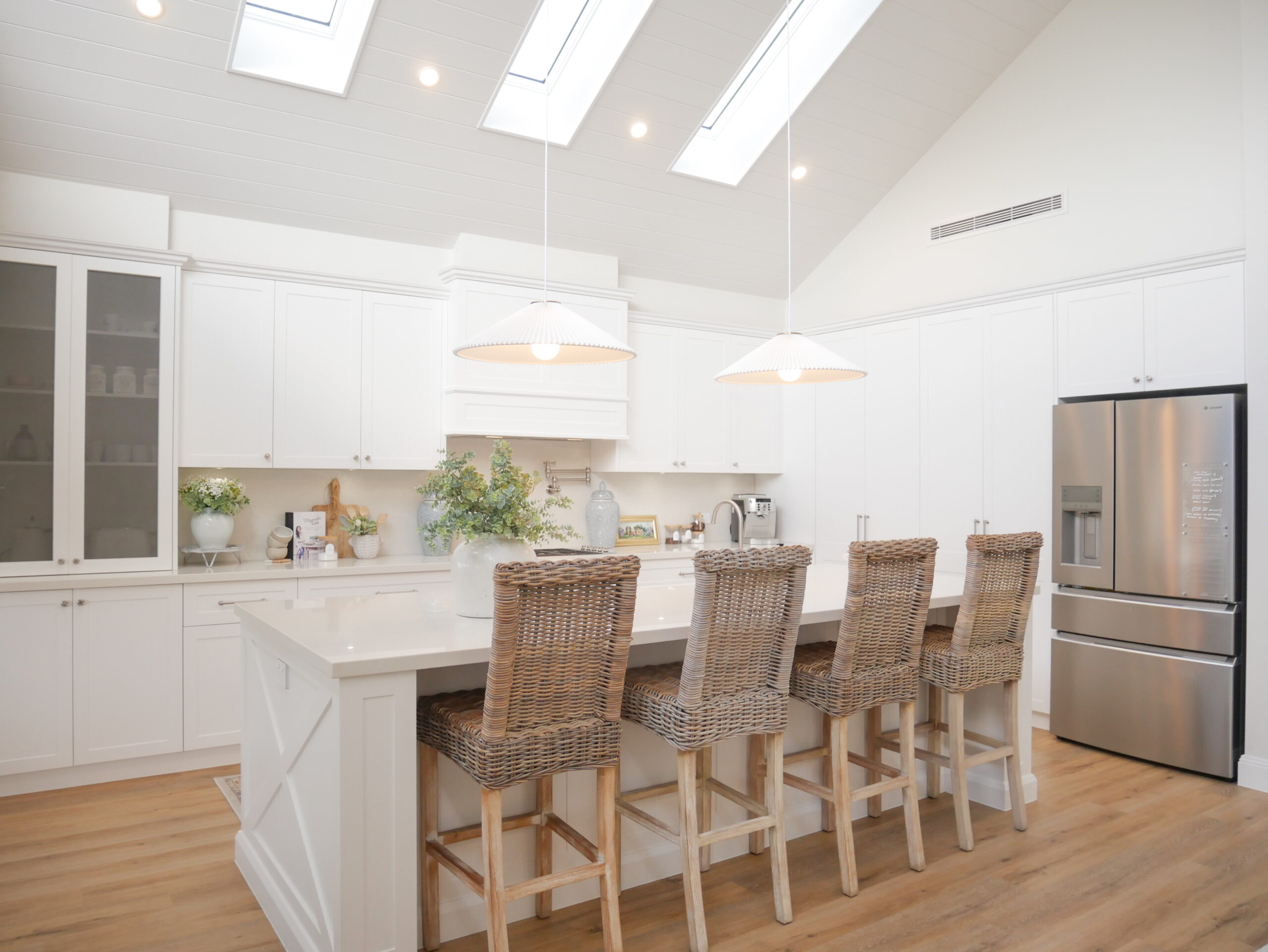
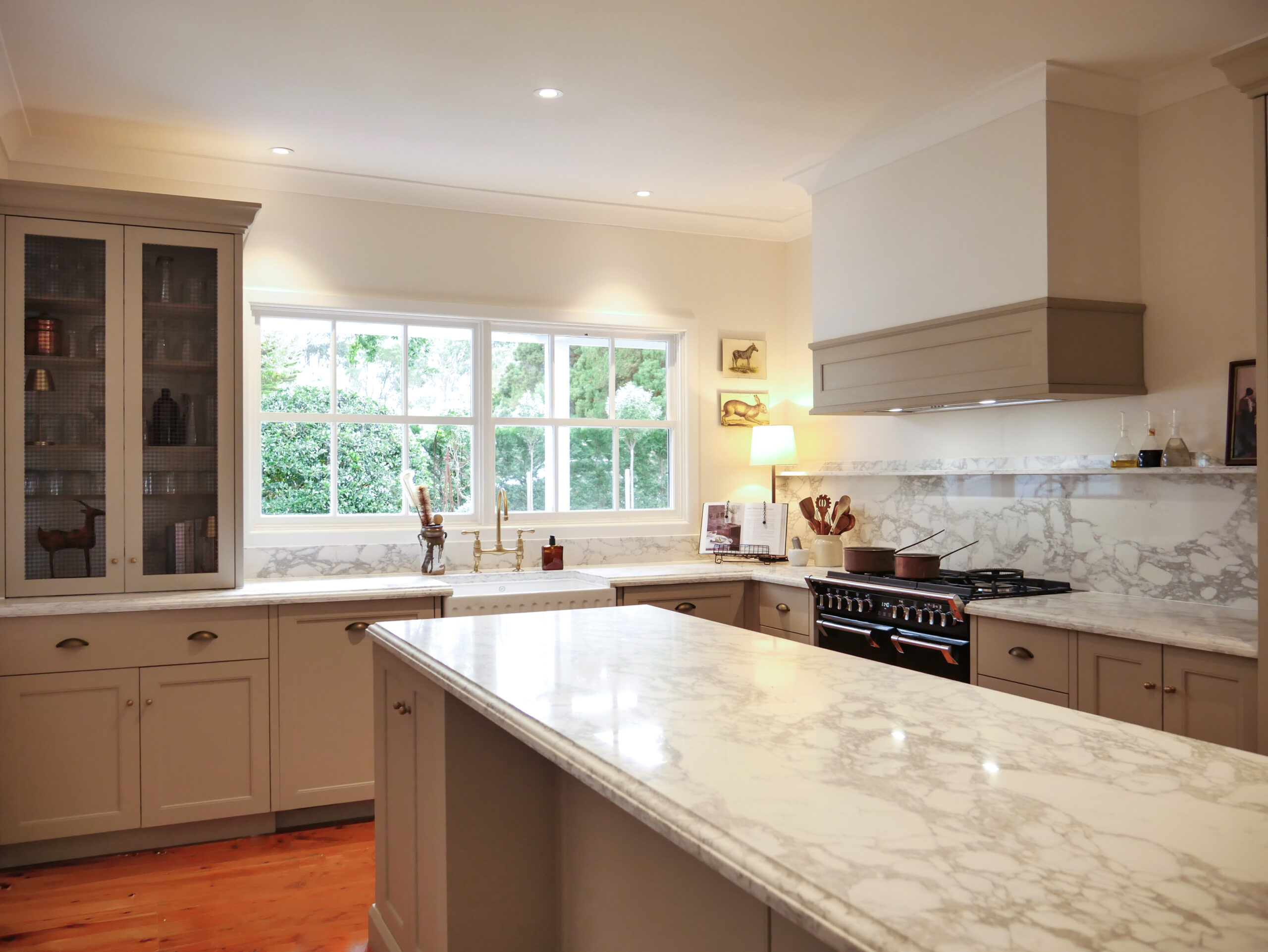
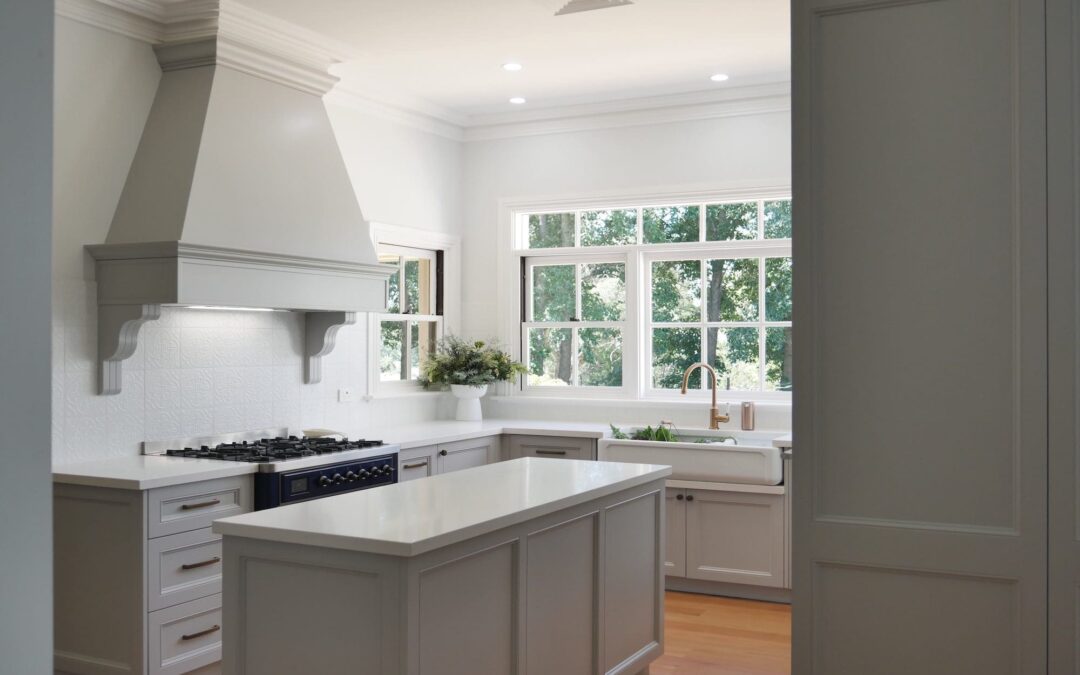
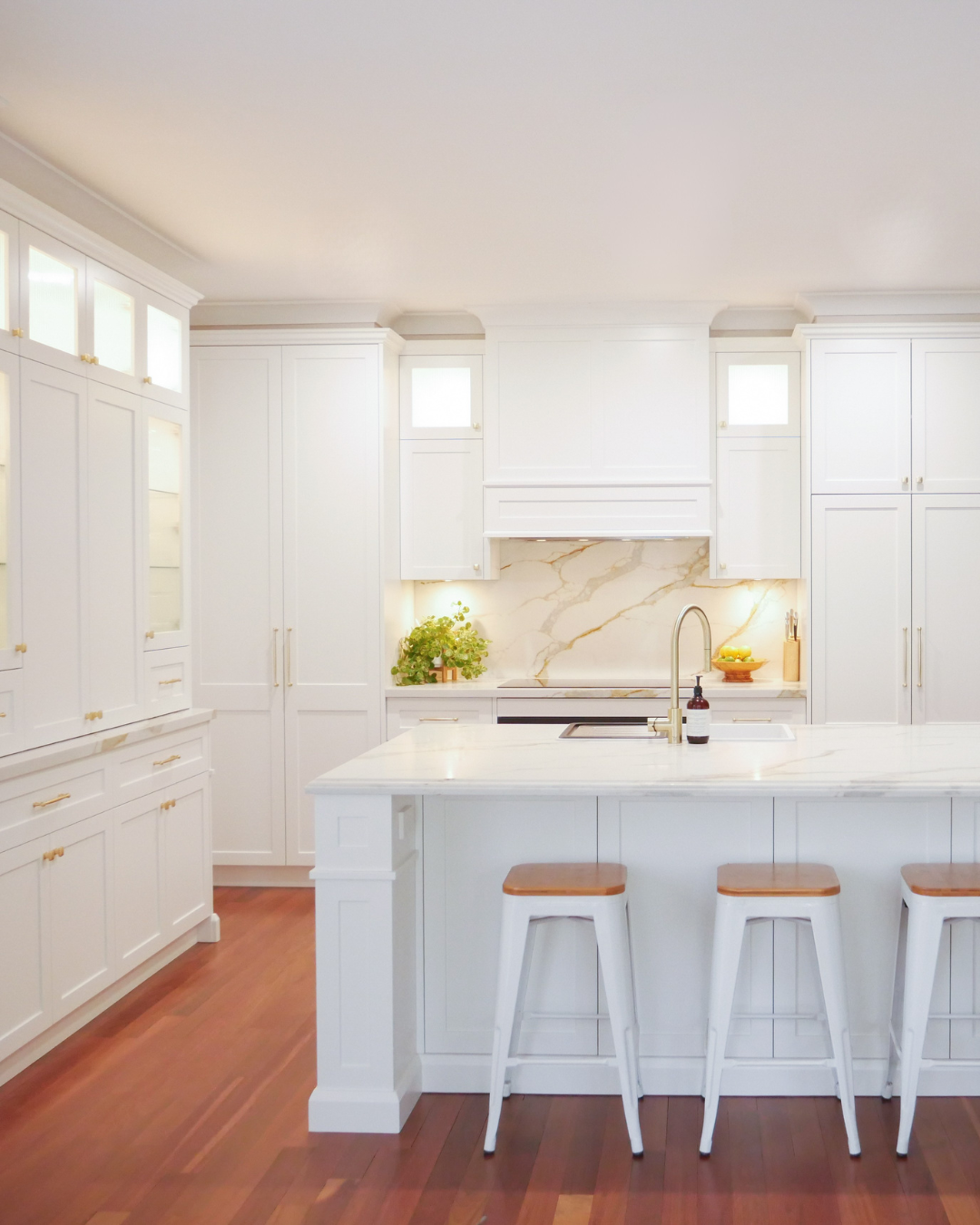
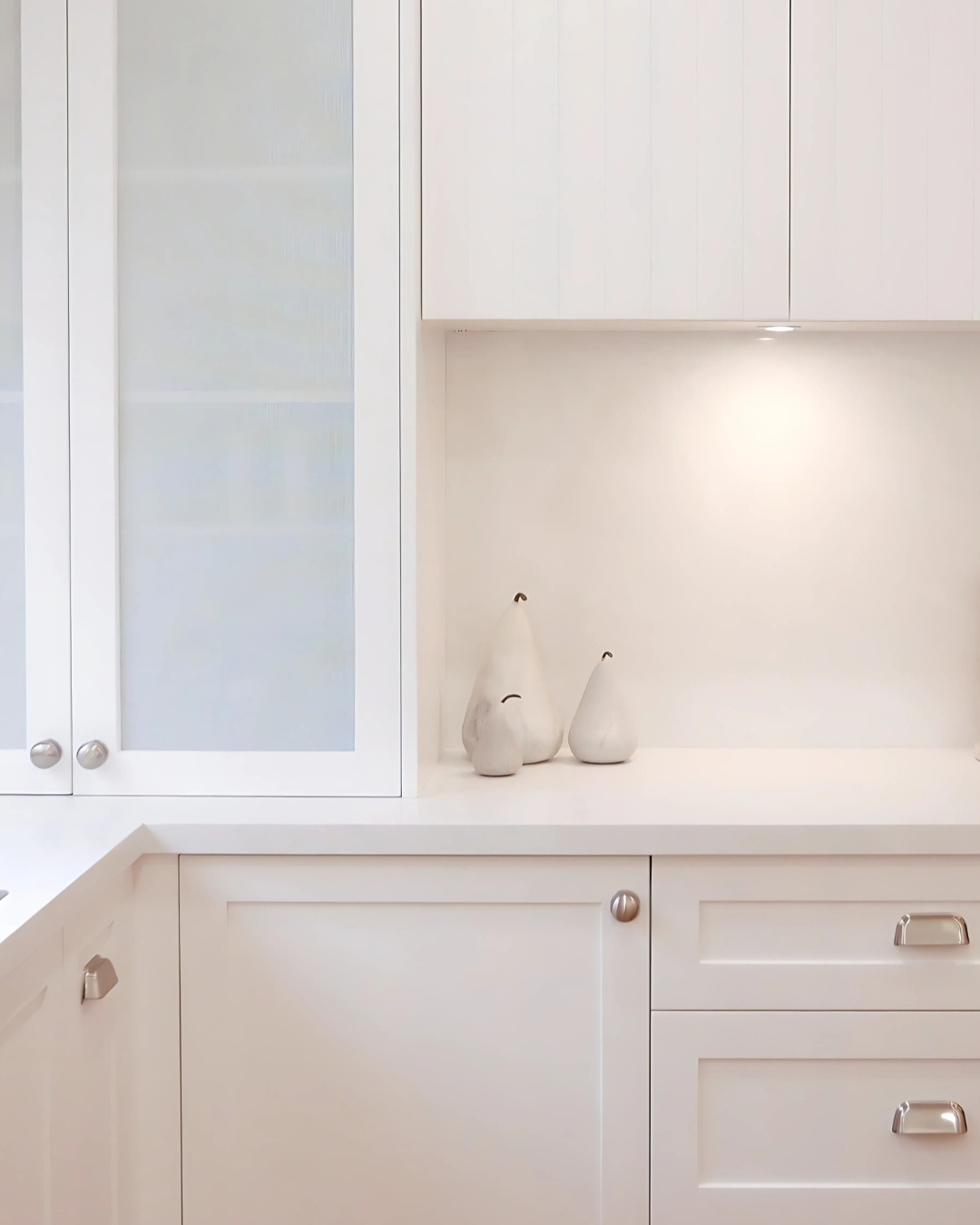
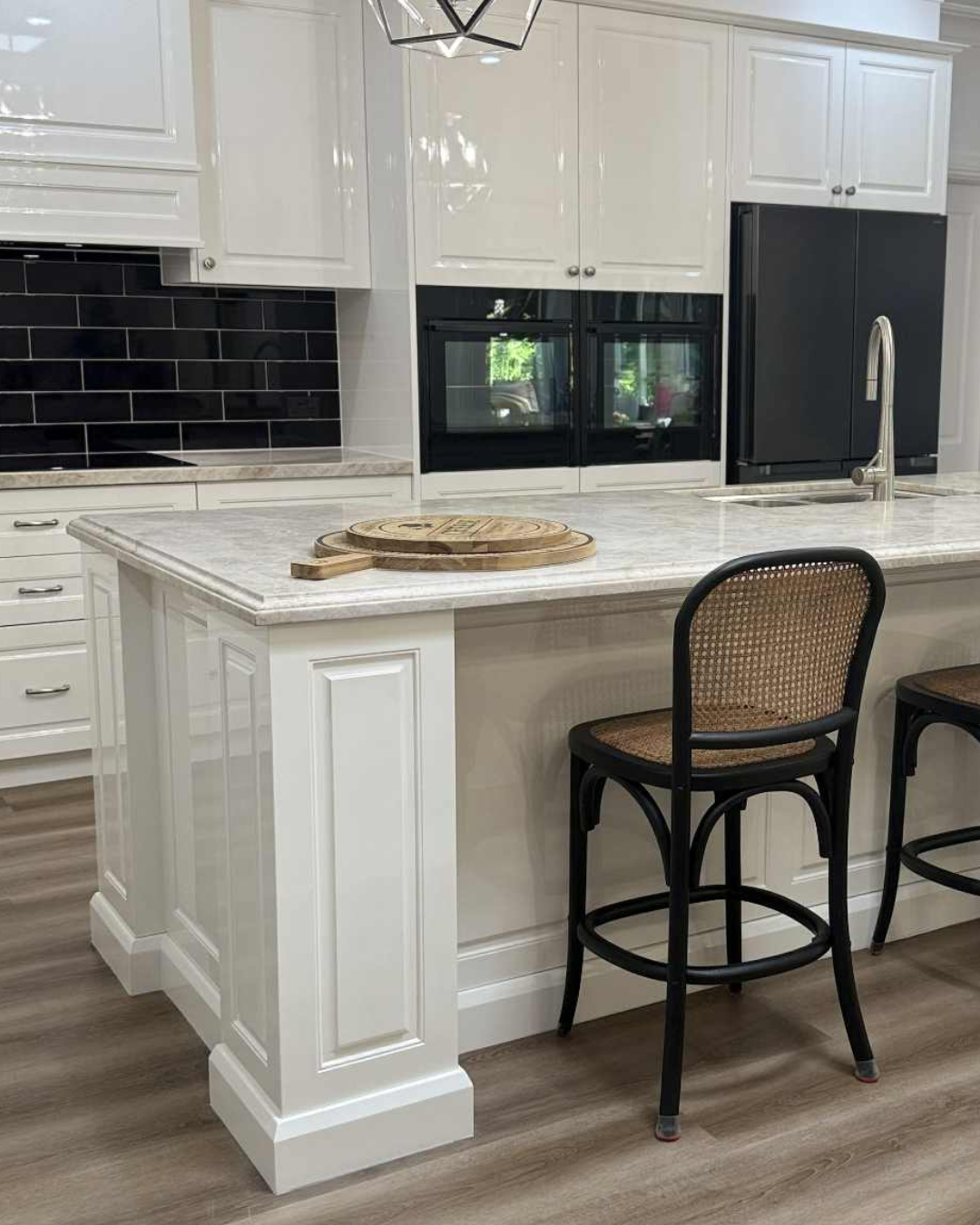
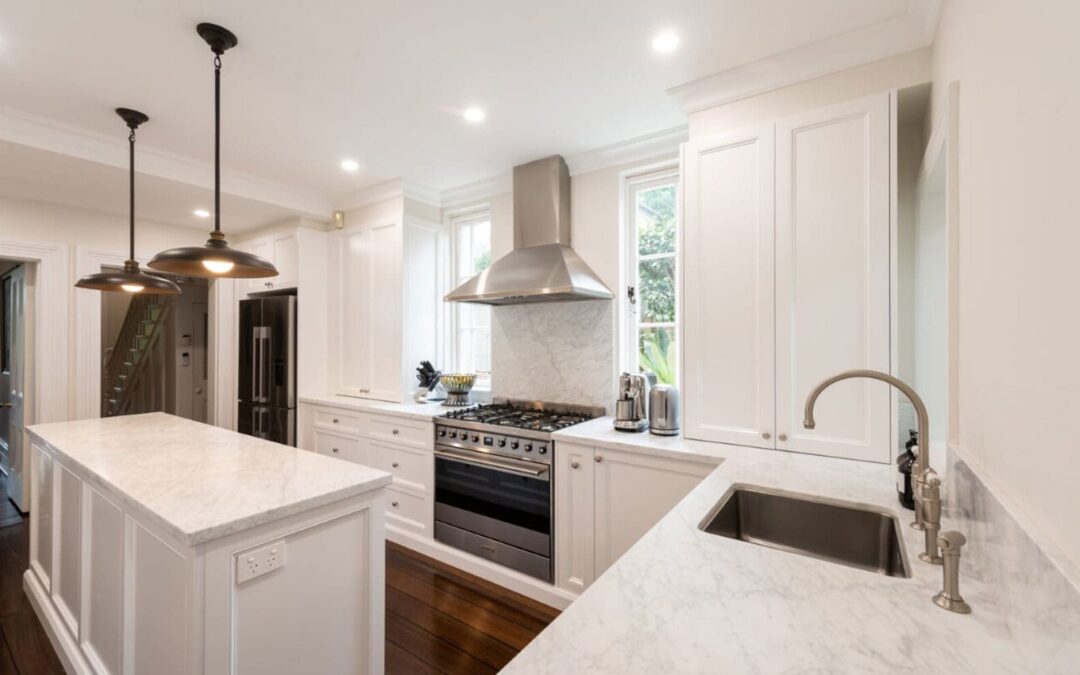
Modern kitchen featuring custom 2Pac polyurethane painted cabinets with a smooth seamless finish in Sydney home

What is 2Pac Paint? (The Plain-English Version)

2Pac paint: also written as 2 pack paint, two pack paint, or two pack polyurethane, is a two-component paint system made by combining:

Part A — the coloured polyurethane resin (this is what gives you the colour and finish)

Part B — a polyisocyanate resin hardener or catalyst

When these two liquids are mixed together, a chemical reaction begins immediately. This reaction doesn’t just dry the paint, it cures it into an extremely hard, durable surface coating. Think of it less like paint and more like a protective shell.

This is fundamentally different from the standard single-pack paints you’d use on walls. Those paints dry through simple evaporation, the water or solvent leaves, and you’re left with a film. 2Pac paint chemically bonds into something far tougher.
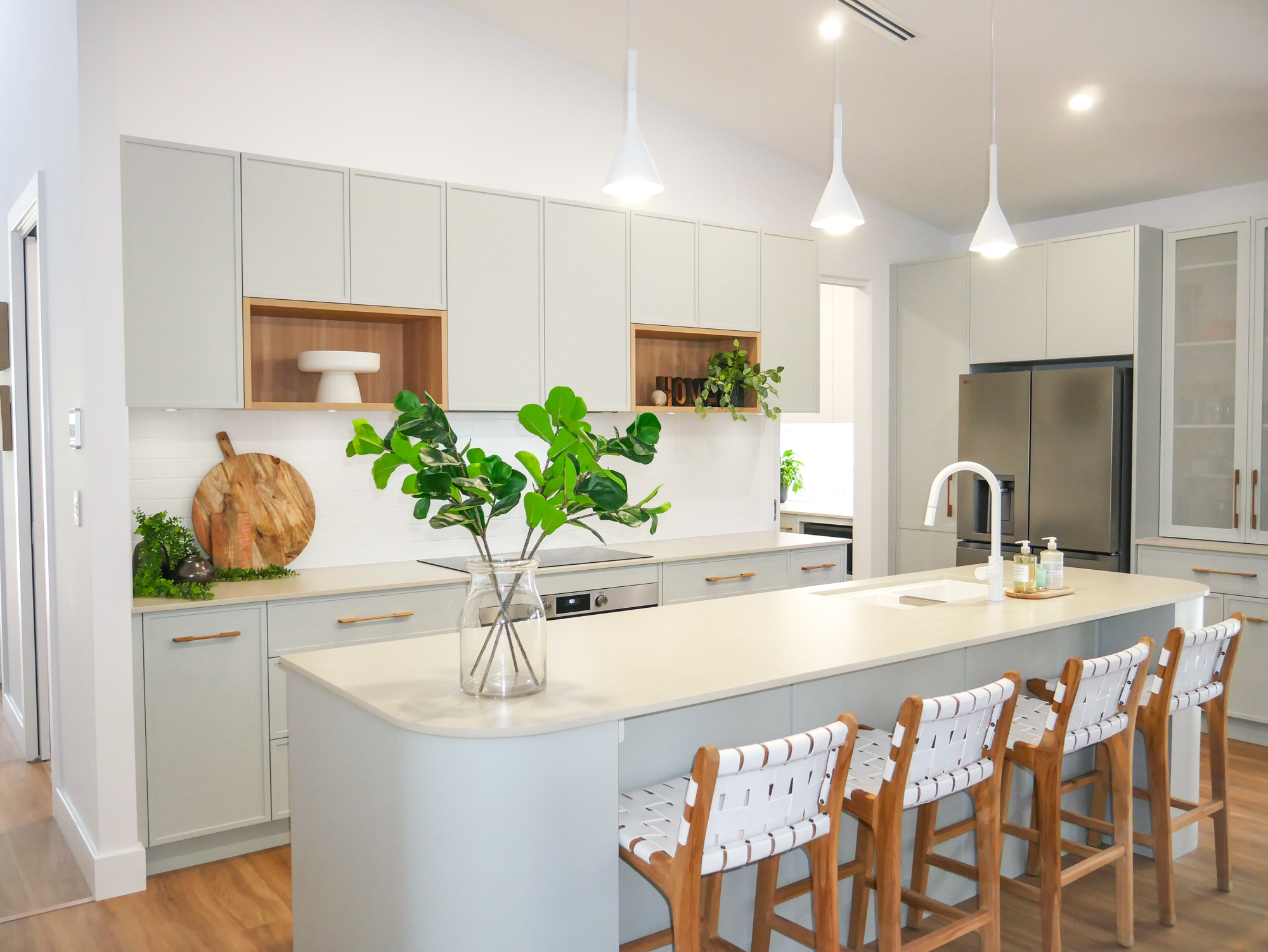
 

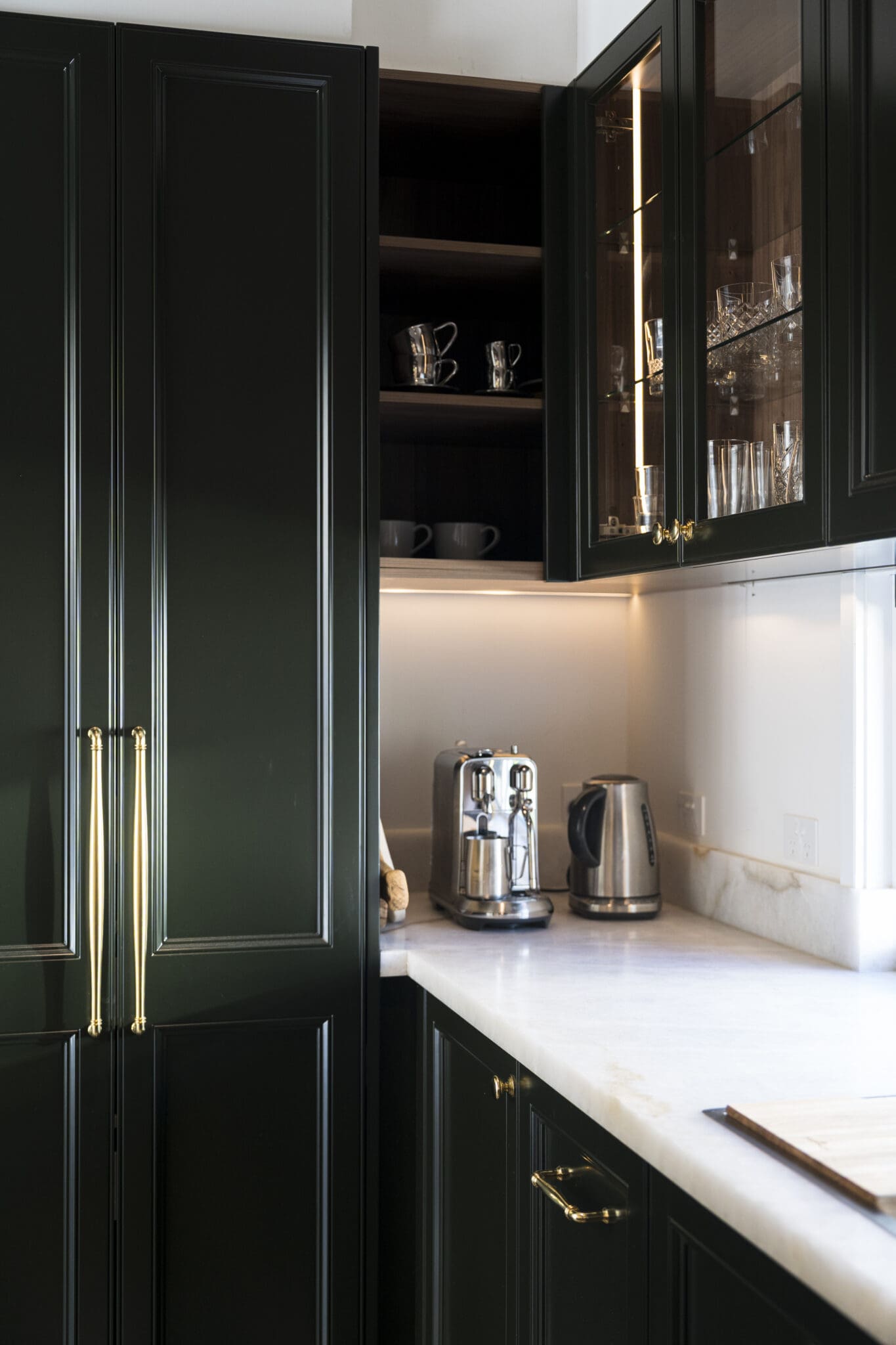
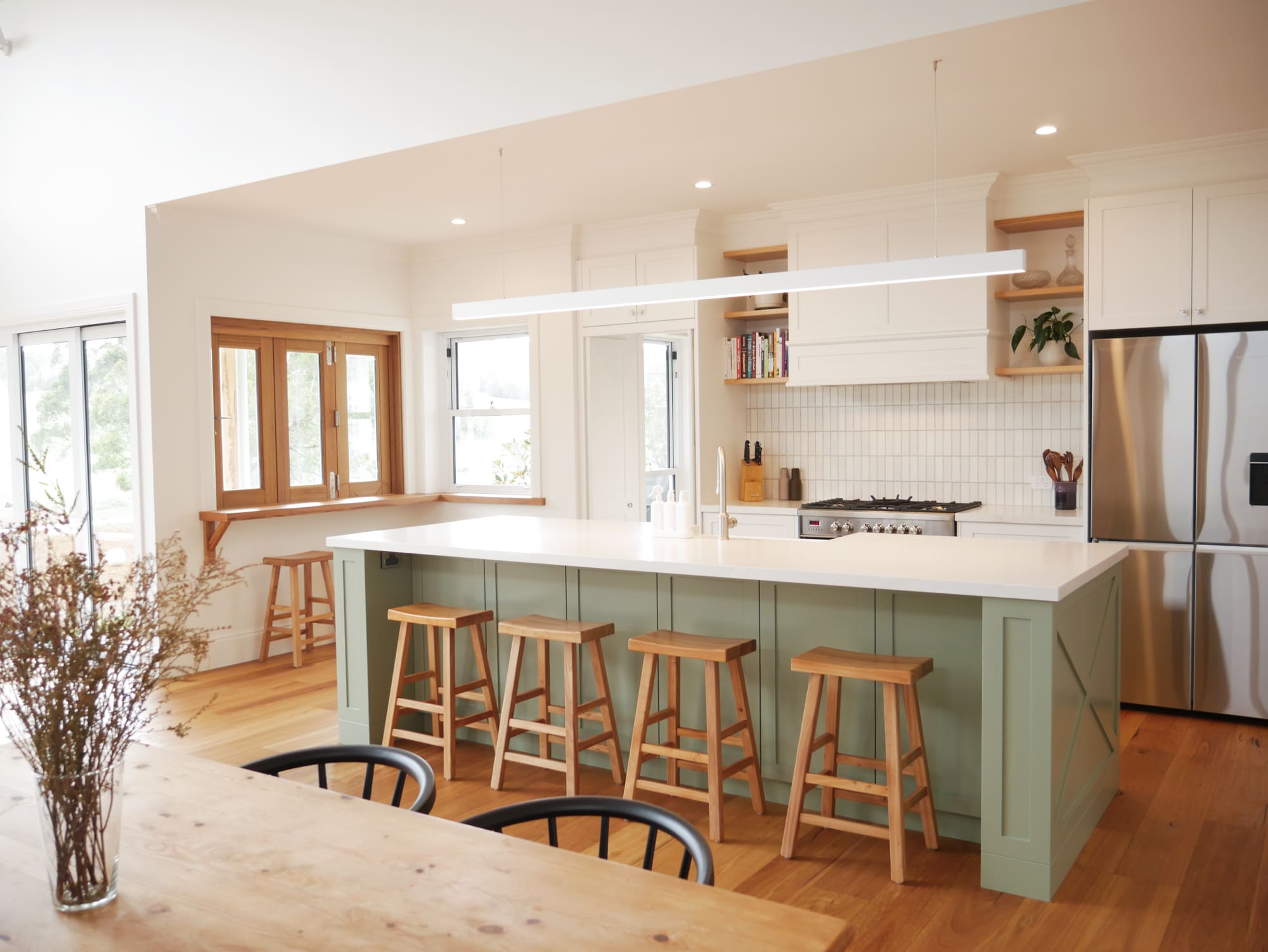
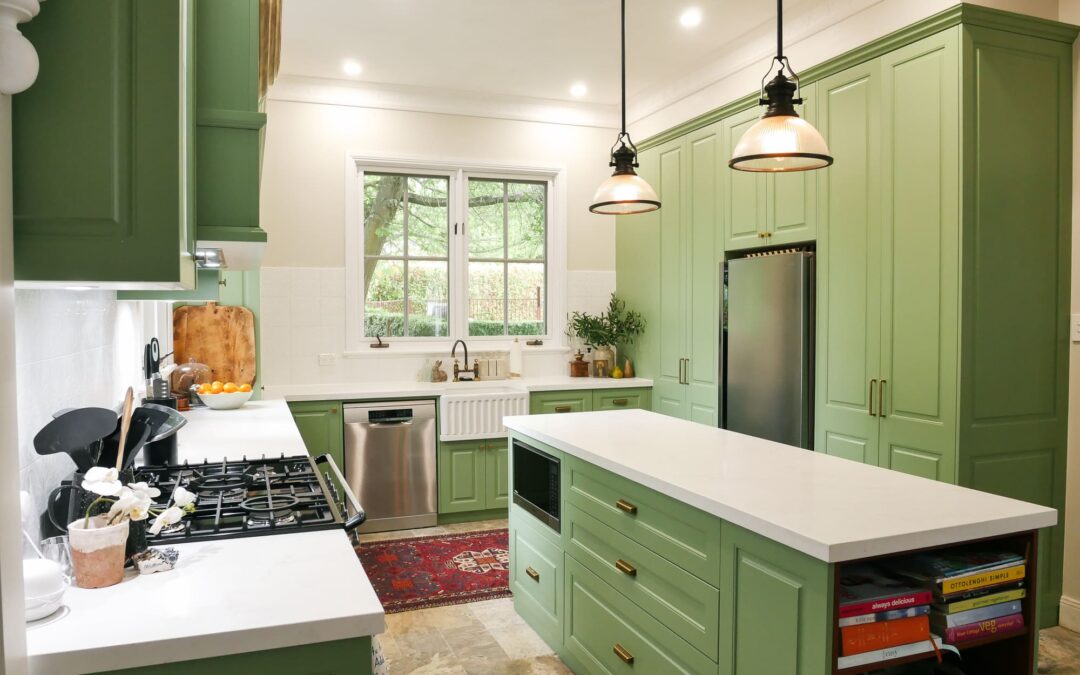
sage green kitchen colours with timber elements.

The Application Process: How It’s Actually Done


This is where it gets interesting, and where most guides gloss over the important details.

Professionally applied 2Pac involves multiple stages:

  1. Substrate preparation: Cabinetry is typically built from MDF (medium-density fibreboard) and must be sanded smooth before any coating is applied.
  2. Undercoat and sealer layers: Multiple coats are applied and sanded between each one to build up a perfectly smooth base.
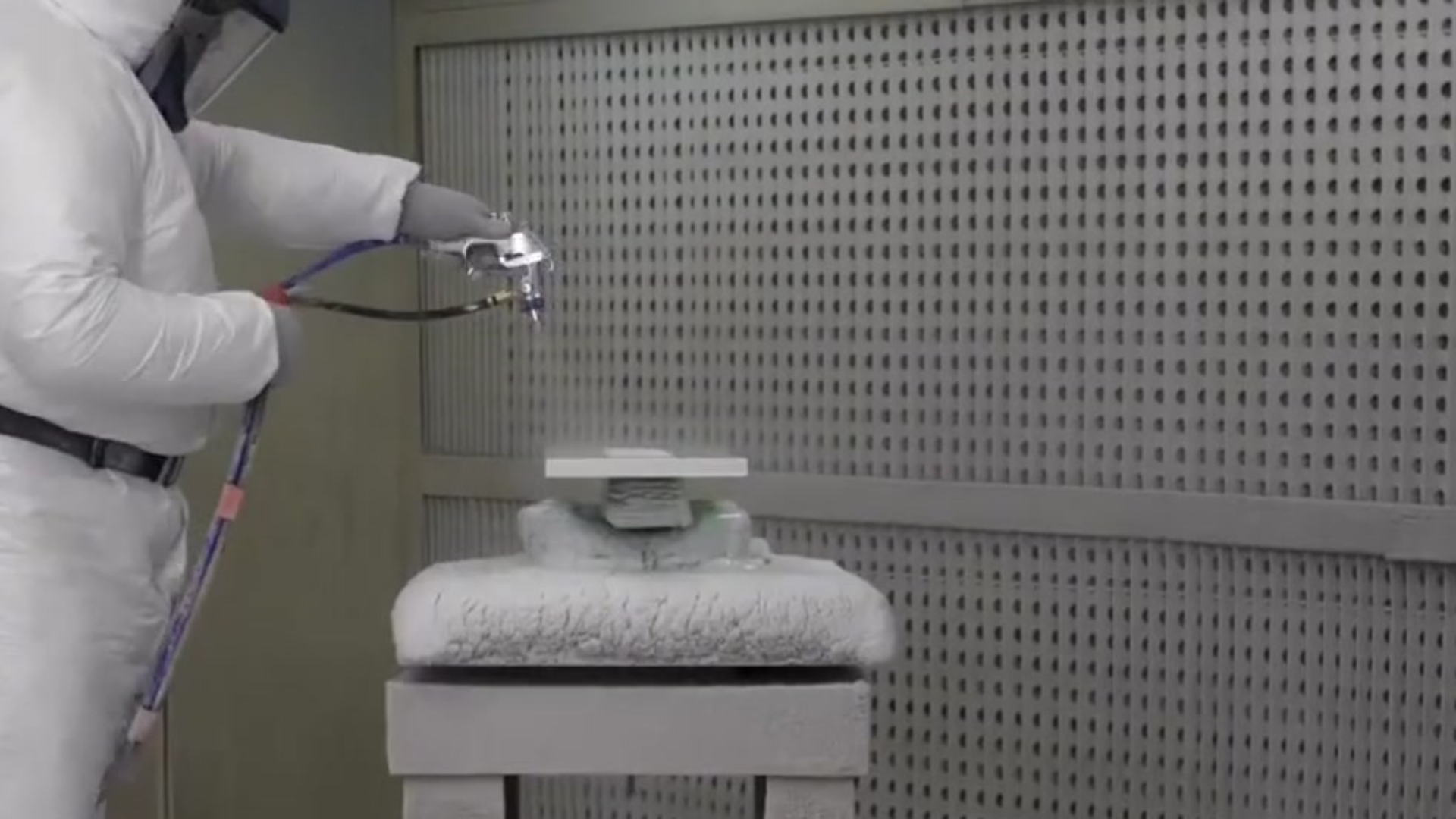
  3. Spray application of colour: The mixed 2Pac paint is applied in a controlled spray booth environment, free from dust and airborne debris that would ruin the finish.
  4. Curing: The cabinets undergo a curing process (sometimes oven-fired) to fully harden the coating.
  5. Final inspection and buffing: Some High-gloss finishes require careful buffing after curing.

One important thing to know: once Part A and Part B are mixed, the clock starts ticking. The mixture has what’s called a “pot life”, a window of time before the chemical reaction makes it unusable. This is where spray equipment must be thoroughly cleaned before that window closes. This is one of many reasons 2Pac is strictly a professional-only product.
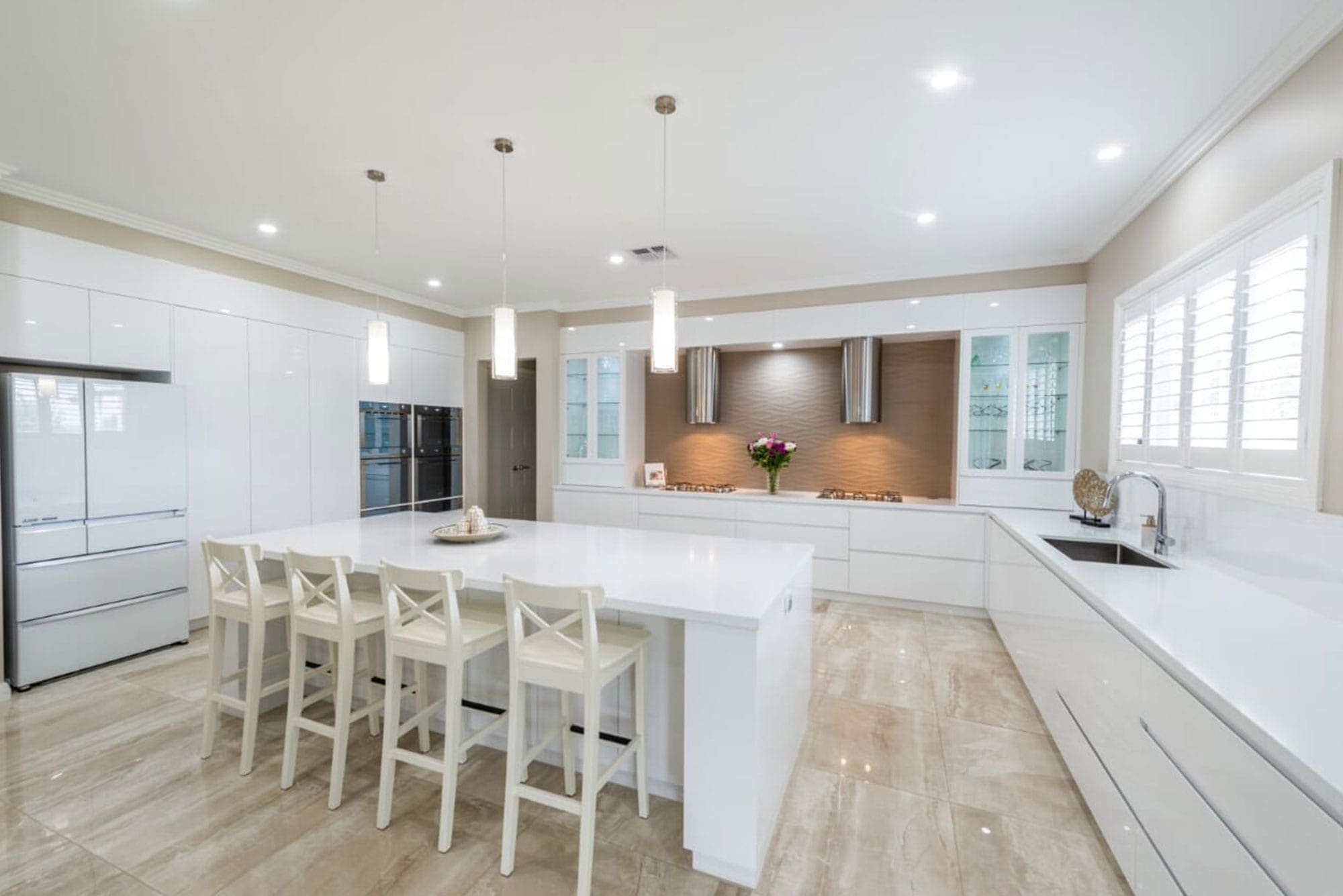
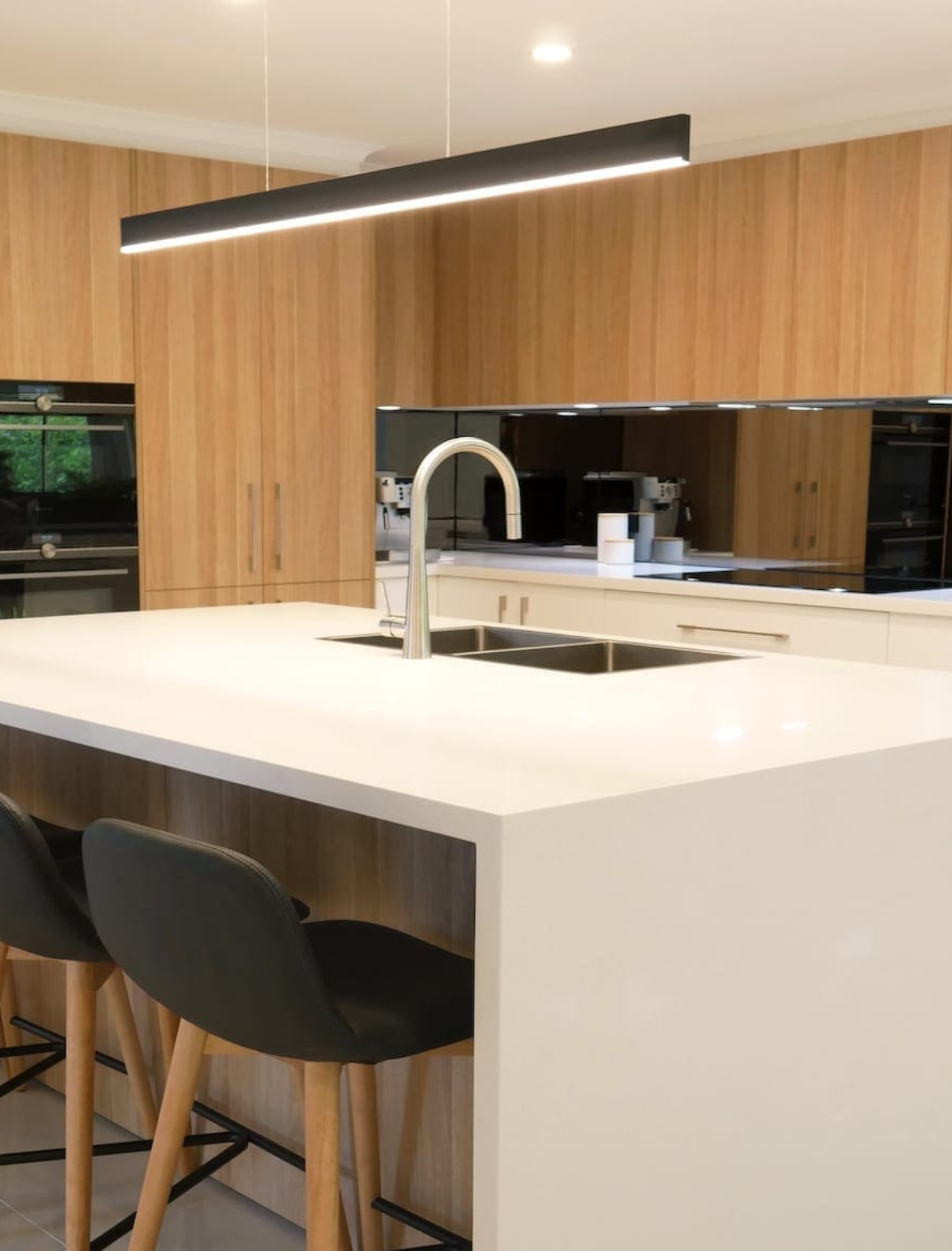
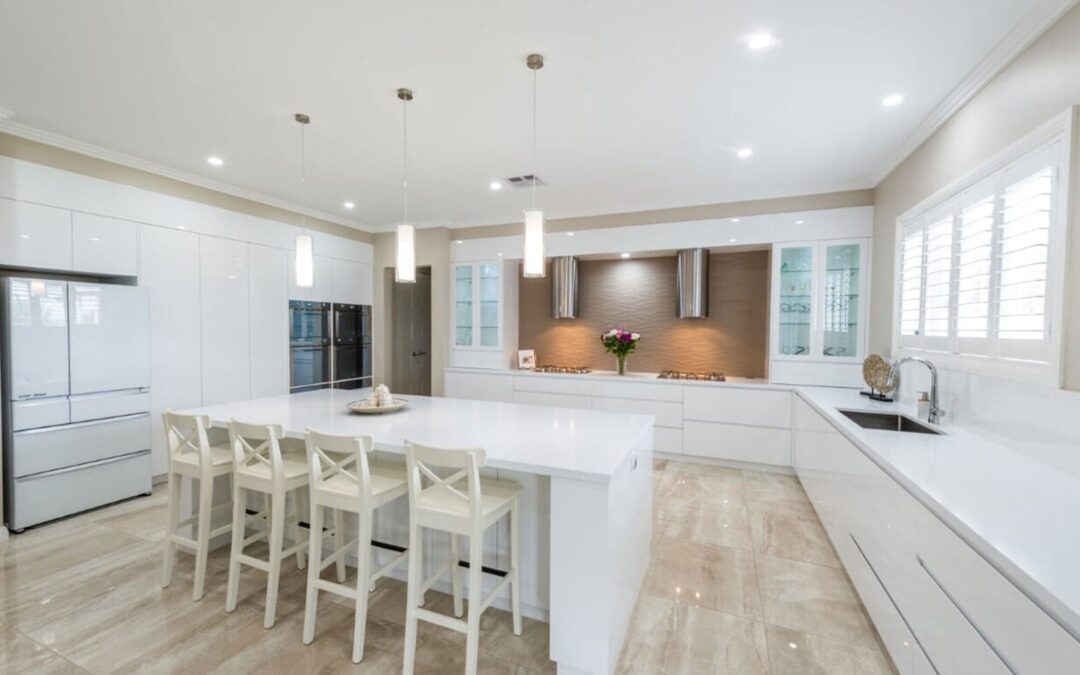
High gloss 2Pac kitchen cabinets reflecting natural light with premium polyurethane finish

Why is 2Pac Paint So Popular for Kitchen Cabinets in Sydney?


Your kitchen cabinets are subjected to more daily punishment than almost any other surface in your home: cooking heat, steam, moisture, constant cleaning, fingerprints, knocks, spills, and the general chaos of family life.

A useful way to think about it: 2Pac polyurethane is to your kitchen what a clear coat is to a car. Cars face sun, rain, scratches, and years of abuse, yet quality automotive finishes hold up beautifully. Your cabinetry deserves the same level of protection.

That’s exactly the chemistry behind 2Pac. It was originally developed for the automotive and flooring industries before kitchen manufacturers adopted it.
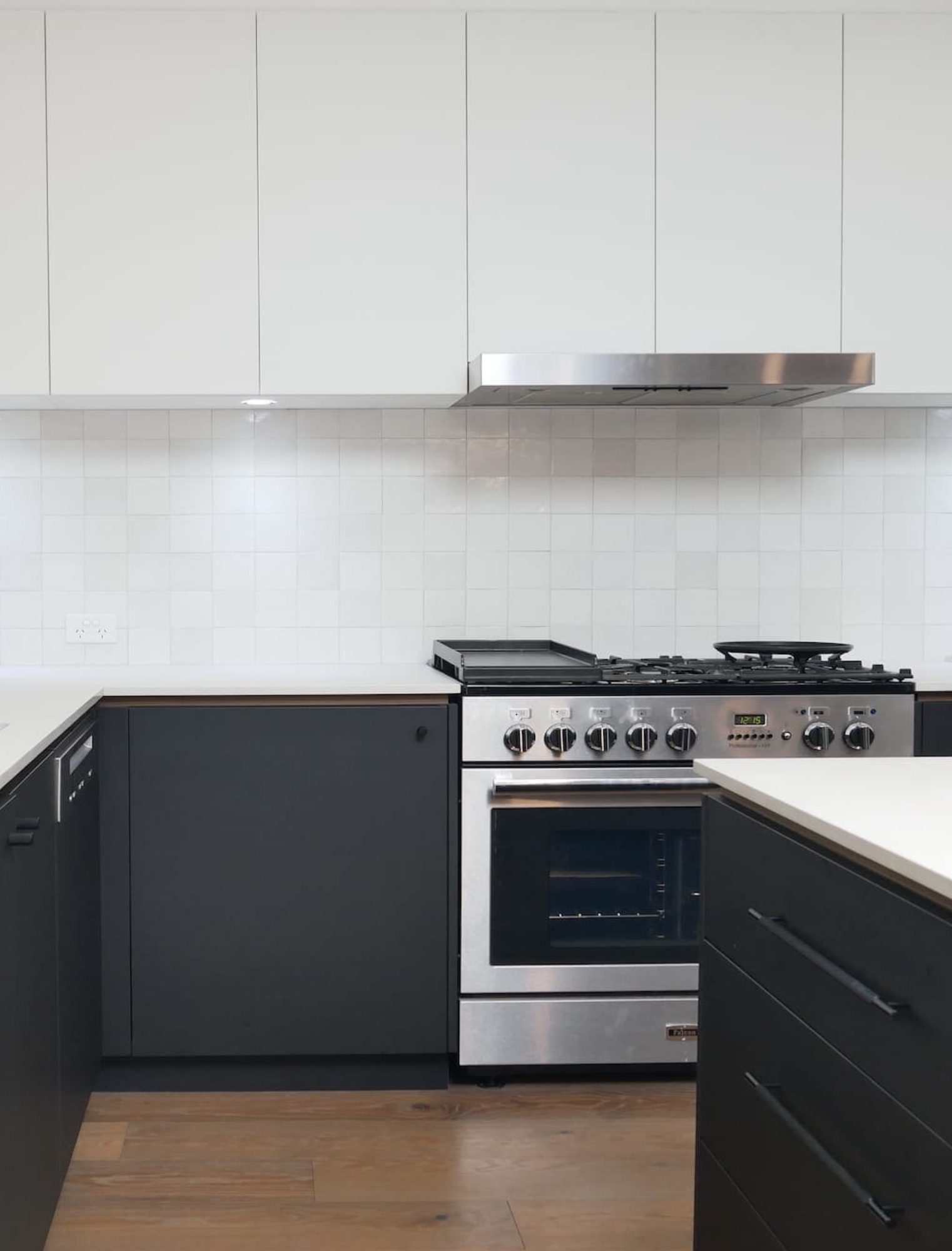
Smooth matt polyurethane kitchen cabinetry Moss Vale NSW

The Key Benefits of 2Pac Kitchen Cabinets

Seamless, Smooth Finish

Unlike laminate cabinetry, there are no visible joins, edging lines, or texture seams. The sprayed finish wraps around the cabinet creating a clean, continuous surface, the hallmark of custom joinery.

Works on Any Door Profile

This is a big one that most people don’t know. Because 2Pac is sprayed, it can be applied to any cabinet door profile, flat panels, shaker style, tongue and groove, VJ panels, fluted fronts, routed handles, and curved edges. Laminate and vinyl wrap simply can’t do this; they can only be bonded to flat surfaces. If you want a profiled kitchen door, 2Pac is often your only quality option.

Huge Colour Flexibility

2Pac paint can be colour-matched to virtually any colour in any palette, Dulux, Taubmans, or completely custom. Whether you want:

  • Crisp white shaker kitchens
  • Warm neutral tones
  • Dark, moody cabinetry
  • Soft coastal palettes
  • Bold statement colours

The flexibility is essentially unlimited. It’s worth noting that darker colours cost slightly more than light-base finishes due to the additional pigment load required.

Exceptional Durability

The chemically cured surface is highly resistant to:

  • Heat — handles steam and cooking temperatures well
  • Moisture — ideal for kitchens, bathrooms, and laundries
  • Scratches — far harder than standard paint
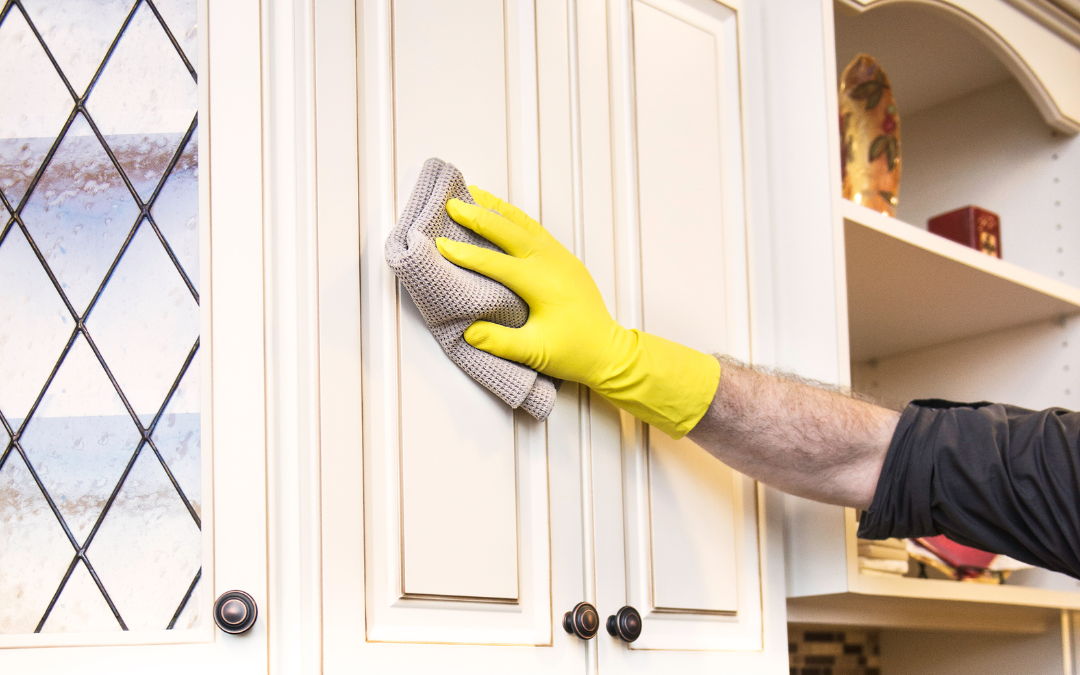
  • Cleaning products — won’t break down with regular wiping
  • UV fading — colour stays true over years of sunlight exposure
  • Everyday wear and tear — built for family life

Easy to Clean

A soft cloth and mild detergent is all you need. The non-porous cured surface doesn’t absorb grime, making it genuinely low-maintenance for busy households.

Can Be Repainted in Future

Unlike some other finishes, 2Pac cabinetry can be professionally resprayed down the track if you want to update your colour scheme, without replacing the entire kitchen.
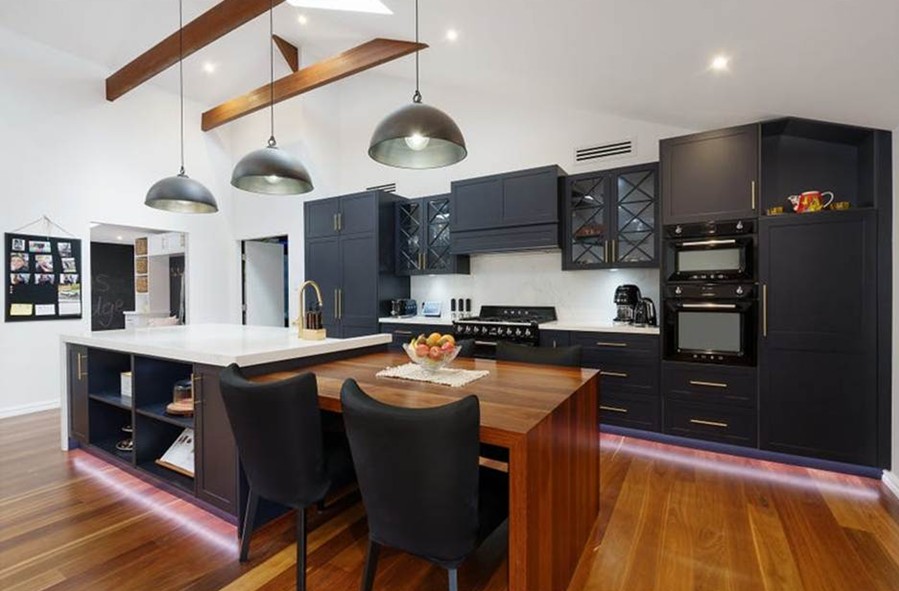
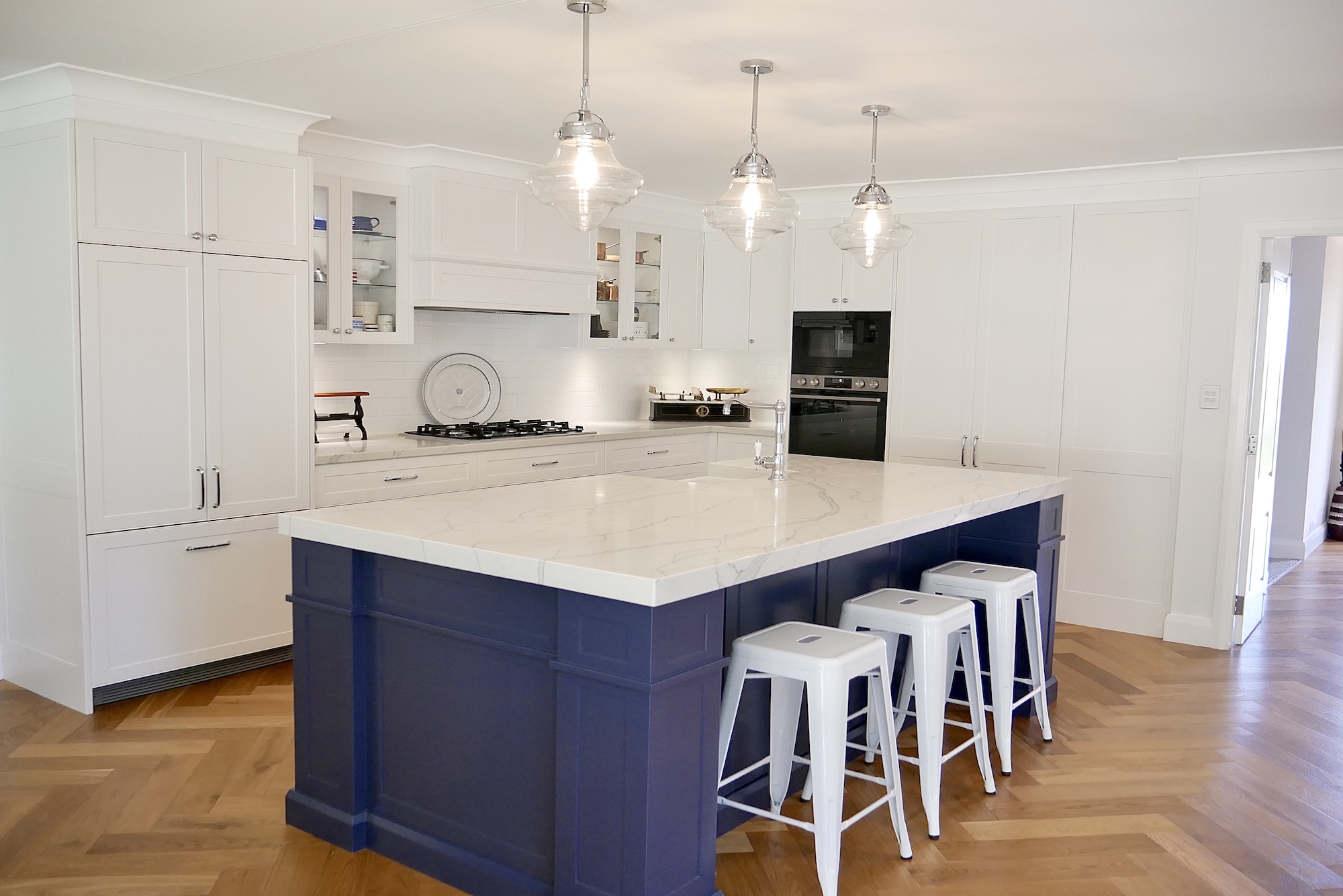
Navy kitchen cabinets Australia featured with timber island

2Pac Paint Gloss Levels Explained

One of the best decisions you’ll make in a custom kitchen is choosing the right gloss level. Each creates a completely different feel.

Matte Finish (approx. 10% sheen)

Very low reflection, soft and sophisticated. Matte kitchens feel calm and contemporary.

Best for: Minimalist homes, neutral palettes, modern architecture

Worth knowing: Can show marks slightly more than satin, but wipes clean easily

Satin Finish (approx. 30% sheen)

The most popular choice for kitchen cabinets. Satin sits in the sweet spot, a subtle warmth without being shiny and is forgiving with fingerprints and minor marks.

Best for: Family kitchens, high-use cabinetry, bathroom vanities

Semi-Gloss Finish (approx. 60% sheen)

More depth and visual impact, with a refined shine that catches light nicely.

Best for: Feature kitchens, contemporary cabinetry, spaces with good natural light

High Gloss Finish (approx. 90–100% gloss)

Maximum shine, maximum impact. Reflects light beautifully and can make smaller kitchens feel larger and brighter.

Best for: Modern homes, statement cabinetry

Worth knowing: High gloss is the most expensive finish, it requires the most preparation work before spraying and careful buffing after curing. Fingerprints are also more visible, so it suits households willing to wipe down regularly. But the result? Genuinely stunning.

For more information on Sheen levels and how different sheens look, explore our sheen blog post. 
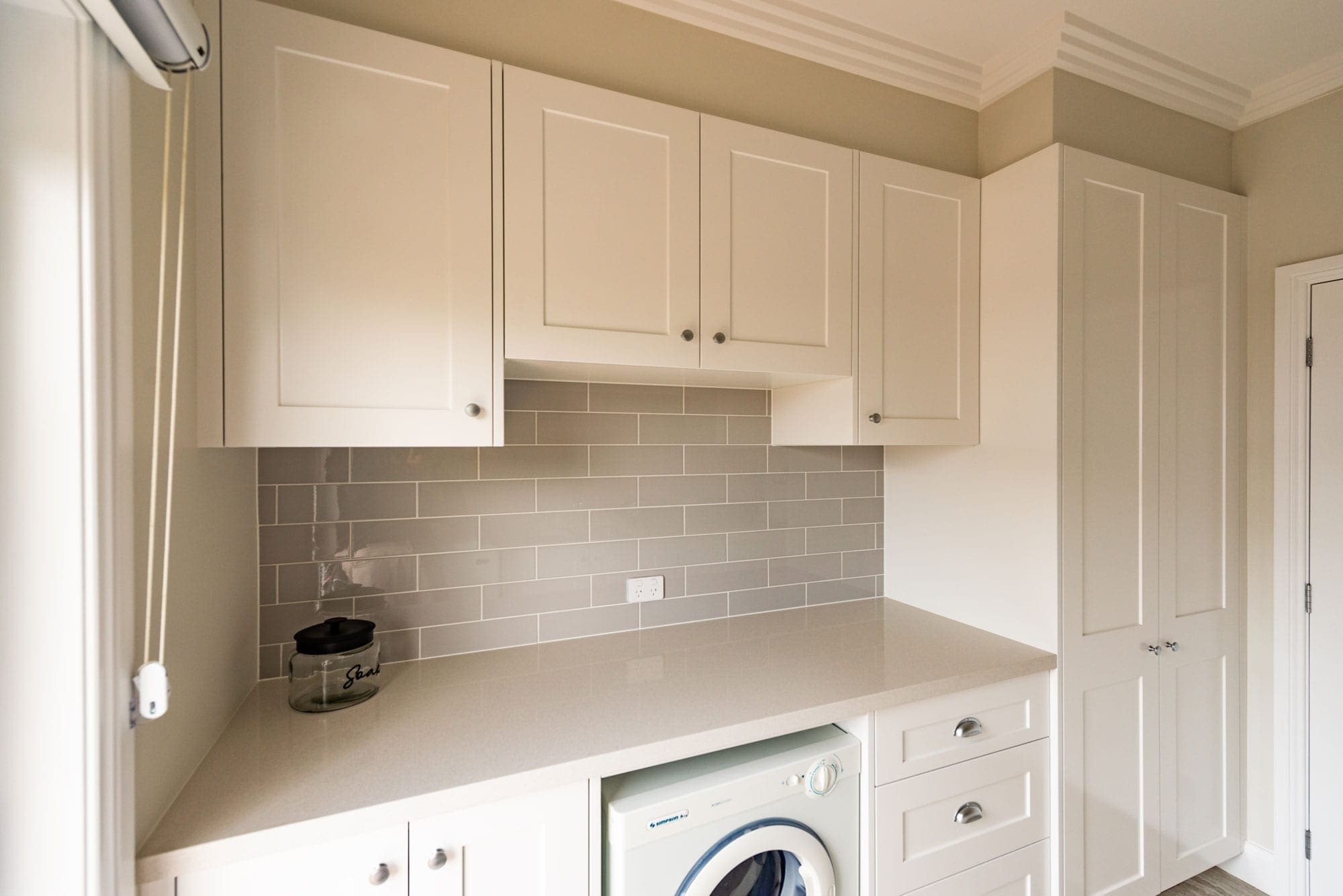
painted laundry cabinets white

What is the Difference Between 2Pac and Laminate?

This is the question we get asked most often.

2Pac Paint Laminate
Finish Seamless, spray-applied Bonded decorative sheet
Door profiles Any profile (flat, shaker, fluted) Flat only
Colour options Unlimited Set ranges
Repaintable Yes No
Appearance Premium, custom Clean, functional
Cost Higher More affordable
Repair Professional respray Door replacement


The bottom line: Laminate is a solid, practical choice, especially on a tighter budget. But if you want a truly custom, seamless look with profiled doors and unlimited colour choices, 2Pac is the premium option.

Want to dive deeper: read our blog about Polyurethane vs Melamine vs Laminate: Which Kitchen Cabinet Finish Is Best?
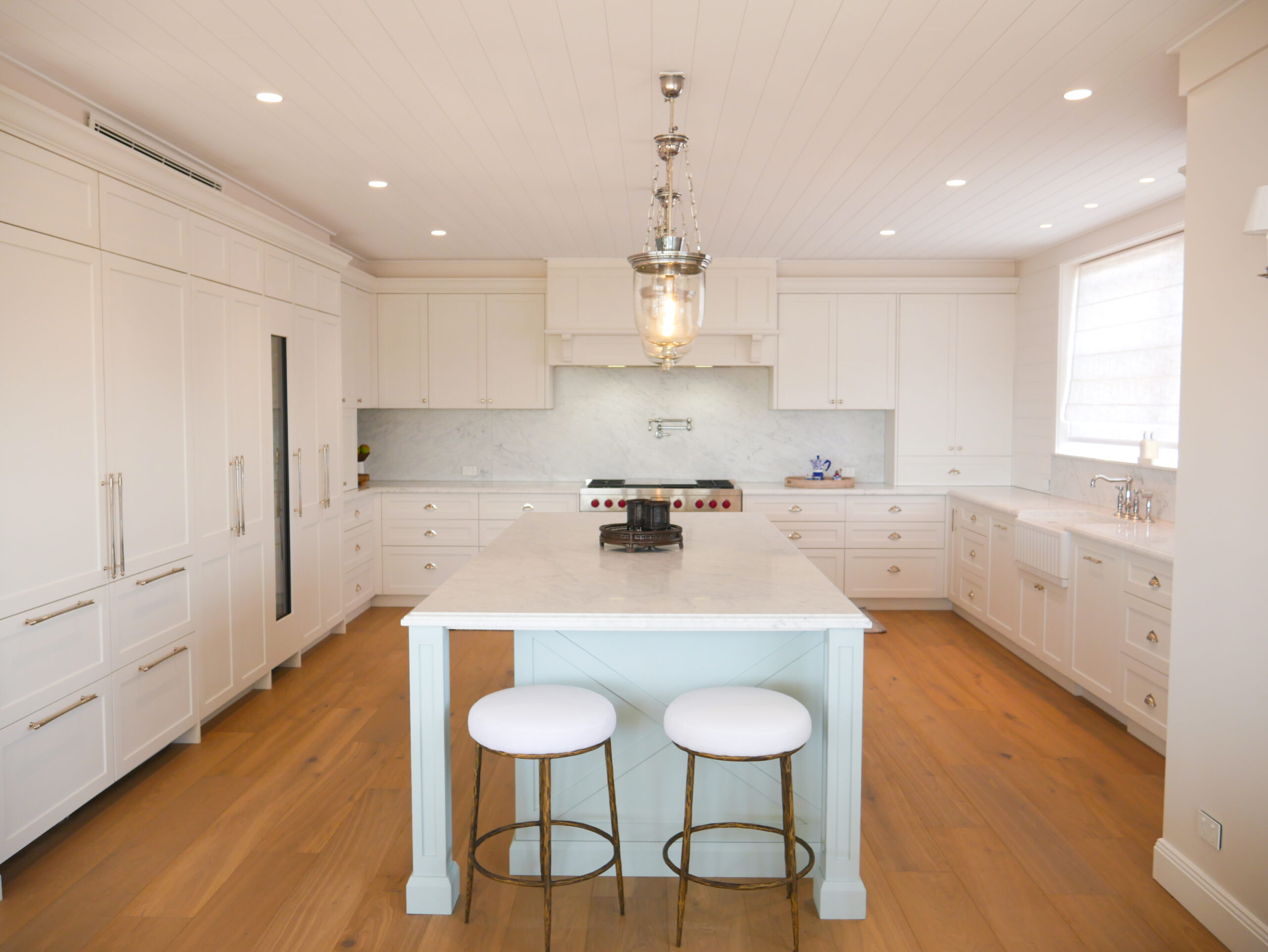
Where is 2Pac Paint Used?

2Pac polyurethane is the finish of choice across a wide range of residential and commercial applications:

  • Kitchen cabinets and doors
  • Bathroom vanities
  • Laundry cabinetry
  • Wardrobes and robes
  • Internal doors
  • Entertainment units
  • Shop fit-outs and retail joinery
  • Office joinery and reception desks
  • Wall panelling

Anywhere you need a surface that looks premium and holds up to daily use, 2Pac is the go-to.
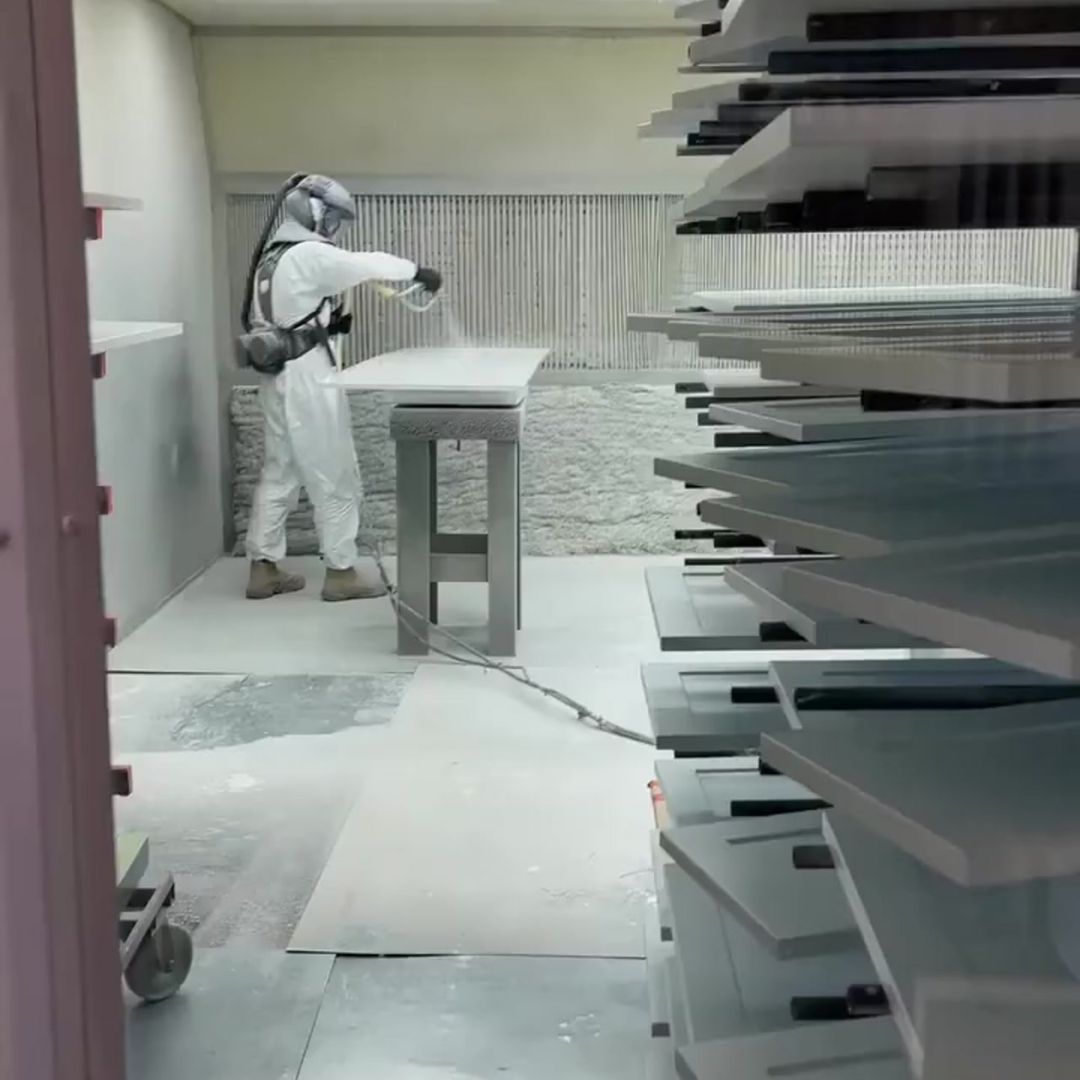
 

spray painting at highlands hand painting

Does 2Pac Paint Require Professional Application?

Yes — always.

This is non-negotiable. 2Pac paint requires:

  • Professional spray equipment (not rollers or brushes)
  • Precise mixing ratios: too much or too little hardener and the finish fails
  • A controlled spray booth environment (dust ruins the finish)
  • Correct drying and curing conditions
  • Full personal protective equipment including respirators (the isocyanate hardener is hazardous)

Trying to apply 2Pac yourself risks a finish that peels, bubbles, or simply doesn’t cure properly. The preparation stage alone, sanding, priming, sealing, is critical to the final result. Cut corners here and the best paint in the world won’t save you.
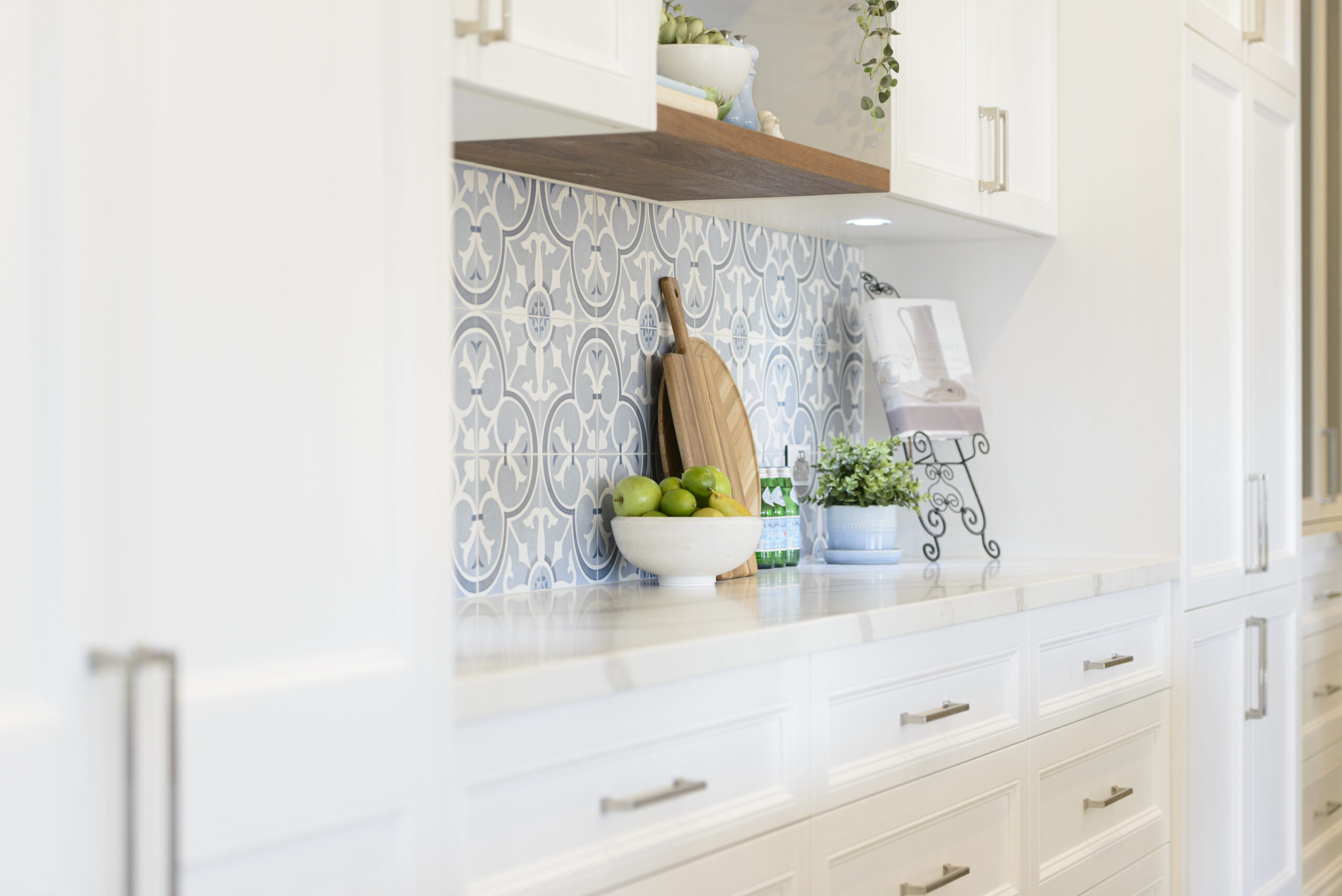


Hand painted cabinetry showing depth and texture in painted finish

Is 2Pac Paint Worth the Cost?

Let’s be direct: yes, for most people, renovating a kitchen they intend to keep for 10+ years.

2Pac kitchens cost more than laminate. The spray painting process, controlled environment, multi-coat application, and skilled labour all add to the price. But what you get in return is:

  • A finish that genuinely looks custom and seamless
  • Durability that outperforms every other painted option
  • Colour flexibility that no other system can match
  • A surface that can be resprayed and updated in the future

For families, design-conscious homeowners, and anyone building a forever home, 2Pac is the finish that makes sense long-term.
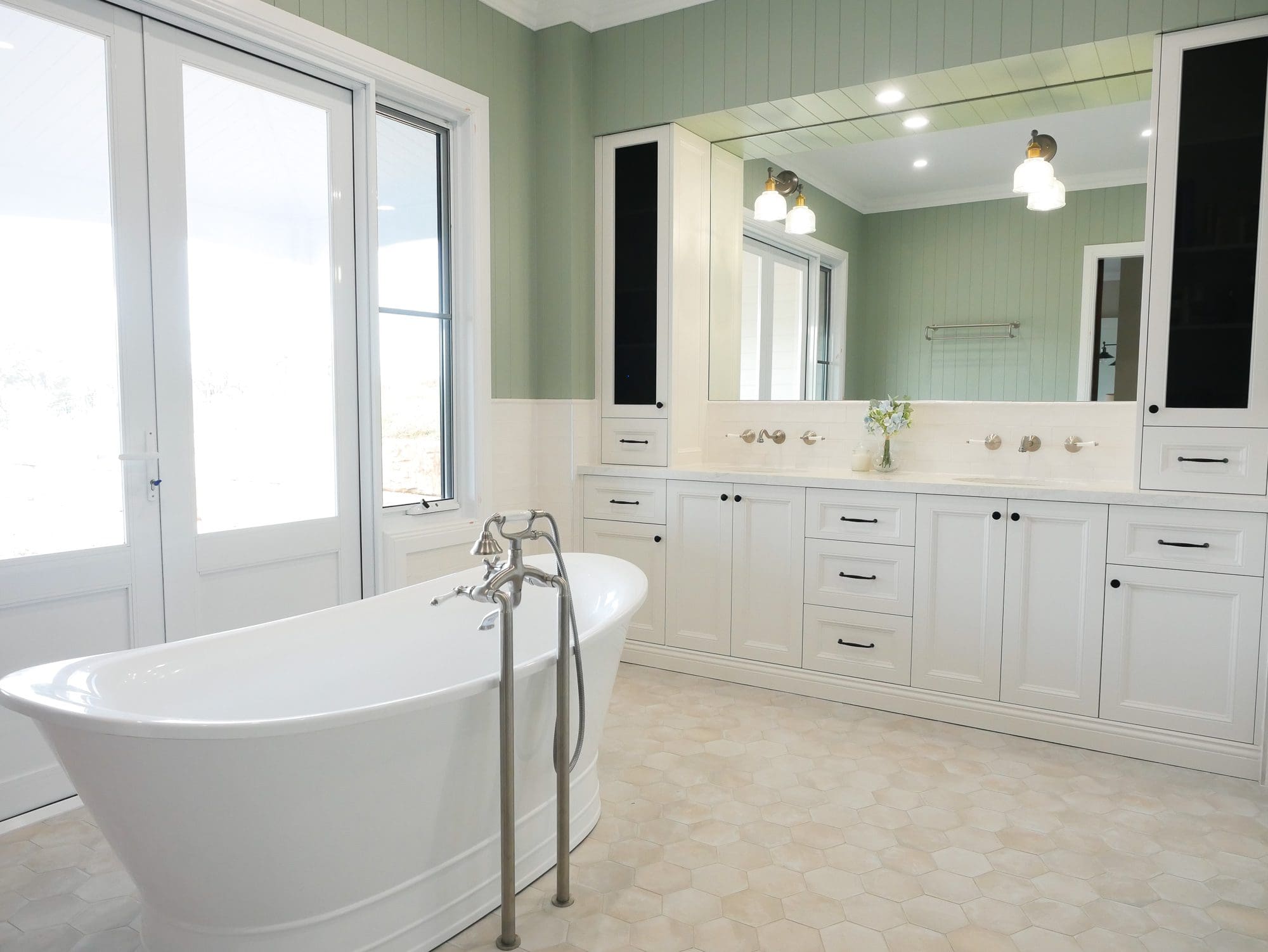
 

2 pak poly vanity

Frequently Asked Questions About 2Pac Paint

Is 2Pac paint the same as polyurethane paint?

Yes — 2Pac paint is a polyurethane paint system. The “2 pack” refers to the two-component mixing process (resin + hardener). You’ll hear both terms used interchangeably in the industry.

How long does 2Pac paint last?

When professionally applied to properly prepared cabinetry, 2Pac finishes typically last 10–15 years or more. At Highlands Hand Painting, we back our work with a 7-year warranty on paint and workmanship.

Is 2Pac paint waterproof?

2Pac is highly moisture-resistant, making it ideal for kitchens, bathrooms, and laundries. It’s not designed for full submersion, but it handles splashes, steam, and humidity extremely well.

Can 2Pac kitchen cabinets be repaired?

Minor chips and marks can often be spot-repaired or resprayed professionally. The result depends on the extent of the damage and how well the colour can be matched, a professional spray painter will advise after inspection.

Does 2Pac paint chip?

Like any painted surface, a heavy enough impact can chip 2Pac. But it is significantly more resistant to chipping than standard paint or vinyl wrap, particularly on edges, which is where most painted finishes fail first.

Can you paint over 2Pac cabinets with a different colour?

Yes. One of the advantages of 2Pac cabinetry over laminate is that it can be resprayed in a new colour down the track. This is a professional job requiring proper preparation and a full respray, but it’s entirely possible, giving your kitchen a second life without full replacement.

What is the difference between 2Pac, 2K, and two pack paint?

They’re all the same thing. 2Pac, 2K (used in the automotive industry), two pack, and two component paint all refer to the same two-part polyurethane coating system. The terminology varies by industry and region.

Is 2Pac paint available in any colour?

Virtually yes. 2Pac paint can be tinted and colour-matched to almost any colour from any major paint brand, or custom-mixed to match samples. Dark colours and very high gloss levels may affect the final price.

2Pac Kitchen Cabinet Painting in Sydney

At Highlands Hand Painting, our dedicated paint shop in Narellan, NSW allows us to create premium custom-painted joinery for homeowners, cabinet makers, shopfitters, and designers across Sydney.

We exclusively use BC Coatings, widely regarded as the number one polyurethane paint system in the Australian joinery industry and back every project with a 7-year warranty on paint and workmanship.

From modern matte kitchens to high-gloss cabinetry and everything in between, we specialise in durable 2Pac polyurethane finishes built for long-term performance.

Explore our recent projects to see our work, then contact us for a 2Pac cabinetry finish quote.
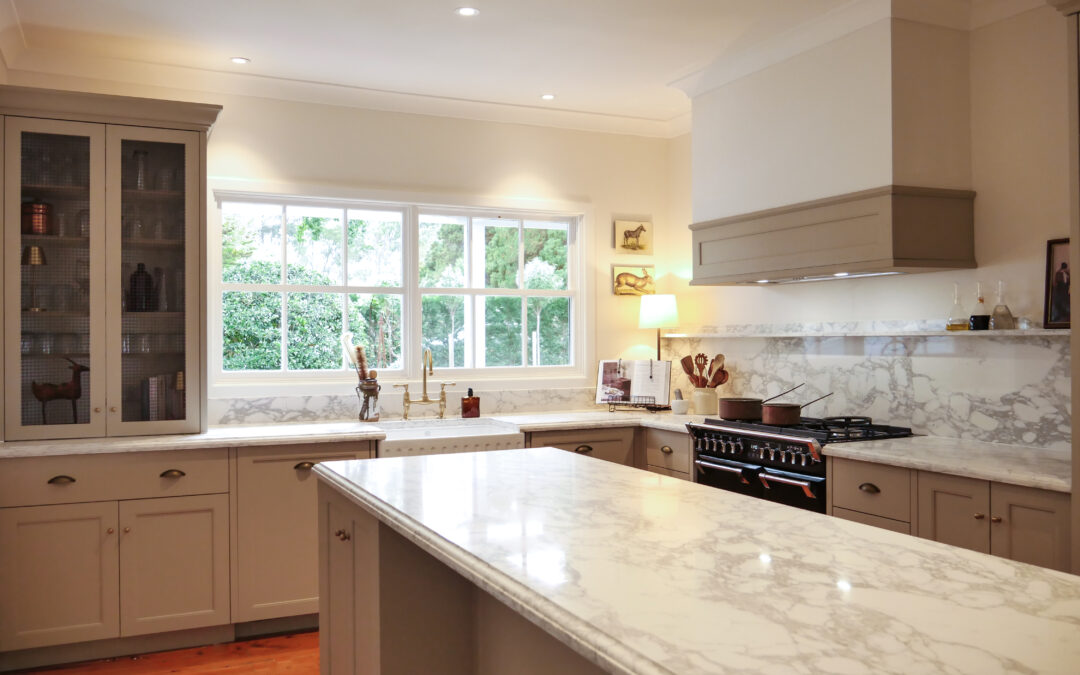
Top Kitchen Colour Schemes in Australia (2026 Guide)

Top Kitchen Colour Schemes in Australia (2026 Guide)

Top Kitchen Colour Schemes in Australia (2026 Guide)

Here in our paint factory, we see a lot of kitchens come through, every shade, every tone and every “it looked different in the showroom” moment. We see it all!

One thing we’ve learnt? Painted kitchen cabinets never look the same in every space.

That’s why we always encourage clients to take samples home. Seeing a colour on cabinetry, under your own lighting, morning sun, afternoon shadows, night-time downlights, makes all the difference when it comes to choosing the right kitchen colour scheme with confidence.

Because sometimes… we get an order for painting kitchen cabinets and think, “yep, that’s different.” And not always in a good way. This is where things get tricky, because once your order is placed, you don’t actually see it finished again until it arrives on site, ready for installation.

That’s why it’s important to take advantage of any review opportunities along the way. We arrange for colour sample approval before the final painting begins, which means you’ll have a chance to see and confirm your chosen colour under your own lighting before we proceed. If you’re at all unsure, this is the stage to make changes.

Because, unlike painting a wall, where you can quickly repaint if it’s not quite right, your kitchen cabinets are a much bigger commitment. Once they’re painted, they’re there to stay.

That’s why choosing the right kitchen colour scheme isn’t just about “I think this looks good”. It needs to be something you’ll still love long after the install is done.

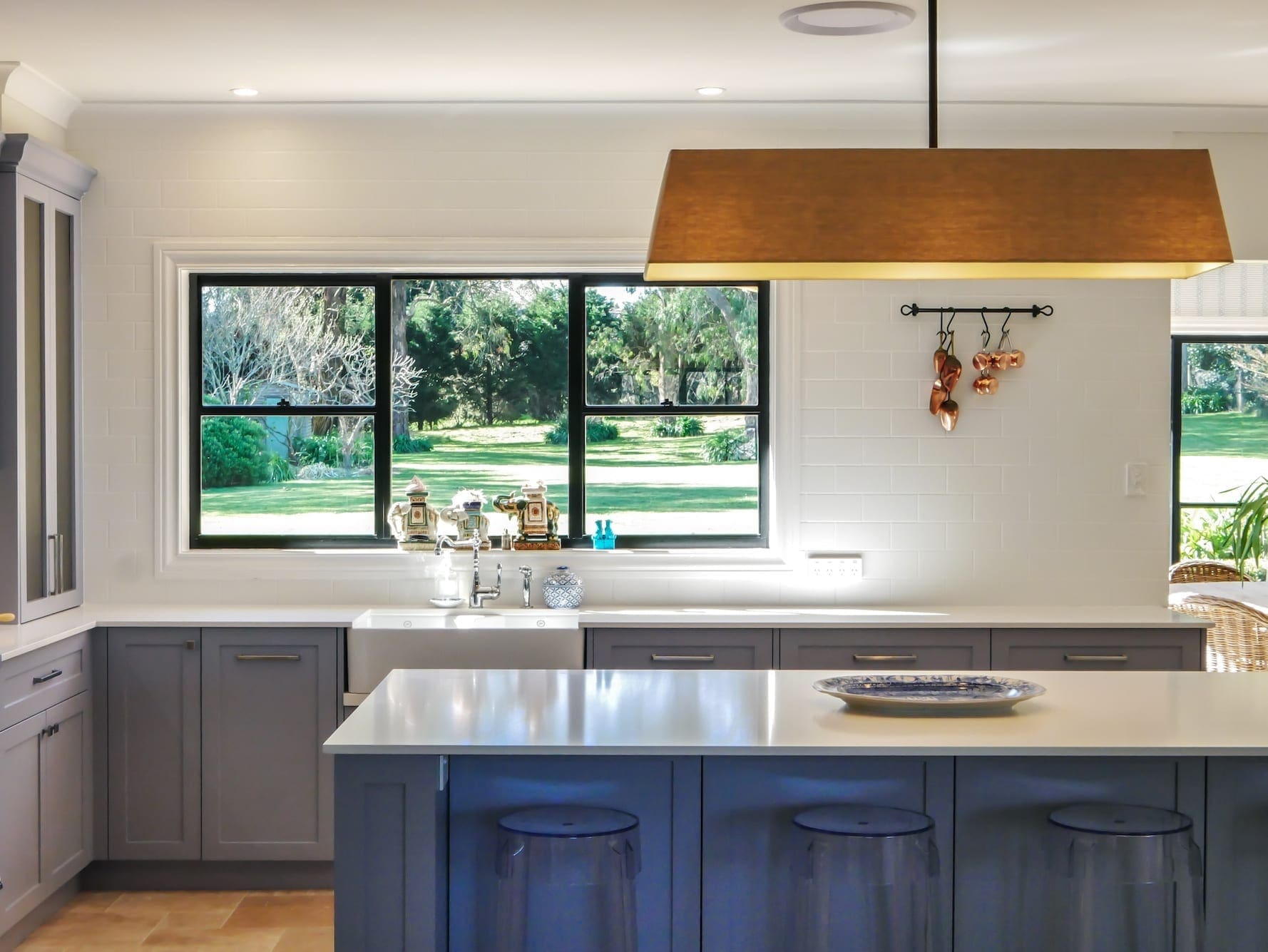
painted kitchen cabinets in blue shade with island and stone benchtop

How to Choose the Right Kitchen Cabinet Colours (Without Regret)


We get it: the options are endless, every sample looks good in isolation, Pinterest is full of inspiration, and suddenly what should be exciting starts to feel like a big decision you really don’t want to get wrong.

And honestly… that’s fair. Cabinets aren’t like cushions you can swap out when you get bored; they’re a long-term commitment.

Here’s what we always guide our clients through before they commit.

Consider the Size of Your Kitchen


Space changes everything.

In smaller kitchens, lighter colours work best. Think soft whites, warm neutrals, gentle greys. These colours help open the space up and make it feel bigger than it is. They reflect light, keep things feeling airy, and are a safe base to build from.

If you’ve got a larger kitchen, that’s where you can lean into deeper tones. Navy, charcoal, and even darker earthy shades can bring warmth and a more grounded, intimate feel without closing the space in.

A lot of the time, we’ll suggest starting light and layering from there, especially if you’re unsure. You can always introduce contrast through your island, benchtop, or splashback without committing your entire kitchen to a bold colour.


Think About Your Lighting (This One Catches People Out)


Lighting is probably the biggest reason colours go wrong.

A colour that looks perfect in a showroom (or even in our factory) can feel completely different once it’s in your home. Natural light, shadows, and even the direction your windows face will all change how that colour reads.

Lots of natural light? You’ve got more flexibility to go darker.

Low light or enclosed space? Lighter tones will help lift everything.

Then there’s artificial lighting:

Warm lighting softens and enhances earthy tones and timbers.

Cooler lighting works better with crisp whites and greys.

This is exactly why we push samples so much. You need to see it in your space, not ours.


Match the Colour to Your Home (Not Just the Trend)


Trends come and go, but your home’s style stays.

If your space leans modern and minimal, cleaner palettes like whites, soft greys, or darker contrasts tend to work well. If your home has more warmth or character, those softer tones, creams, sage greens, taupes usually sit more naturally.

We always say: your kitchen doesn’t have to be neutral to be timeless.

It just has to feel like it belongs in your home.


Don’t Be Afraid… But Be Smart About It


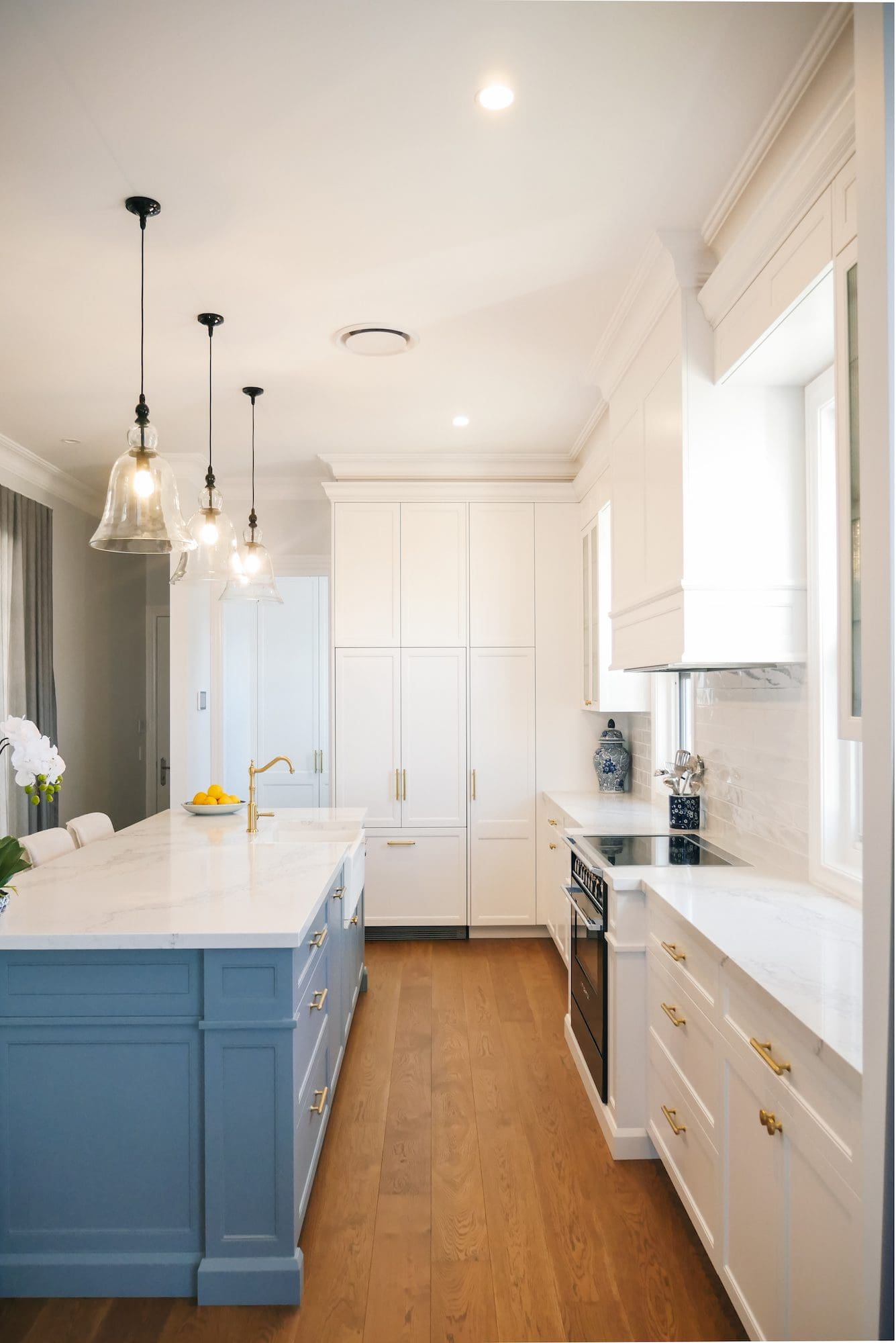
Some of the best kitchens we’ve seen are the ones where clients took a bit of a risk. For example, in a recent project, one client chose a light blue for their island cabinetry while keeping the surrounding cabinets neutral, resulting in a striking focal point that enhanced the overall aesthetic of their kitchen.

A deeper island colour. Darker lower cabinets. Something a little different.

But there’s a difference between intentional and impulsive.

If you’re unsure, don’t go all-in straight away. Use colour in areas that can stand alone, like an island or feature cabinetry, while keeping the rest more neutral. It gives you personality without the risk of overwhelming the space.


Use a Simple Rule to Keep It Balanced


When everything starts to feel like too many choices, we bring it back to something simple:

  • 60% main colour (usually your cabinetry)
  • 30% secondary (benchtops, splashbacks)
  • 10% accents (handles, tapware, stools, lighting)

It’s not a strict rule, but it helps stop things from feeling either too flat or too chaotic.

Don’t Overlook the Finish (It Changes More Than You Think)


One thing that often gets missed when choosing a kitchen colour scheme is the finish, or more specifically, the sheen level.

The same colour can look completely different depending on whether it’s matte, satin, or gloss. It can appear softer, deeper, lighter, or even slightly different in tone depending on how it reflects light throughout the day.

We see this all the time in the factory: clients choose a colour they love, but once the finish is applied, it takes on a whole new look.

To learn more about Paint Sheen selections, explore our blog Paint Sheen Levels for kitchen cabinets.

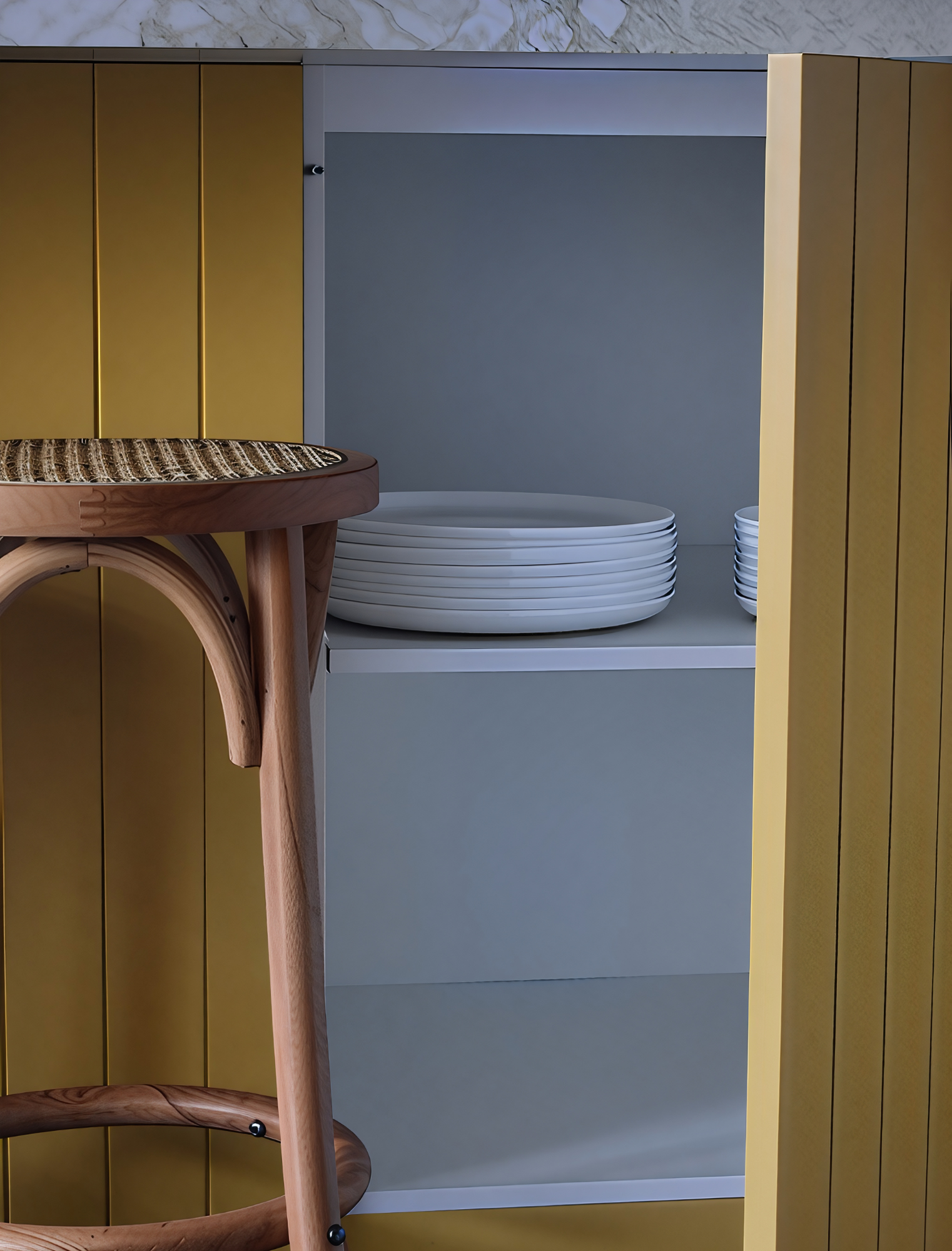
ginger crunch painted cabinet island with hidden storage.
blue painted joinery kitchen

Our top 5 Kitchen Colour Schemes

Here are the top 5 kitchen colour schemes dominating Australian homes right now, inspired by real projects we’ve helped paint.


1. Soft Warm Whites & Light Neutrals (Timeless with a Twist)

Soft Warm Whites & Light Neutrals Kitchen Colour Scheme

Soft whites are still a favourite! But not the harsh, clinical whites of the past. Today’s kitchens lean into warmer whites, greiges, and subtle neutral tones that feel inviting and lived-in.

Why it works:

  • Makes spaces feel larger and brighter
  • Pairs beautifully with timber accents and stone
  • Works in both modern and classic homes

Best paired with:

  • Oak or walnut accents
  • Brushed brass or soft gold handles
  • Matte or satin polyurethane finishes

Is this hand-painted? Yes, and this is where a hand-painted finish really shines, giving subtle brush texture and depth you simply can’t achieve with flat factory finishes. Explore our service hand-painted finishes.

2. Deep Navy & Dark Statement Kitchens (Luxury Meets Function)

Navy kitchen cabinets Australia featured with timber island

Dark kitchens are making a serious comeback, especially navy, charcoal, and near-black tones. These colours create a bold, high-end feel while still being practical.

Why it works:

  • Adds depth and contrast in open-plan homes
  • Hides wear and tear better than lighter colours
  • Creates a designer, architectural look

Best paired with:

  • Timber benchtops or feature islands
  • Brass or gold hardware
  • Under-cabinet lighting for contrast

Dark tones like navy are now considered timeless rather than trendy, especially when layered with texture.

A polyurethane finish is key here; it delivers durability, smoothness, and that refined, luxe finish darker colours demand. Explore our service Polyurthane finishes.

3. Muted Greens (The New Australian Favourite)

muted green kitchen colour scheme with timber elements

Green has quickly become one of the most popular kitchen colours across Australia, especially sage, olive, and eucalyptus tones.

Why it works:

  • Feels calm, natural, and connected to the outdoors
  • Complements timber, stone, and earthy textures
  • Adds colour without overwhelming the space

Best paired with:

  • Stone benchtops with soft veining
  • Natural timber shelving
  • Aged brass or bronze tapware

Muted greens are part of the broader move toward earthy, grounding palettes in modern kitchens.

4. Two-Tone Kitchens (Balance & Contrast)

Two-tone kitchens are everywhere and for good reason. Combining colours (like white uppers with darker lowers or a feature island) creates visual interest without overpowering the space.

Popular combinations:

  • White + timber
  • Navy + white
  • Green + warm neutral
  • Cream + natural oak

Why it works:

  • Breaks up large cabinetry runs
  • Highlights key features like islands
  • Adds a custom, designer feel

Mixing colours and materials is a major shift away from “match everything” kitchens. This is where a skilled joinery painter is essential, ensuring colour consistency and a flawless finish across multiple tones.


5. Earthy Browns, Taupes & Clay Tones (The Rise of Warm Minimalism)

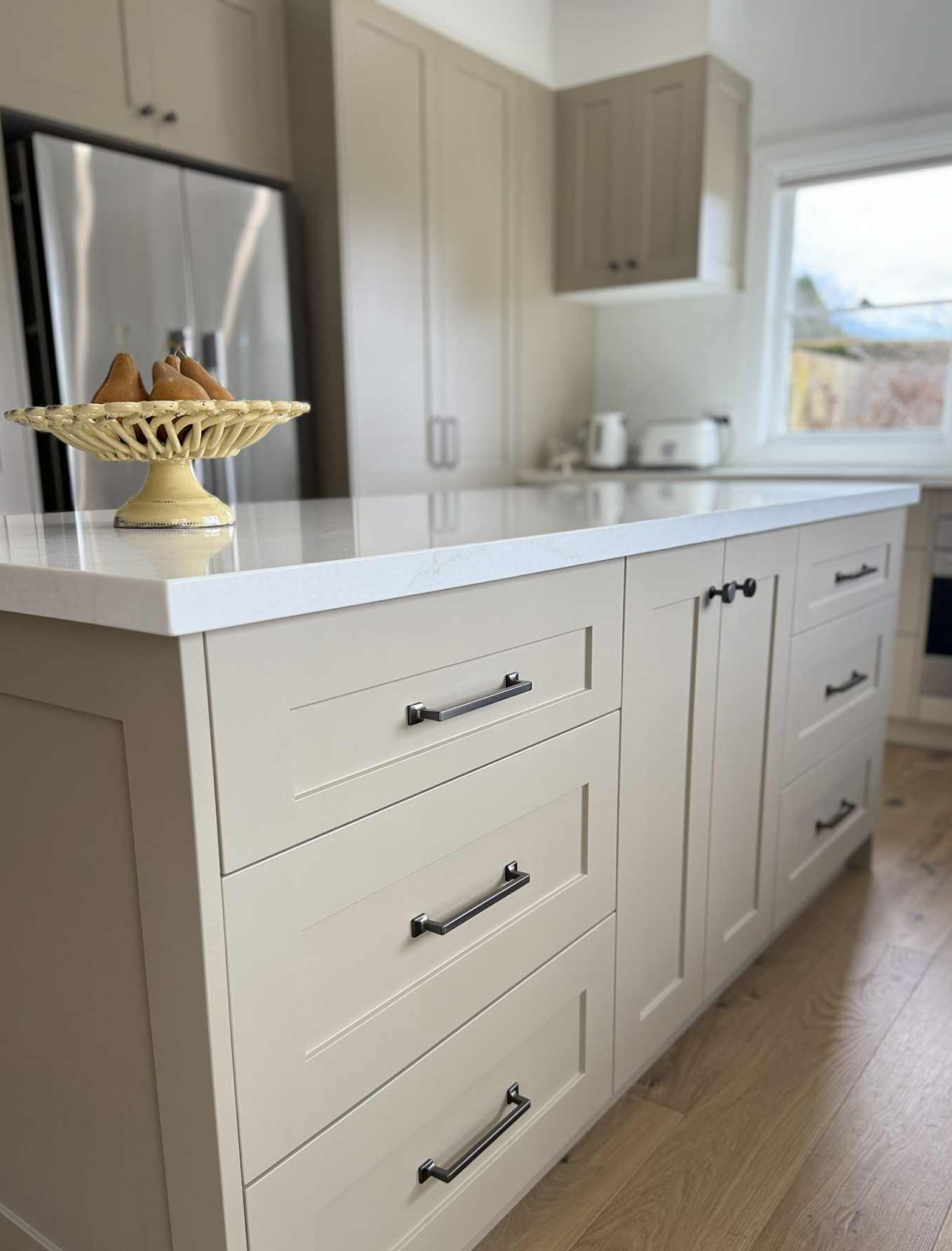
Classic Country Kitchen with earthy colour design.

Earth-inspired tones like taupe, mushroom, terracotta, and soft browns are redefining modern kitchens.

Why it works:

  • Warms up minimalist designs
  • Feels natural and calming
  • Ages beautifully over time

Best paired with:

  • Textured stone or porcelain benchtops
  • Timber flooring
  • Soft matte finishes

These tones reflect a broader trend toward warm, inviting kitchens over cold, showroom-style spaces.

In a hand-painted kitchen like this one, the colours gain depth and variation, creating a truly bespoke finish.


The Bottom Line: Kitchen Colour Scheme


At the end of the day, the best kitchen colour scheme isn’t the trendiest one. It’s the one you still love in five, ten, fifteen years.

Take your time. Look at samples in your own space. Trust how it feels, not just how it looks online.

Because once it’s painted… It’s staying.


Final Thoughts: Selecting the right Cabinet Painter


We work closely with kitchen manufacturers, builders, and designers across a wide range of projects, so we understand how many moving parts go into getting it right. Our goal is to support that process, helping guide colour decisions and ensuring you feel confident in your paint selection before it ever reaches production.
Because once it does, it’s all about execution.

Whether it’s a durable polyurethane finish or a custom hand-painted kitchen, the finish needs to be just as considered as the colour itself. That’s where experience matters! Proper preparation, consistent application, and attention to detail to ensure there are no paint runs, no missed areas, and a result that looks as good up close as it does across the room.

The right colour will make your kitchen look good.

The right finish will make it last and feel complete.

To grab a quote, don’t hesitate to fill in the form on our contact us page, and we’ll be in touch!

Paint Sheen Levels for Kitchen Cabinets: Matte vs Satin vs Gloss

Paint Sheen Levels for Kitchen Cabinets: Matte vs Satin vs Gloss

Paint Sheen Levels for Kitchen Cabinets: Matte vs Satin vs Gloss

Choosing the right paint colour for your kitchen cabinets is exciting, but there’s another decision that’s just as important: paint sheen (sometimes called paint finish by kitchen designers). While most homeowners focus on colour, the sheen you choose, whether matte, satin, semi-gloss or high-gloss, plays a huge role in how your cabinets look, feel, and stand up to everyday life.

We often have clients walk into our showroom feeling excited (and rightly proud!) after choosing their cabinet paint colour. Then we ask one simple question, “What paint sheen are you thinking?” and that excitement is usually followed by a pause… and a very familiar puzzled look.

And if you’re holding up that little cardboard paint sample thinking, “Yep, this is exactly the colour I want,” the final result can sometimes come as a surprise. That’s because paint sheen plays a much bigger role than most people realise, influencing how the colour appears, how light reflects, and how your kitchen performs day to day.

So, let’s open your eyes to the world of paint sheen, from kitchen cabinets in satin finishes to high-gloss and matte. Let’s dive in and explore what works best for your space.


white satin painted kitchen finish
white matt painted kitchen finish
white high gloss painted kitchen finish

What is a Paint Sheen?

Simply put, sheen is how shiny (or not shiny) your paint finish is, and how much light it reflects once it’s on the surface. It’s one of those choices that doesn’t always get much attention, but it can make a big difference to how your space looks and feels.

When choosing a paint sheen, it honestly helps to think about how your kitchen is actually used day to day. Kitchens, cabinets and doors cop a lot of action. From fingerprints and splashes to general wear and tear. So it’s important to choose a finish that’s durable, easy to clean and doesn’t leave streaks.

Which Sheen is Most Common for Kitchen Cabinets?

Satin and semi-gloss finishes are so popular for kitchen cabinets. They’re tough enough to handle everyday mess, resist staining, and can be wiped down without much effort. Lower-sheen finishes like matte can create a softer, more relaxed look, which many people love, but they do tend to show marks more easily and may need more touch-ups over time.

High-gloss finishes sit at the other end of the spectrum. They’re extremely durable and very easy to clean, great for busy or moisture-prone spaces. But they can sometimes look a little too shiny and are more likely to highlight dents, scratches and surface imperfections.

Getting the sheen right means your paintwork won’t just look beautiful on day one; it’ll continue to look great as life happens.

Satin: The most popular choice, especially for modern and traditional kitchens alike. It offers a soft, subtle sheen, balances style and practicality, and is durable enough for daily use while being easy to clean.

Semi-Gloss: Common in high-traffic or busy kitchens, it’s shinier and more reflective, making it very durable and easy to wipe down, though it can show imperfections more readily.

Matte: Less common for kitchen cabinets because it’s harder to clean and shows grease or marks more easily. It’s usually chosen for a soft, contemporary look in low-traffic areas.

High-Gloss: Use to be a very popular choice for luxury or modern kitchens that wanted a very sleek, reflective finish, but less common overall due to its tendency to highlight imperfections and require careful maintenance.

Quick takeaway: For most homeowners, satin is the sweet spot. Stylish, practical, and resilient enough for everyday kitchen life.

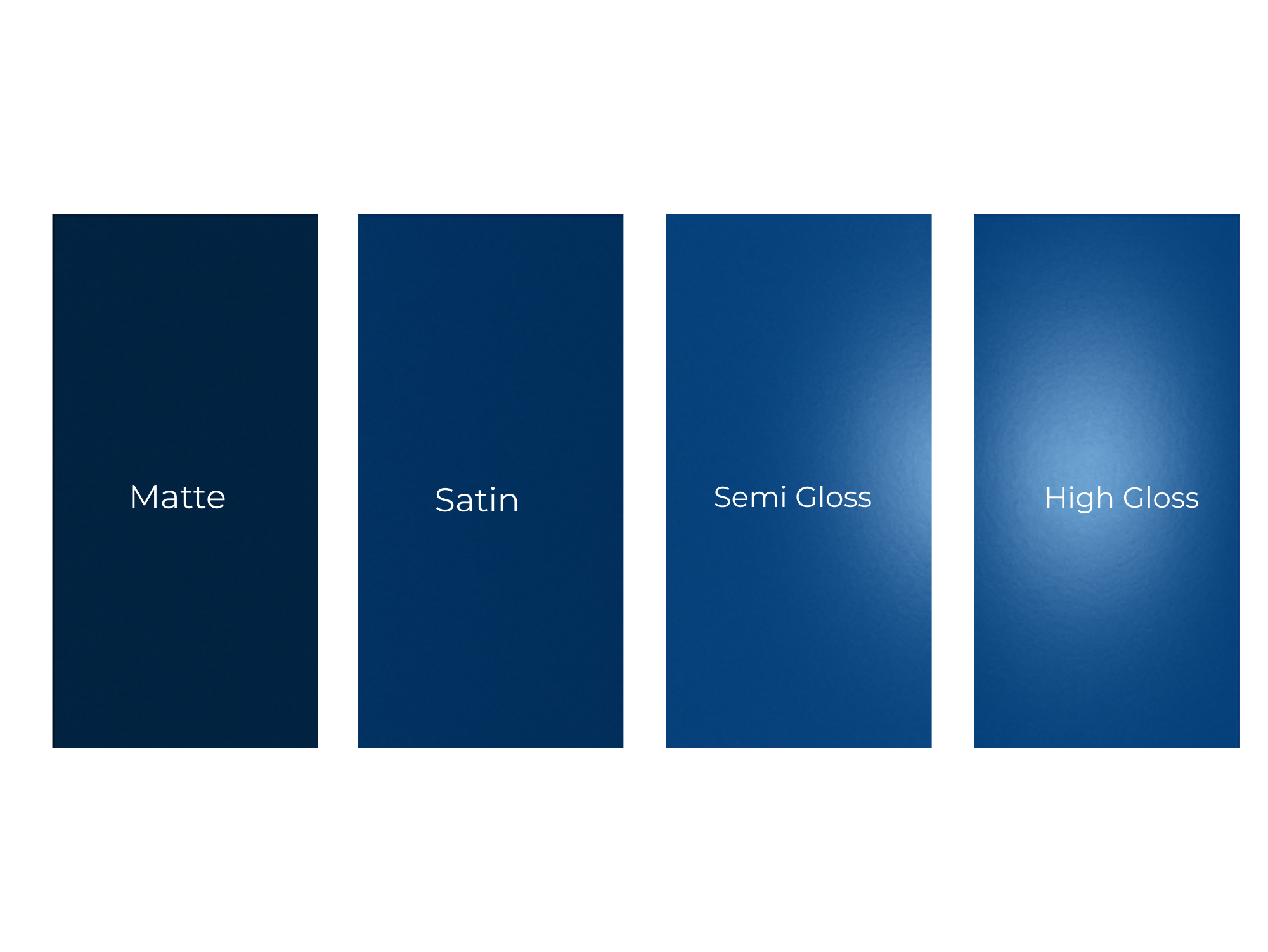
paint sheen levels chart in blue paint

Can a Sheen Level Affect Colour?

Absolutely. Paint sheen doesn’t just affect how shiny a surface looks; it also changes how the colour is perceived. Higher sheen finishes reflect more light, which can make colours appear brighter or lighter once they’re applied. Lower sheen and matte finishes absorb more light, often giving the same colour a deeper, softer appearance.

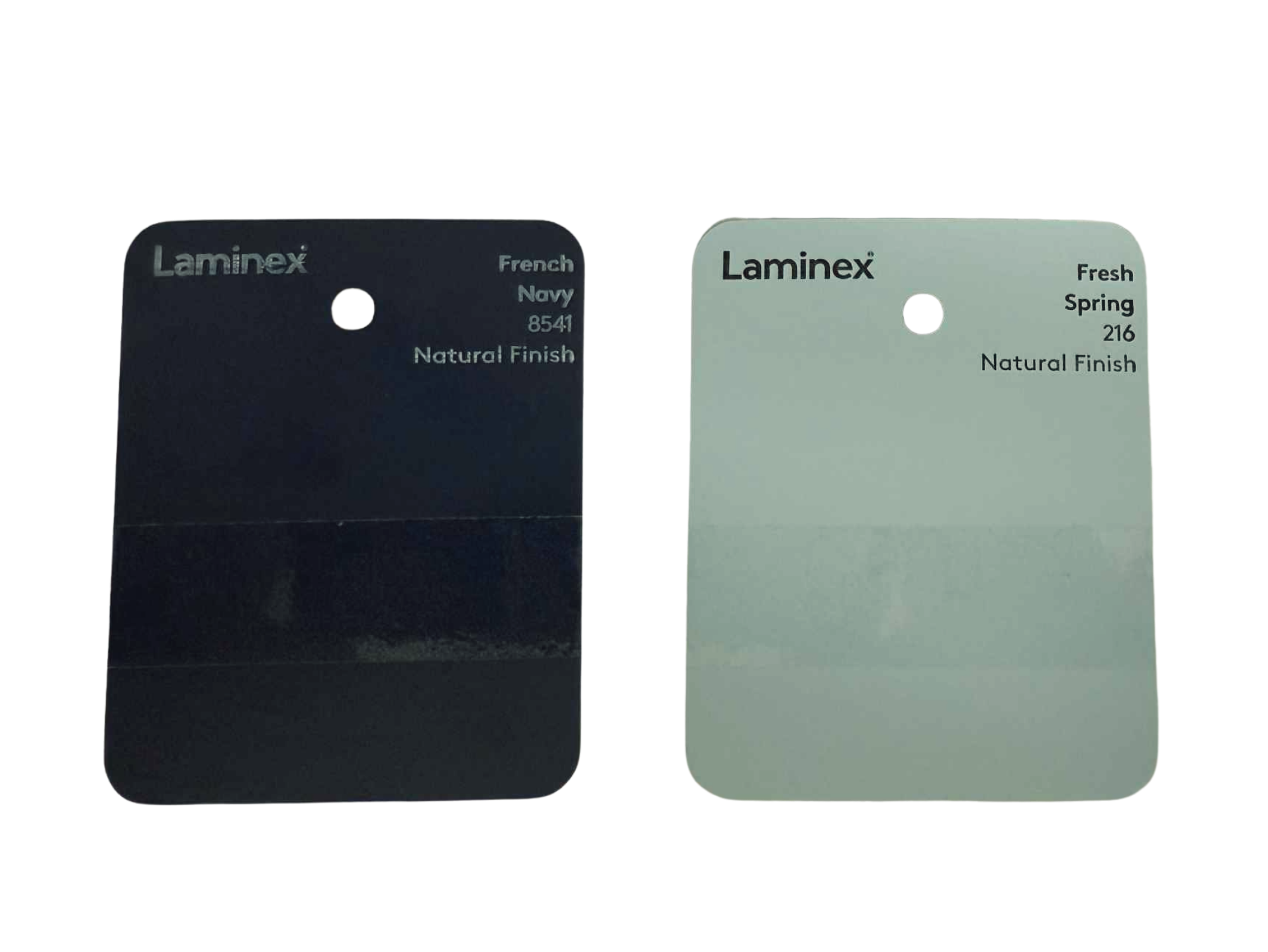
Here’s something many people don’t realise: that cardboard paint swatch you bring home from the paint shop isn’t showing you the full picture. Paint behaves very differently on smooth cabinetry than it does on cardboard. If you want a quick way to see how sheen might change your colour, try this simple trick. Place a layer or two of clear sticky tape over your swatch. The added shine helps mimic how the colour may look once applied to cabinets with a higher sheen finish.

testing the sheen level with clear stick tape on paint sample card

For the most accurate result, we always recommend testing your chosen colour directly on the surface it will be painted or requesting a sample from us if we’re doing your paint work. A small test area on your cabinetry can save a lot of guesswork and ensure you’re completely happy before the full project begins.

What are the Levels of Paint Sheen?

If paint sheen is starting to feel a little overwhelming, you’re not alone. This is one of the most common points of confusion we see with kitchen cabinet painting.

To make things easier, we’ve broken down the most common paint sheen levels for kitchen cabinets below. This table shows how each sheen looks, how easy it is to clean, and where it works best, so you can quickly compare your options and feel confident in your choice.

Gloss vs Semi-Gloss vs Satin vs Matte: Key Differences Explained

Matte (Flat)

0–10%

Soft, non-shiny finish that absorbs light and gives a muted, modern look

Clean gently with a soft damp cloth and mild soap. Avoid scrubbing or harsh cleaners.

Not reflective

Contemporary kitchens, feature cabinetry, low-traffic areas

Shows fingerprints and grease more easily. Less durable for busy family kitchens.

Satin (Low Sheen)

25–40%

Smooth finish with a subtle glow — not shiny, but not flat

Easy to wipe clean with a soft cloth and mild soapy water

Slightly reflective

Most kitchen cabinets (modern and traditional)

Minor surface imperfections may show under certain lighting

Semi-Gloss

40–70%

Noticeably shiny and reflective, highlighting details and profiles

Very easy to clean. Handles regular wiping without damage

Reflective

High-traffic kitchens, detailed cabinetry, busy households

Can highlight dents, joins and surface flaws if prep isn’t perfect

High-Gloss

70–100%

Highly polished, mirror-like finish that reflects lots of light

Extremely easy to clean using a microfiber cloth. Requires gentle care to avoid swirl marks

Very reflective

Modern or statement kitchens wanting a sleek, bold look

Shows every imperfection. Needs professional prep and application

spray painting room

Expert Advice for the Perfect Kitchen Cabinet Finish

Choosing the right paint sheen can completely transform your kitchen cabinets — in both style and durability. Whether you want the soft elegance of matte, the balanced practicality of satin, or the sleek high-gloss, our team at Highlands Hand Painting is here to guide you.

As your Sydney kitchen painting experts, we’ll help you select the perfect finish and ensure your cabinets stay beautiful and easy to maintain for years. First, explore our gallery, where you can visually see many different paint sheen selections for cabinets. Then contact us to discuss your project and get expert advice on the ideal paint sheen for your kitchen cabinets.

Polyurethane: Our Favourite Kitchen Cabinets Finish

Polyurethane: Our Favourite Kitchen Cabinets Finish

Best Kitchen Cabinet Finish? Polyurethane, Laminate or Melamine Compared

Choosing the right finish for your kitchen cabinets is super important! It not only affects the overall look of your kitchen but also how well it stands up over time. In Australia, there are three popular options to consider: polyurethane, melamine, and laminate. At first glance, they might seem quite similar, but when you take a closer look, you’ll notice some big differences in their durability, colour choices, maintenance, and lifespan.

This guide is here to help you navigate through the options by comparing polyurethane, laminate, and melamine in detail. Plus, we’ll share why we believe polyurethane is the top choice for modern kitchens. Let’s dive in!

What Is a Polyurethane Cabinet Finish?

Polyurethane is a fantastic protective coating that gets sprayed onto cabinets, giving them a smooth and durable finish. Here’s why it’s such a great choice:

✔️ It creates a sleek, seamless appearance
✔️ Cleaning is a breeze
✔️ It’s tough against UV rays, chips, and scratches
✔️ Plus, you can have it in any custom colour you like!


Many of our clients across Sydney and beyond love using polyurethane in their premium kitchens, and it’s easy to see why. It not only offers incredible flexibility but also lasts longer than laminate and melamine. Imagine a contemporary open-plan kitchen filled with sunlight – polyurethane not only enhances the modern design but also stays vibrant, resisting fading over time. Its versatility makes it easy to match with any decor style, whether you want a bold feature wall or a subtle touch on the ceiling. With polyurethane, you can achieve a beautifully cohesive and stylish look in your home!

A modern coffee nook painted in Polyurethane Black Cockatoo, featuring sleek cabinetry, a matte black finish, and a stylish, built-in coffee station.

Polyurethane vs Melamine vs Laminate: Which Kitchen Cabinet Finish Is Best?

A good kitchen finish should be durable, resist heat, be easy to clean, and look great. Let’s compare the main features of polyurethane, melamine, and laminate cabinets to see their strengths and weaknesses.

 Kitchen Cabinet Finish Comparison Table

Feature

Polyurethane

Laminate

Melamine

Colour Range

Unlimited custom colours; perfect for colour-matching

Moderate range

More limited

Finish Types

Matt, satin, semi-gloss, high gloss

Gloss/matt

Gloss/matt

Durability

Excellent

Moderate

Moderate

UV Resistance

High UV protection

Low

Low

Edging

No exposed edges

Exposed edges can peel

Exposed edges can peel

Detailing

Ideal for Shaker, V-groove & detailed profiles

Limited by edging

Limited by edging

Repairability

Easy to colour-match & repair

Difficult

Difficult

Best For

Premium, custom kitchens

Budget kitchens

Budget/volume builds

ginger crunch painted cabinet island with hidden storage.
A modern black and white kitchen featuring sleek laminate cabinetry, contrasting light and dark finishes, and clean, minimalist design elements.
melamine kitchen two tones with white island and melamine kitchen cabinets in timber look finish.

Colour Range: Polyurethane Offers Unlimited Possibilities

Polyurethane custom colour kitchen cabinets Laminate Kitchen Cabinets

Melamine Kitchen Cabinets

As a painted finish, polyurethane gives you access to an unlimited colour palette, including:

  • Custom colour-matches
  • Soft neutrals
  • Deep tones
  • Designer colours
  • Two-tone combinations

This is ideal for renovations where you want to match existing trim, walls or joinery.

Laminate provides more colours and patterns than melamine but still cannot match the versatility of a painted polyurethane finish. Melamine colours are limited to what suppliers offer. You have choices from well-known brands such as Laminex, Polytec, and Wilsonart, giving you a variety to choose from, though it lacks the creativity that polyurethane provides.
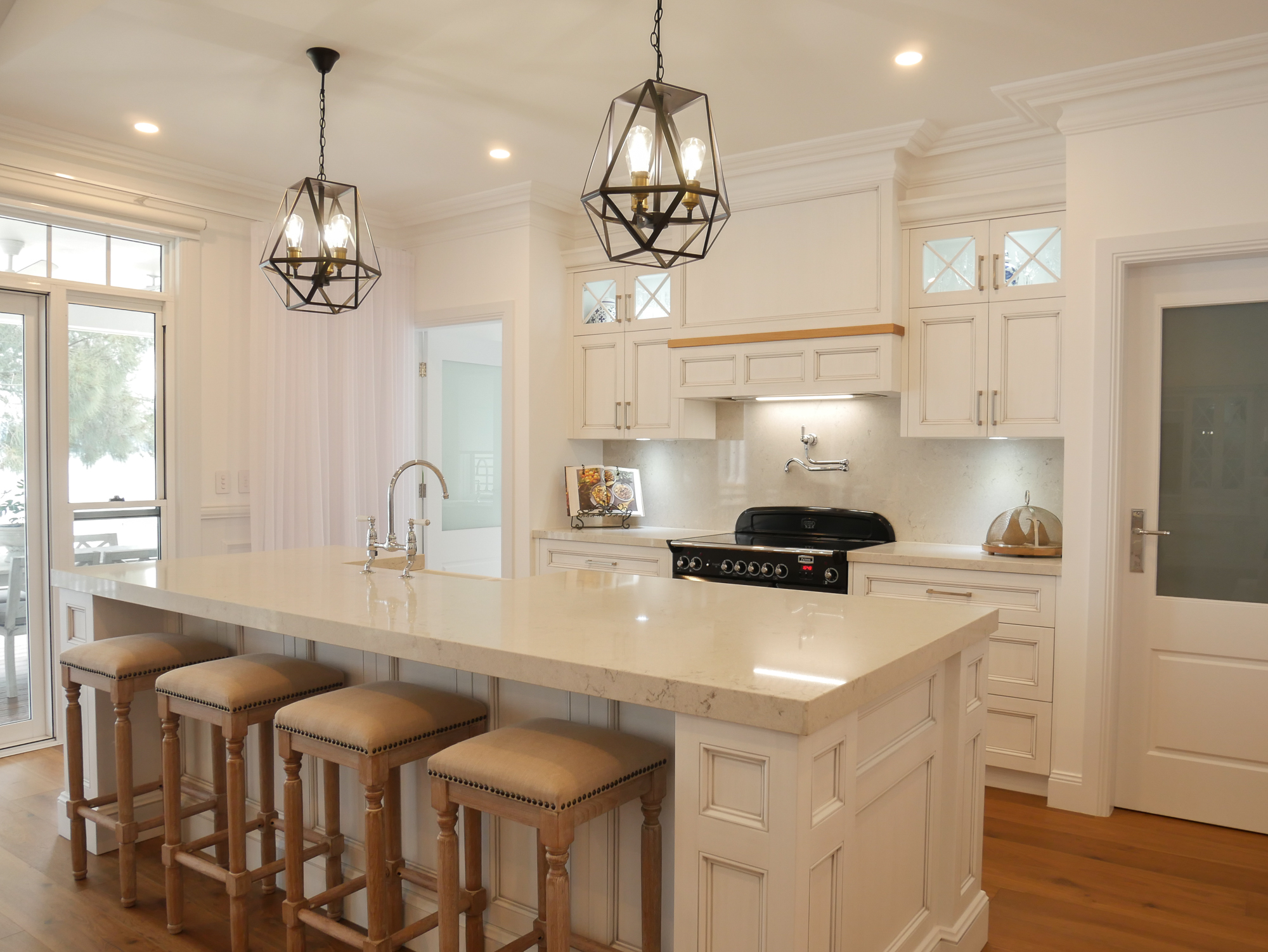
Hamptons-style cabinetry painted in Resene Triple Bison Hide. A warm neutral tone that creates a calm and welcoming atmosphere. The design is elevated with a YDL Stone Vene Rose benchtop and matching splashback, complemented by sleek stainless steel appliances and inviting seating.

Visual Appeal: Premium Look and Feel

Polyurethane Kitchen Cabinets

Melamine & Laminate Cabinets

Polyurethane is available in:

  • Matt
  • Satin
  • Semi-gloss
  • High gloss

Overall, polyurethane delivers a sleek, modern and seamless look that suits both contemporary and classic kitchens.

Melamine and laminate do come in gloss and matte, but the overall appearance lacks the depth, smoothness and luxury of a painted finish.

Learn more about which paint finish works best for your kitchen style by exploring painted finishes.

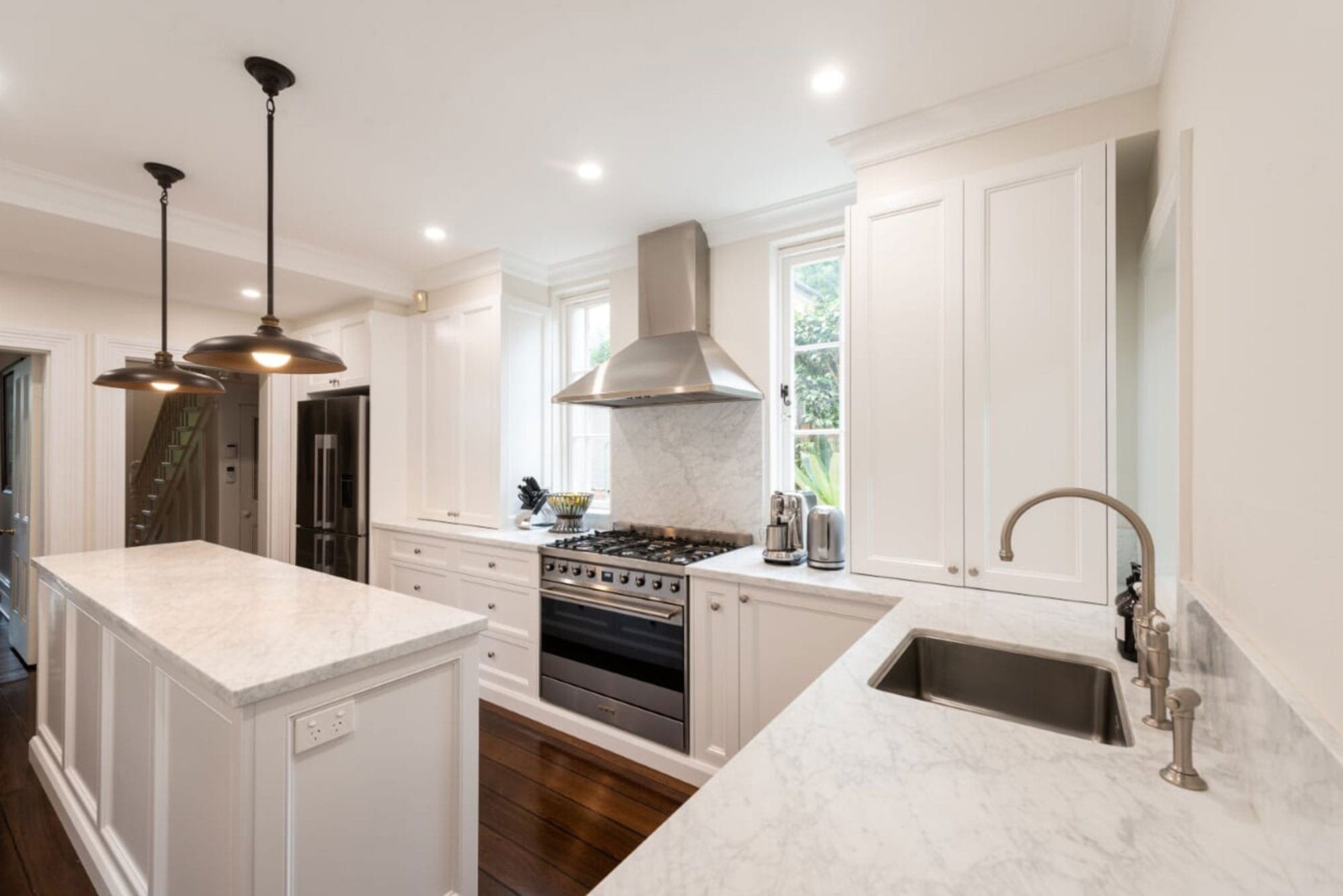
White classic kitchen with stainless steel appliances suited island.

Adhesion & Cabinet Design: Polyurethane Wins Easily

Polyurethane

Melamine & Laminate 

Because polyurethane is sprayed on, it can adhere to:


  • Curved edges.
  • V-groove panels
  • Shaker profiles
  • Detailed mouldings
  • Routed doors
  • No exposed edges

Both are sheet materials adhered to a board. This means:

  • Exposed edges must be covered
  • Edging can peel
  • Detailed profiles are not suitable
  • Classic styles like French Provincial are difficult to execute cleanly

Note: This is one of the biggest limitations of melamine and laminate.

polyurethane kitchen island in blue surrounded by white cabinets with gold handles.

Durability: Polyurethane Outperforms Every Time

Polyurethane Kitchen Finish

Melamine & Laminate Finish

Polyurethane is extremely durable thanks to its:


  • Hard-wearing, chip-resistant coating
  • UV resistance (important for sunny kitchens)
  • Strong adhesion
  • Ability to be repaired and colour-matched easily
  • If one door needs replacing, a painter can match the rest seamlessly

The main weaknesses include:


  • Edges peeling over time
  • Vulnerability to water or steam
  • Swelling of the substrate
  • Limited UV resistance
  • Hard to repair or colour-match if damaged
  • If the supplier discontinues a colour, replacing a single door becomes difficult
painted kitchen green

Cleaning & Maintenance: Polyurethane Is the Easiest to Care For

Polyurethane Cleaning

Melamine & Laminate Cleaning

Polyurethane is very easy to maintain:


  • Wipe with a damp cloth.
  • Dry with a soft, lint-free cloth
  • No harsh chemicals needed
  • It is stain-resistant and handles everyday kitchen use exceptionally well

Extra caution is required:

  • Avoid moisture near edges
  • Avoid abrasive cleaners
  • Risk of scratches if cleaned incorrectly

Note: Even simple cleaning can shorten the lifespan of laminate/melamine if not done properly

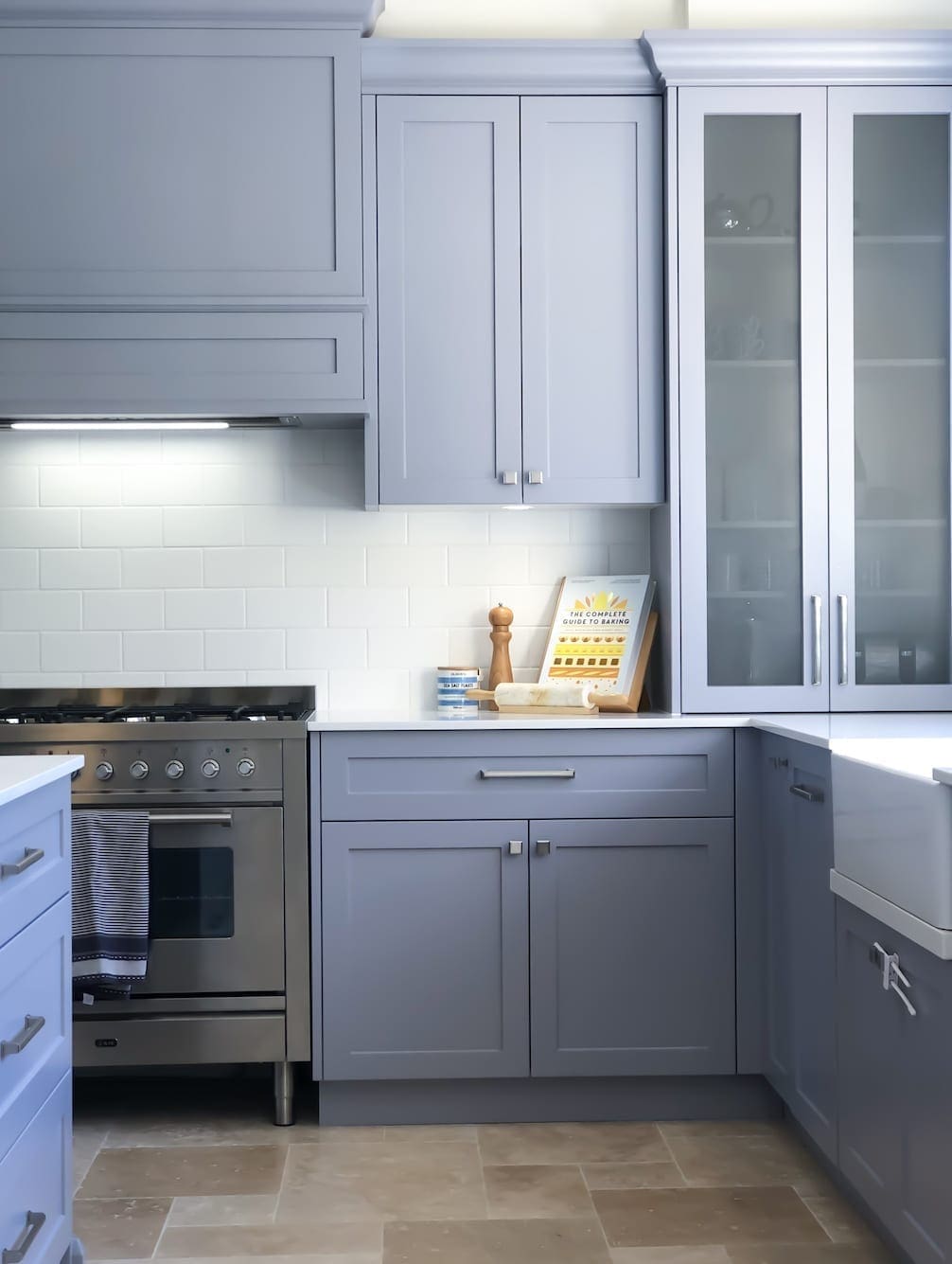
painted kitchen cabinets in blue shade with island and stone benchtop

Is Polyurethane Worth It? Our Professional Recommendation

If you want a long-lasting, beautiful and durable finish for your kitchen cabinets, polyurethane is the clear winner. It outperforms melamine and laminate in:

✔ longevity

✔ strength

✔ visual quality

✔ colour flexibility

✔ ability to handle detailed cabinetry

✔ repairability


It’s the preferred choice for homeowners investing in a high-quality kitchen that will look immaculate for years. Though polyurethane has a higher upfront cost, its long-term maintenance and repair expenses are often lower compared to melamine and laminate, thanks to its durability and ease of repair. This makes it a cost-effective option in the long run for those planning for the future.

FAQs About Polyurethane Kitchen Cabinets

Q: Can you paint over laminate or melamine to turn it into polyurethane?

Melamine, yes! With the right prep work, primer and techniques, melamine can be successfully refinished in polyurethane.

Yes, laminate can be painted, but it’s not something we recommend. Even though there are products on the market that claim to work, the finish usually doesn’t hold up well. If you’re after a quality, long-lasting result, painting over laminate isn’t the best option.


Q: Does polyurethane chip easily?

Not when professionally applied. It forms a hard, durable shell that resists everyday wear and tear.


Q: Can polyurethane be colour-matched?

Yes. This is one of the biggest benefits of a painted finish, perfect for repairs or extensions.


Q: Is polyurethane good for humid or sunny kitchens?

Yes. It has strong UV and moisture resistance, making it ideal for Australian homes.


Q: How long does polyurethane last?

With proper care, polyurethane kitchen cabinets can last 15+ years.

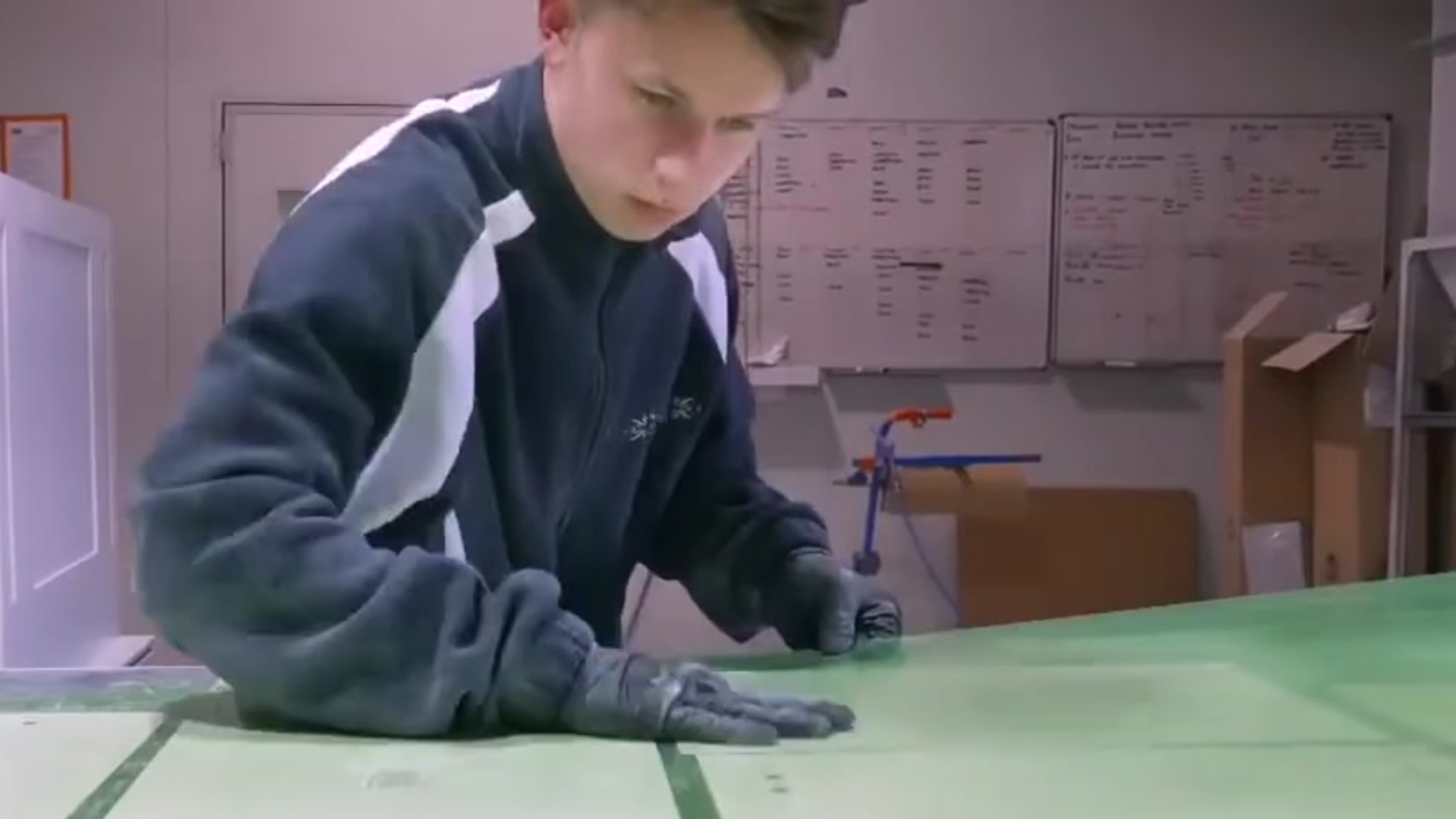
young man preparing cabinets for painting

Professional Polyurethane Painting Sydney

If the information above has helped you decide on polyurethane, our team is here to help. We are an experienced Sydney-based spray-painting service specialising in high-quality polyurethane cabinet finishes. Explore more about how we offer custom polyurethane kitchen doors here.

Next Step: Contact us for a cost estimate, and one of our friendly team members will be happy to assist.

If you’re after a more luxurious, custom look, we also offer beautifully hand-painted and brushed finishes. Explore our premium hand-painted options here.