Top Kitchen Colour Schemes in Australia (2026 Guide)

Top Kitchen Colour Schemes in Australia (2026 Guide)

Top Kitchen Colour Schemes in Australia (2026 Guide)

Here in our paint factory, we see a lot of kitchens come through, every shade, every tone and every “it looked different in the showroom” moment. We see it all!

One thing we’ve learnt? Painted kitchen cabinets never look the same in every space.

That’s why we always encourage clients to take samples home. Seeing a colour on cabinetry, under your own lighting, morning sun, afternoon shadows, night-time downlights, makes all the difference when it comes to choosing the right kitchen colour scheme with confidence.

Because sometimes… we get an order for painting kitchen cabinets and think, “yep, that’s different.” And not always in a good way. This is where things get tricky, because once your order is placed, you don’t actually see it finished again until it arrives on site, ready for installation.

That’s why it’s important to take advantage of any review opportunities along the way. We arrange for colour sample approval before the final painting begins, which means you’ll have a chance to see and confirm your chosen colour under your own lighting before we proceed. If you’re at all unsure, this is the stage to make changes.

Because, unlike painting a wall, where you can quickly repaint if it’s not quite right, your kitchen cabinets are a much bigger commitment. Once they’re painted, they’re there to stay.

That’s why choosing the right kitchen colour scheme isn’t just about “I think this looks good”. It needs to be something you’ll still love long after the install is done.
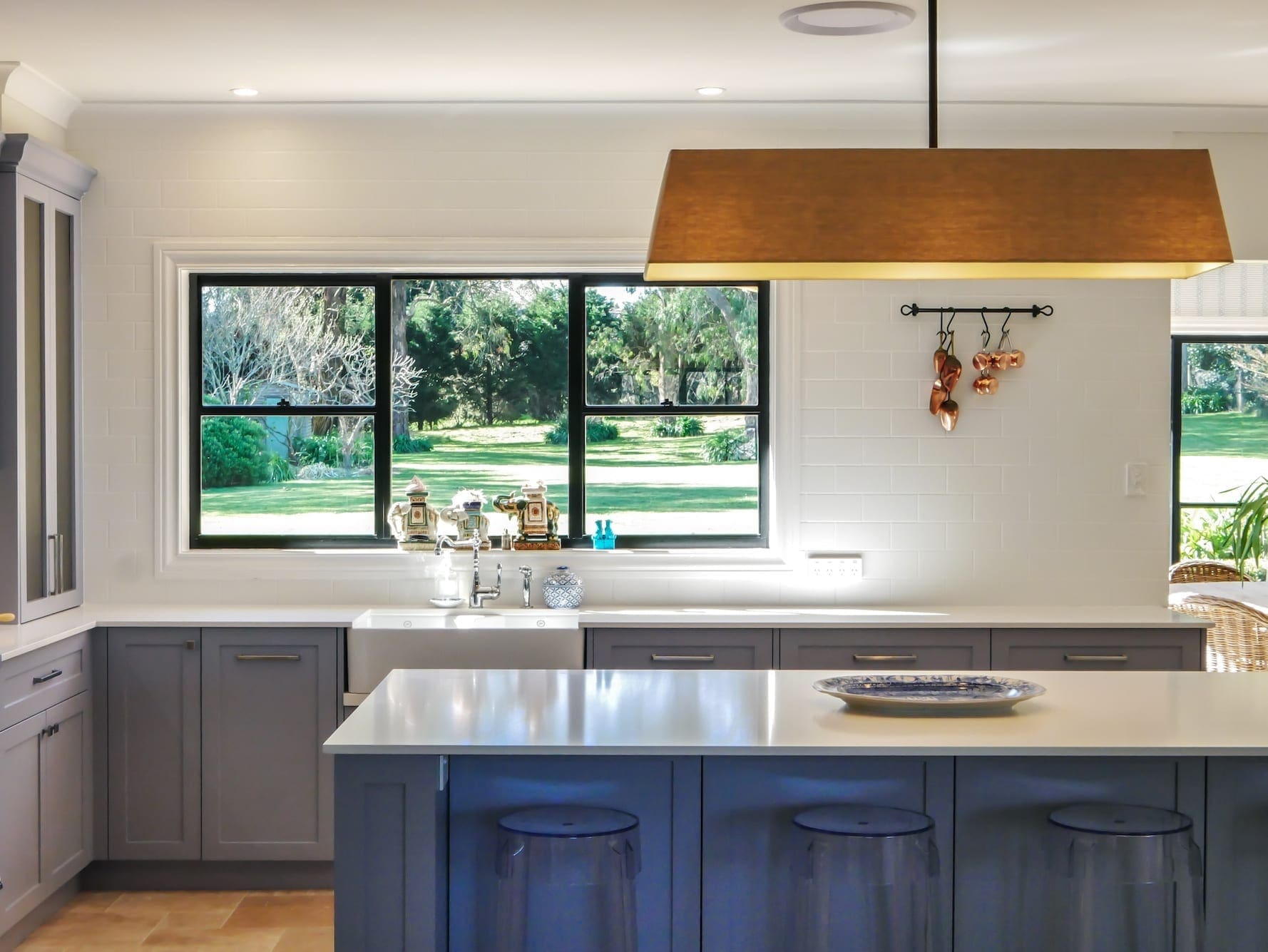
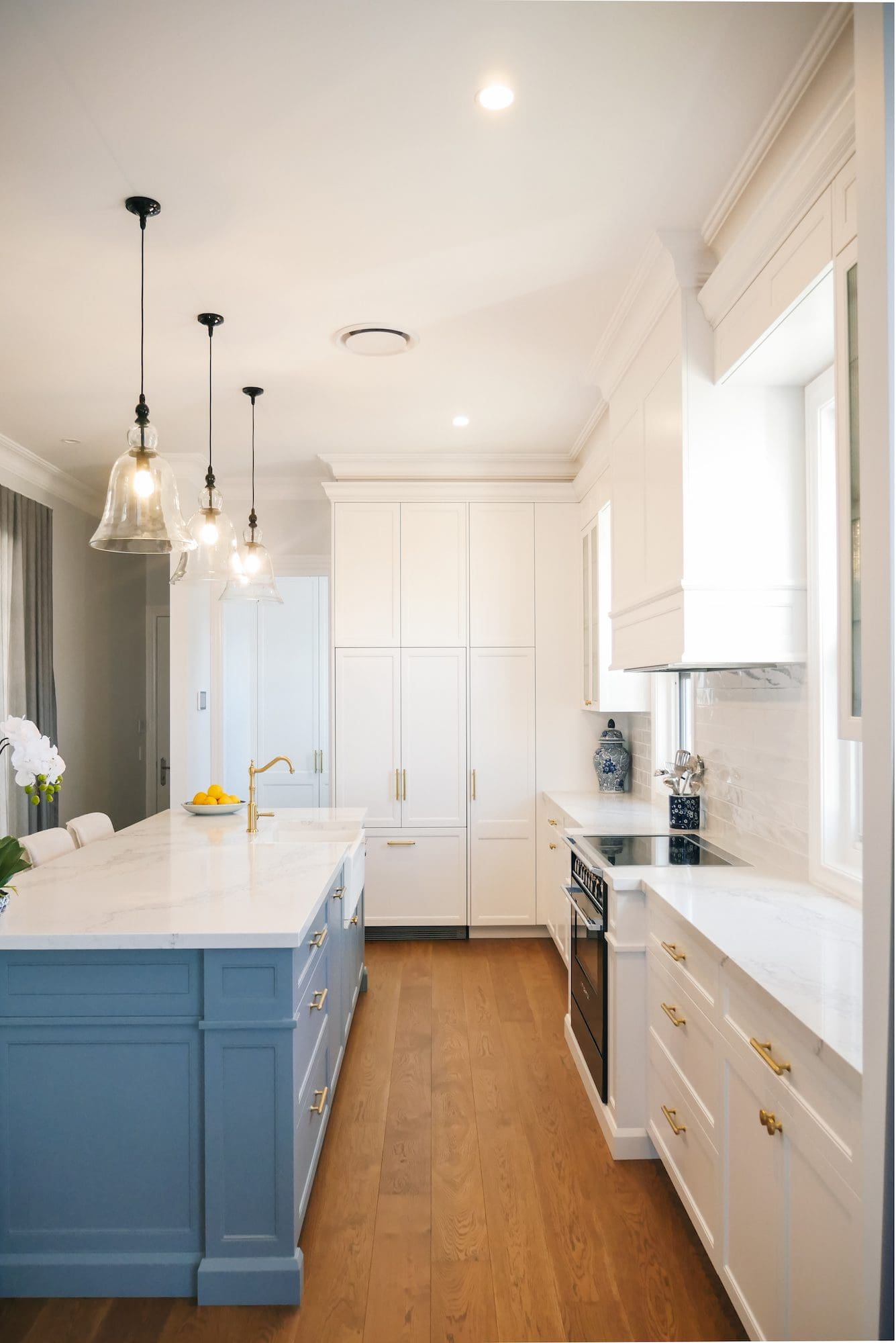
painted kitchen cabinets in blue shade with island and stone benchtop

How to Choose the Right Kitchen Cabinet Colours (Without Regret)


We get it: the options are endless, every sample looks good in isolation, Pinterest is full of inspiration, and suddenly what should be exciting starts to feel like a big decision you really don’t want to get wrong.

And honestly… that’s fair. Cabinets aren’t like cushions you can swap out when you get bored; they’re a long-term commitment.

Here’s what we always guide our clients through before they commit.

Consider the Size of Your Kitchen


Space changes everything.

In smaller kitchens, lighter colours work best. Think soft whites, warm neutrals, gentle greys. These colours help open the space up and make it feel bigger than it is. They reflect light, keep things feeling airy, and are a safe base to build from.

If you’ve got a larger kitchen, that’s where you can lean into deeper tones. Navy, charcoal, and even darker earthy shades can bring warmth and a more grounded, intimate feel without closing the space in.

A lot of the time, we’ll suggest starting light and layering from there, especially if you’re unsure. You can always introduce contrast through your island, benchtop, or splashback without committing your entire kitchen to a bold colour.


Think About Your Lighting (This One Catches People Out)


Lighting is probably the biggest reason colours go wrong.

A colour that looks perfect in a showroom (or even in our factory) can feel completely different once it’s in your home. Natural light, shadows, and even the direction your windows face will all change how that colour reads.

Lots of natural light? You’ve got more flexibility to go darker.

Low light or enclosed space? Lighter tones will help lift everything.

Then there’s artificial lighting:

Warm lighting softens and enhances earthy tones and timbers.

Cooler lighting works better with crisp whites and greys.

This is exactly why we push samples so much. You need to see it in your space, not ours.


Match the Colour to Your Home (Not Just the Trend)


Trends come and go, but your home’s style stays.

If your space leans modern and minimal, cleaner palettes like whites, soft greys, or darker contrasts tend to work well. If your home has more warmth or character, those softer tones, creams, sage greens, taupes usually sit more naturally.

We always say: your kitchen doesn’t have to be neutral to be timeless.

It just has to feel like it belongs in your home.


Don’t Be Afraid… But Be Smart About It


Some of the best kitchens we’ve seen are the ones where clients took a bit of a risk. For example, in a recent project, one client chose a light blue for their island cabinetry while keeping the surrounding cabinets neutral, resulting in a striking focal point that enhanced the overall aesthetic of their kitchen.

A deeper island colour. Darker lower cabinets. Something a little different.

But there’s a difference between intentional and impulsive.

If you’re unsure, don’t go all-in straight away. Use colour in areas that can stand alone, like an island or feature cabinetry, while keeping the rest more neutral. It gives you personality without the risk of overwhelming the space.


Use a Simple Rule to Keep It Balanced


When everything starts to feel like too many choices, we bring it back to something simple:

  • 60% main colour (usually your cabinetry)
  • 30% secondary (benchtops, splashbacks)
  • 10% accents (handles, tapware, stools, lighting)

It’s not a strict rule, but it helps stop things from feeling either too flat or too chaotic.

Don’t Overlook the Finish (It Changes More Than You Think)


One thing that often gets missed when choosing a kitchen colour scheme is the finish, or more specifically, the sheen level.

The same colour can look completely different depending on whether it’s matte, satin, or gloss. It can appear softer, deeper, lighter, or even slightly different in tone depending on how it reflects light throughout the day.

We see this all the time in the factory: clients choose a colour they love, but once the finish is applied, it takes on a whole new look.

To learn more about Paint Sheen selections, explore our blog Paint Sheen Levels for kitchen cabinets.
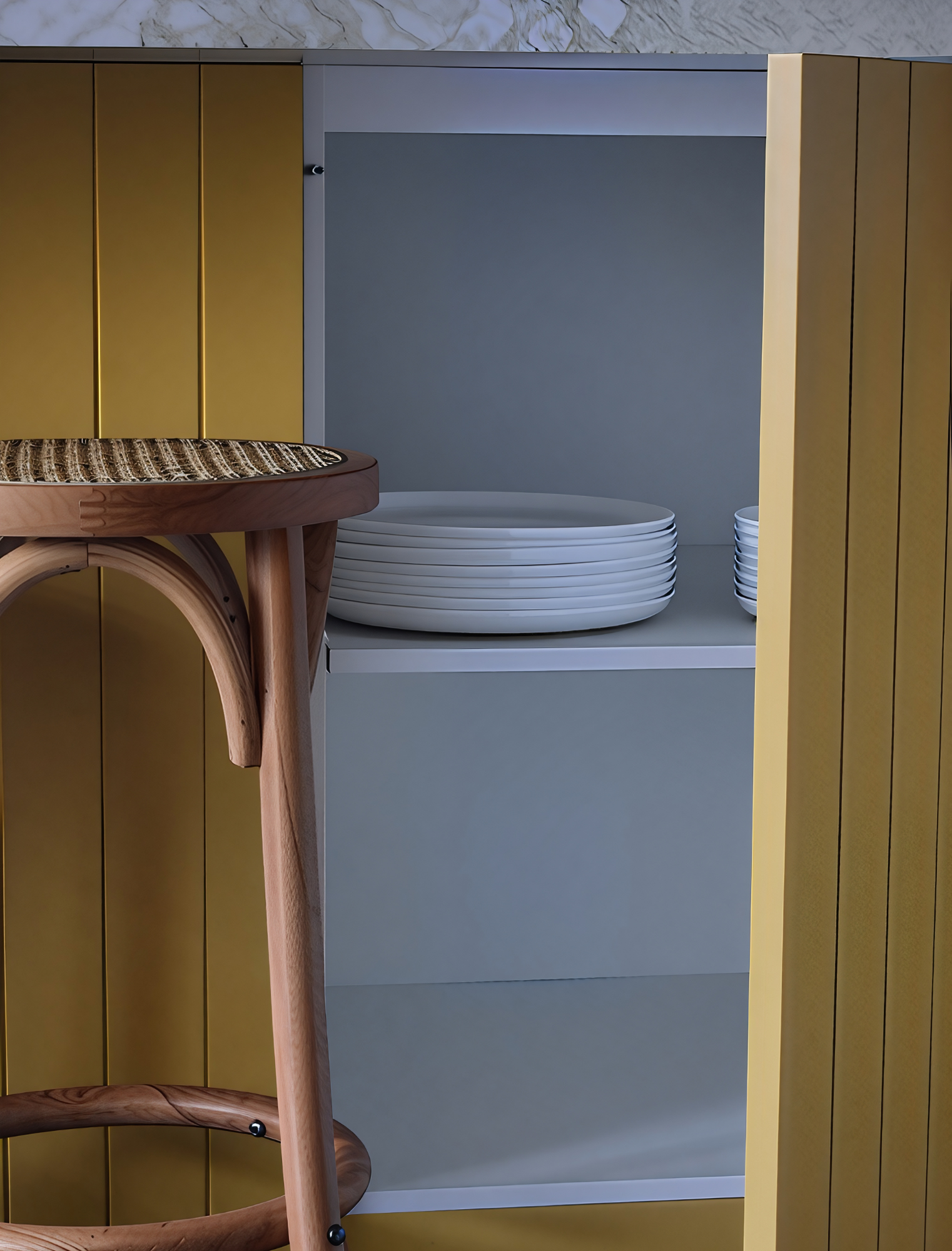
ginger crunch painted cabinet island with hidden storage.
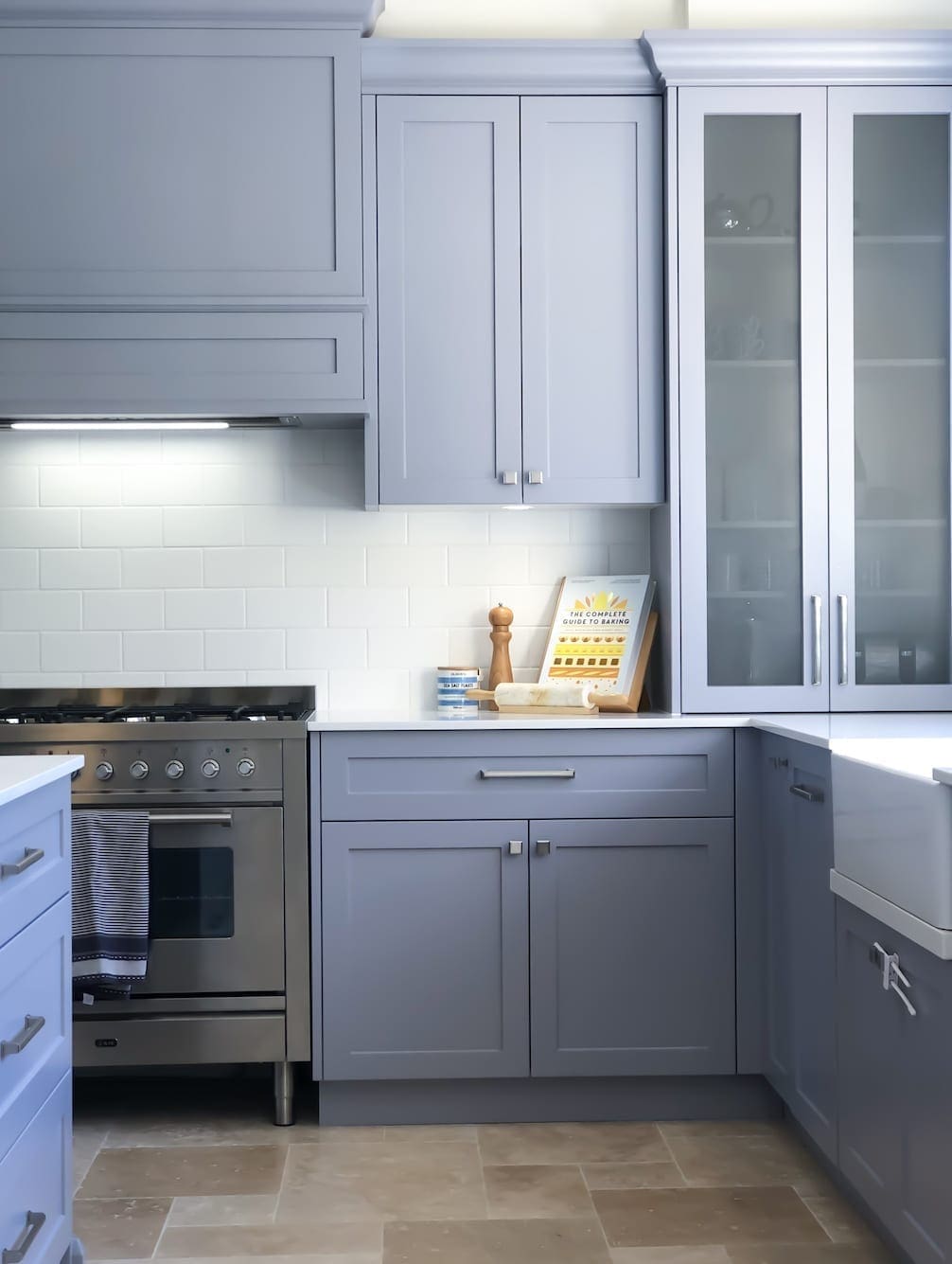
blue painted joinery kitchen

Our top 5 Kitchen Colour Schemes

Here are the top 5 kitchen colour schemes dominating Australian homes right now, inspired by real projects we’ve helped paint.


1. Soft Warm Whites & Light Neutrals (Timeless with a Twist)
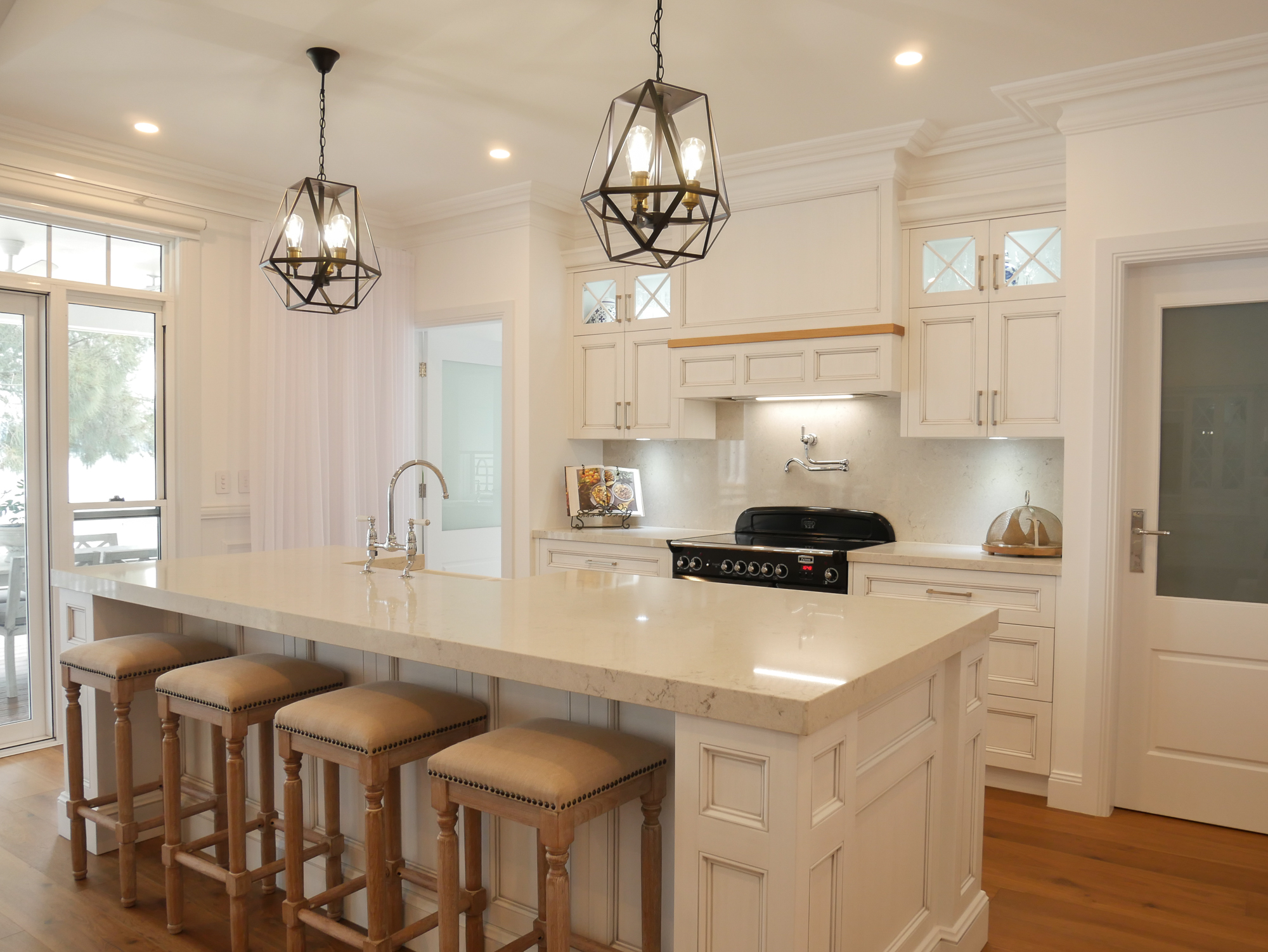
Soft Warm Whites & Light Neutrals Kitchen Colour Scheme

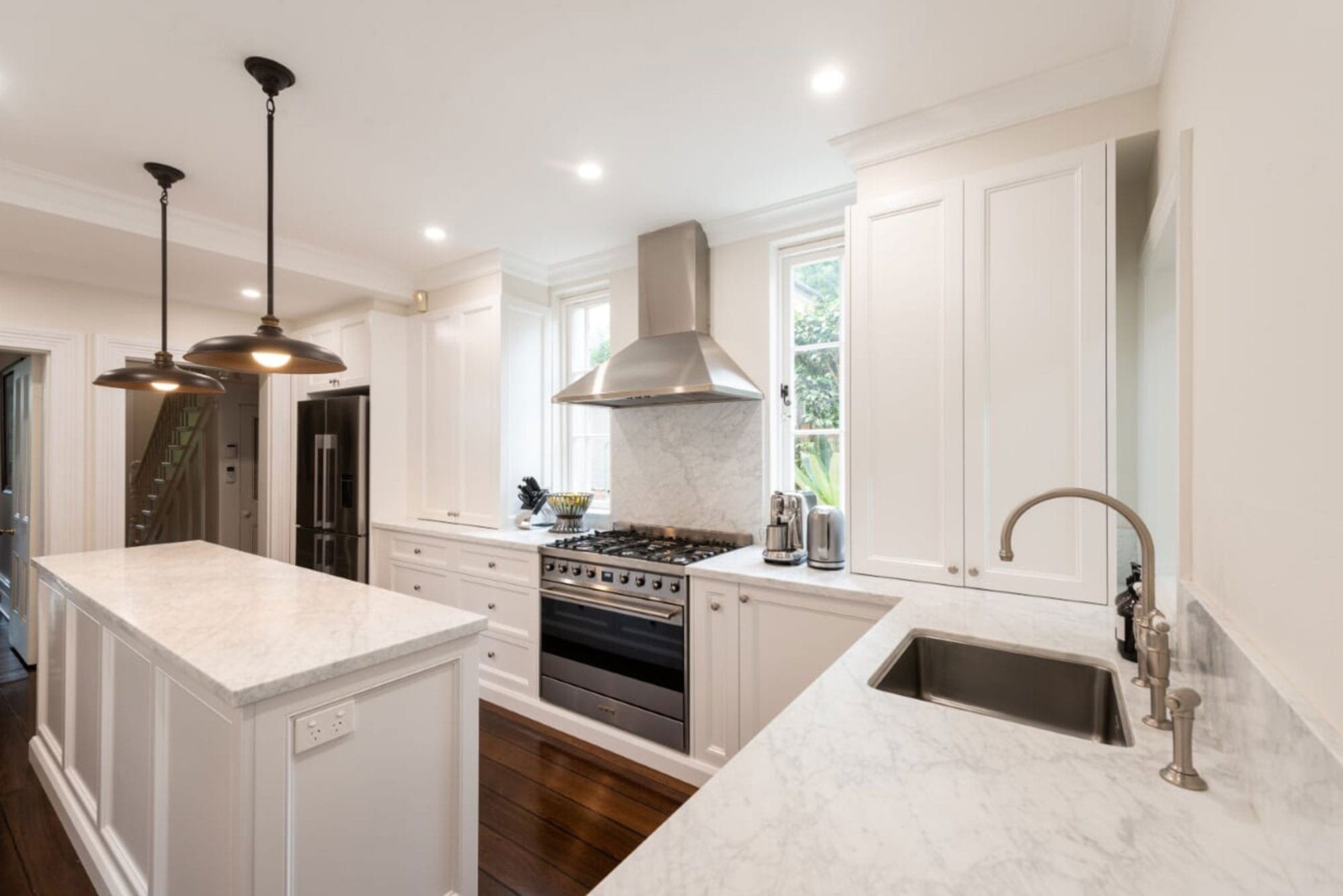
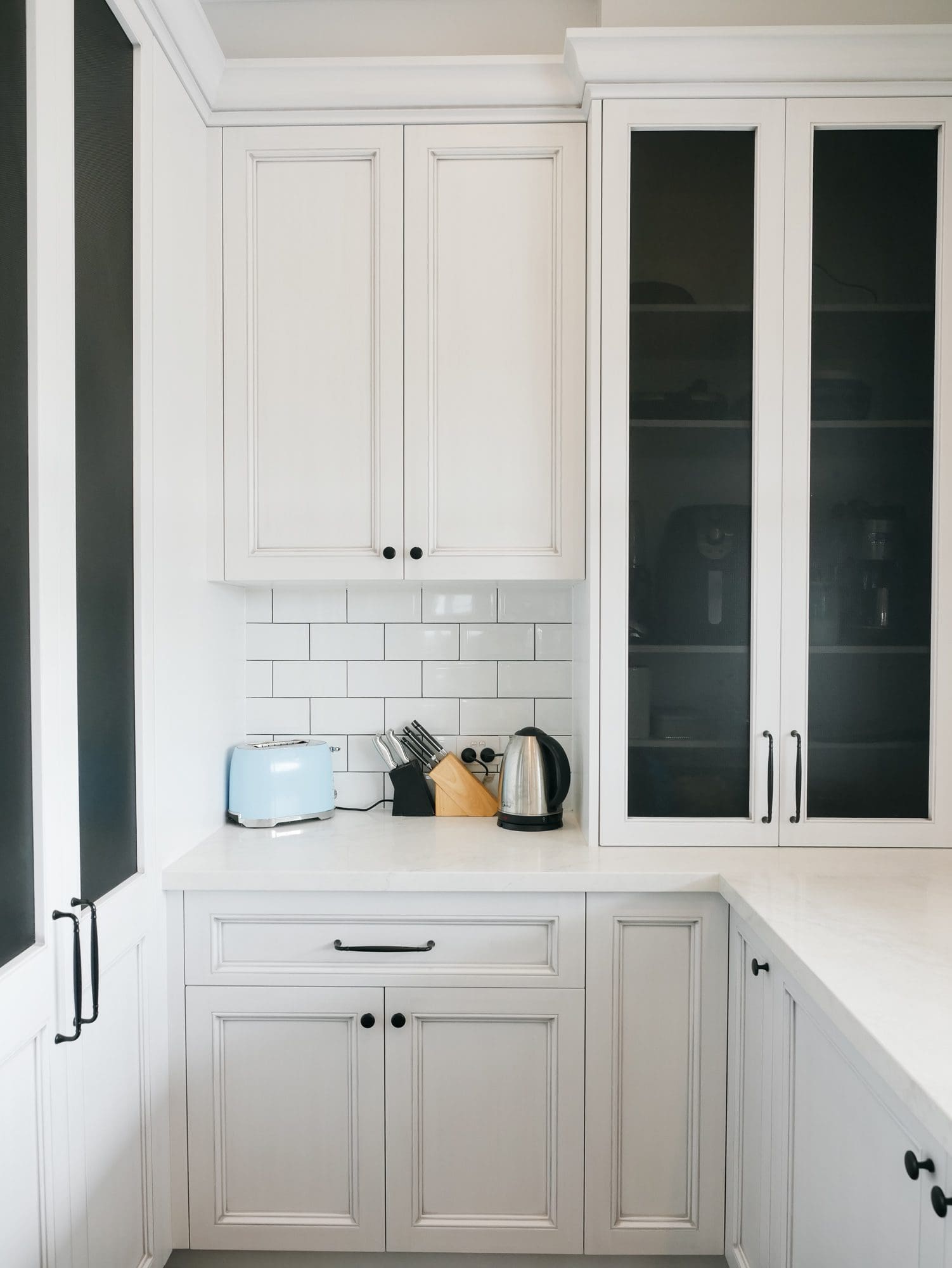
Soft whites are still a favourite! But not the harsh, clinical whites of the past. Today’s kitchens lean into warmer whites, greiges, and subtle neutral tones that feel inviting and lived-in.

Why it works:

  • Makes spaces feel larger and brighter
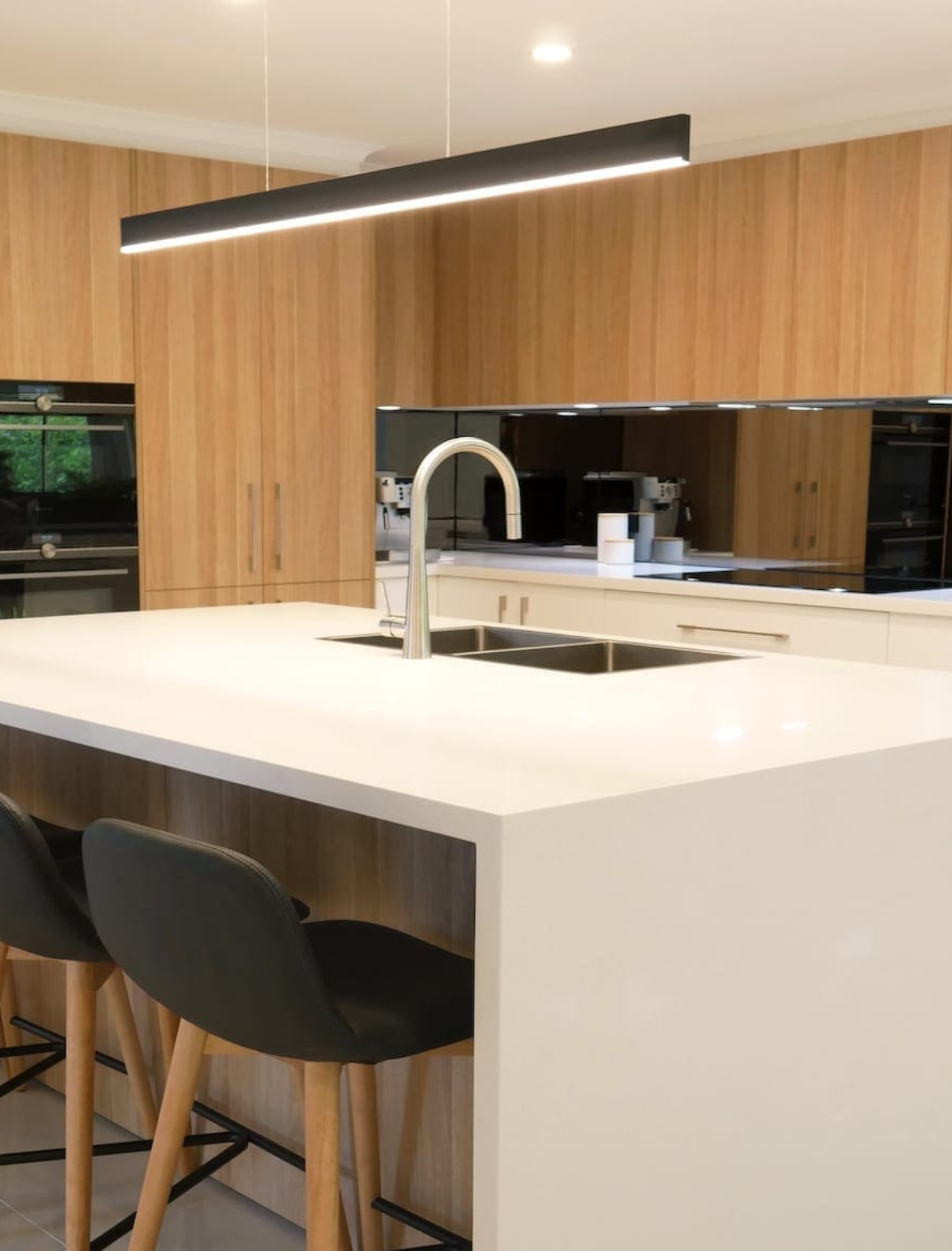
  • Pairs beautifully with timber accents and stone
  • Works in both modern and classic homes

Best paired with:

  • Oak or walnut accents
  • Brushed brass or soft gold handles
  • Matte or satin polyurethane finishes

Is this hand-painted? Yes, and this is where a hand-painted finish really shines, giving subtle brush texture and depth you simply can’t achieve with flat factory finishes. Explore our service hand-painted finishes.

2. Deep Navy & Dark Statement Kitchens (Luxury Meets Function)
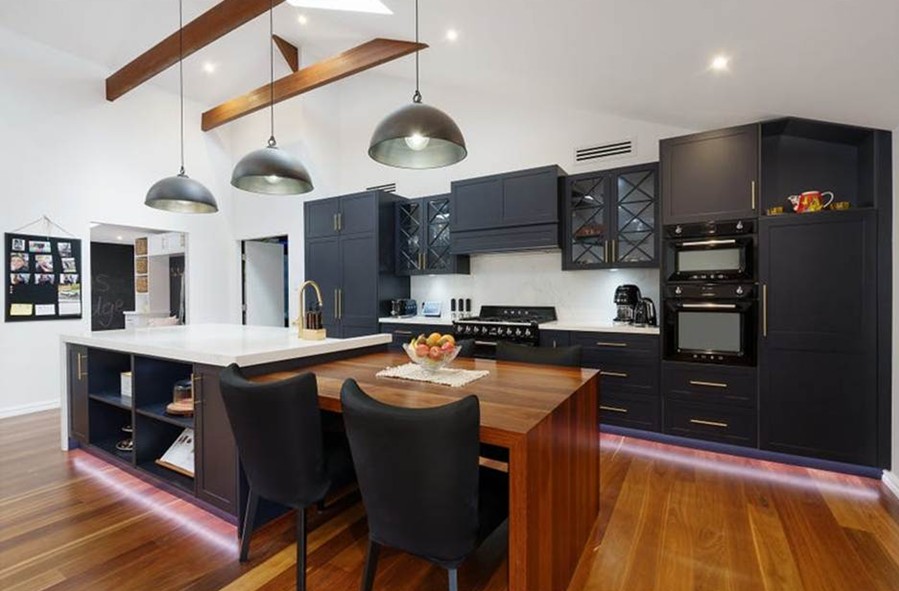
Navy kitchen cabinets Australia featured with timber island

Dark kitchens are making a serious comeback, especially navy, charcoal, and near-black tones. These colours create a bold, high-end feel while still being practical.

Why it works:

  • Adds depth and contrast in open-plan homes
  • Hides wear and tear better than lighter colours
  • Creates a designer, architectural look

Best paired with:

  • Timber benchtops or feature islands
  • Brass or gold hardware
  • Under-cabinet lighting for contrast

Dark tones like navy are now considered timeless rather than trendy, especially when layered with texture.

A polyurethane finish is key here; it delivers durability, smoothness, and that refined, luxe finish darker colours demand. Explore our service Polyurthane finishes.

3. Muted Greens (The New Australian Favourite)
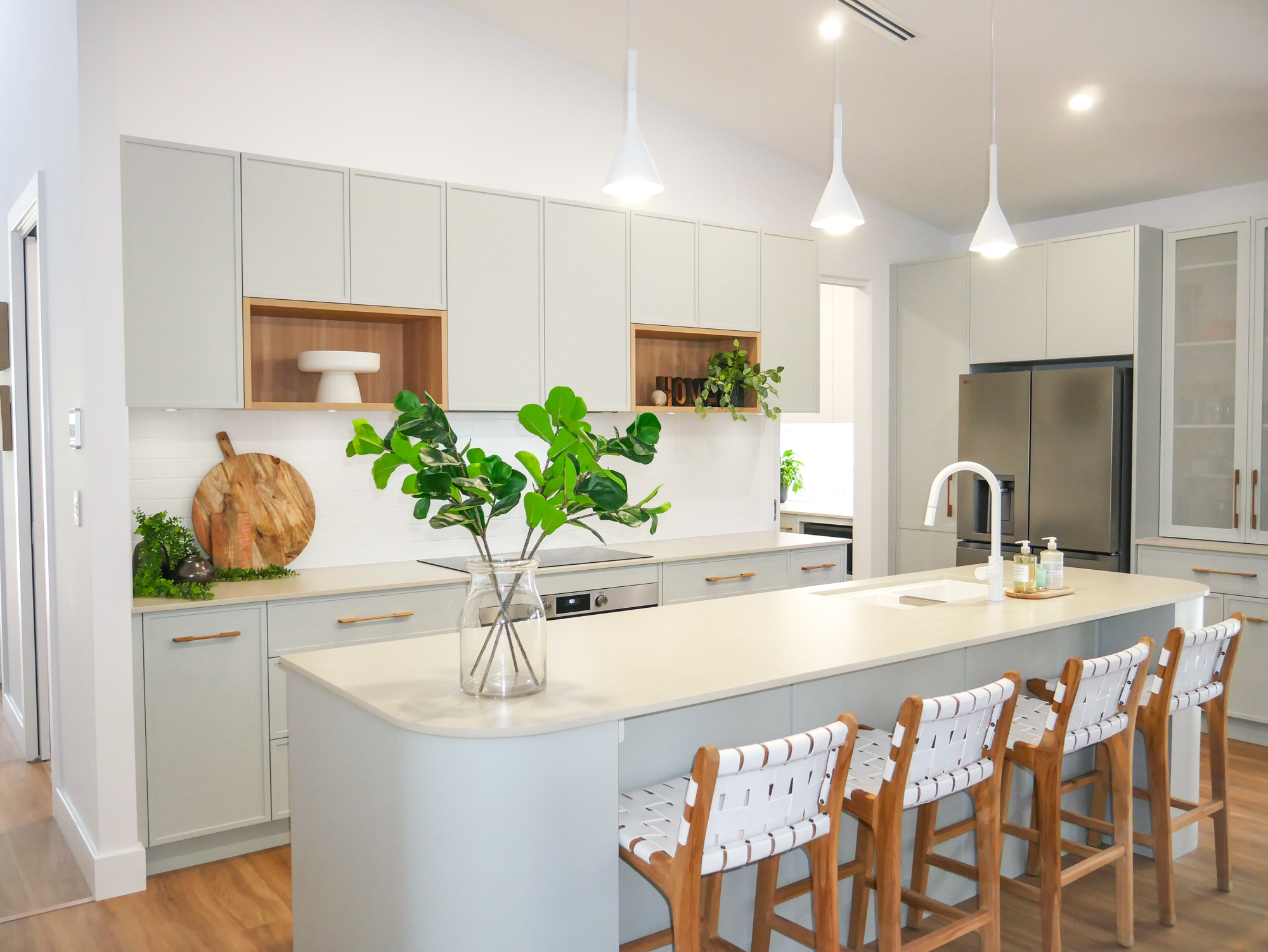
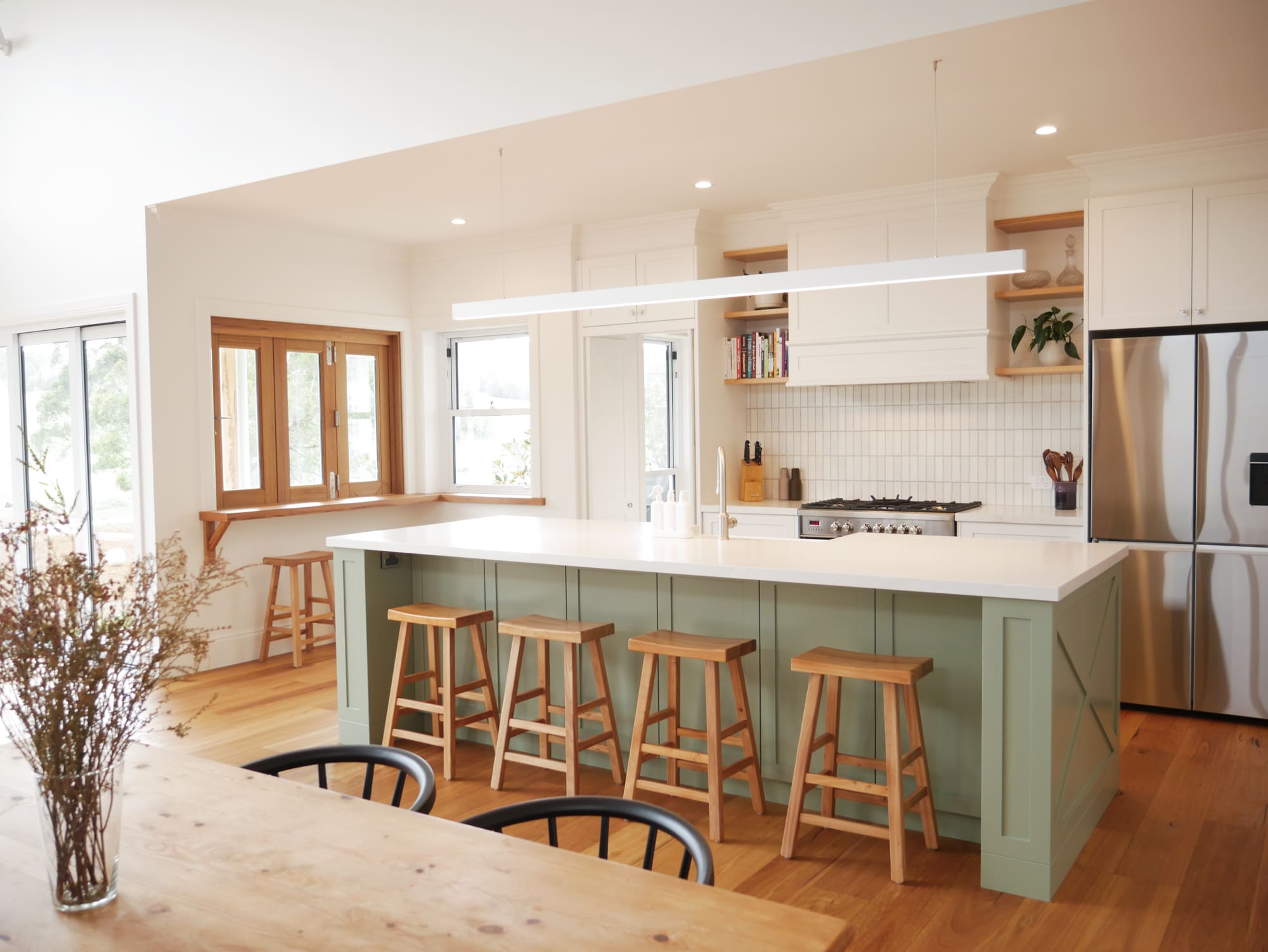
muted green kitchen colour scheme with timber elements

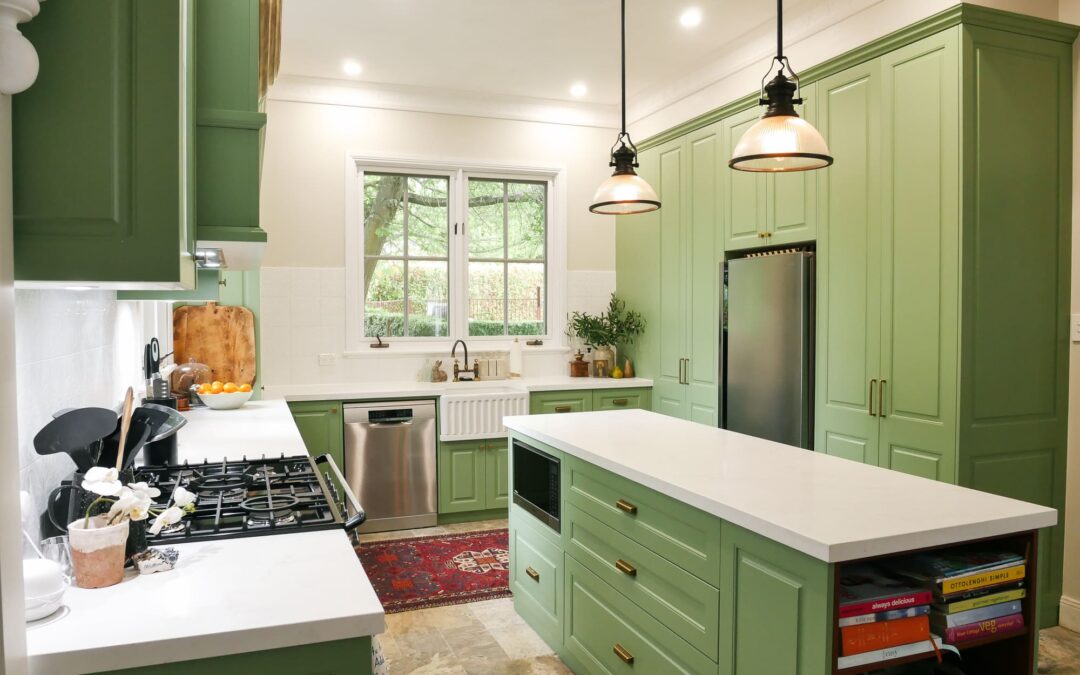
Green has quickly become one of the most popular kitchen colours across Australia, especially sage, olive, and eucalyptus tones.

Why it works:

  • Feels calm, natural, and connected to the outdoors
  • Complements timber, stone, and earthy textures
  • Adds colour without overwhelming the space

Best paired with:

  • Stone benchtops with soft veining
  • Natural timber shelving
  • Aged brass or bronze tapware

Muted greens are part of the broader move toward earthy, grounding palettes in modern kitchens.

4. Two-Tone Kitchens (Balance & Contrast)
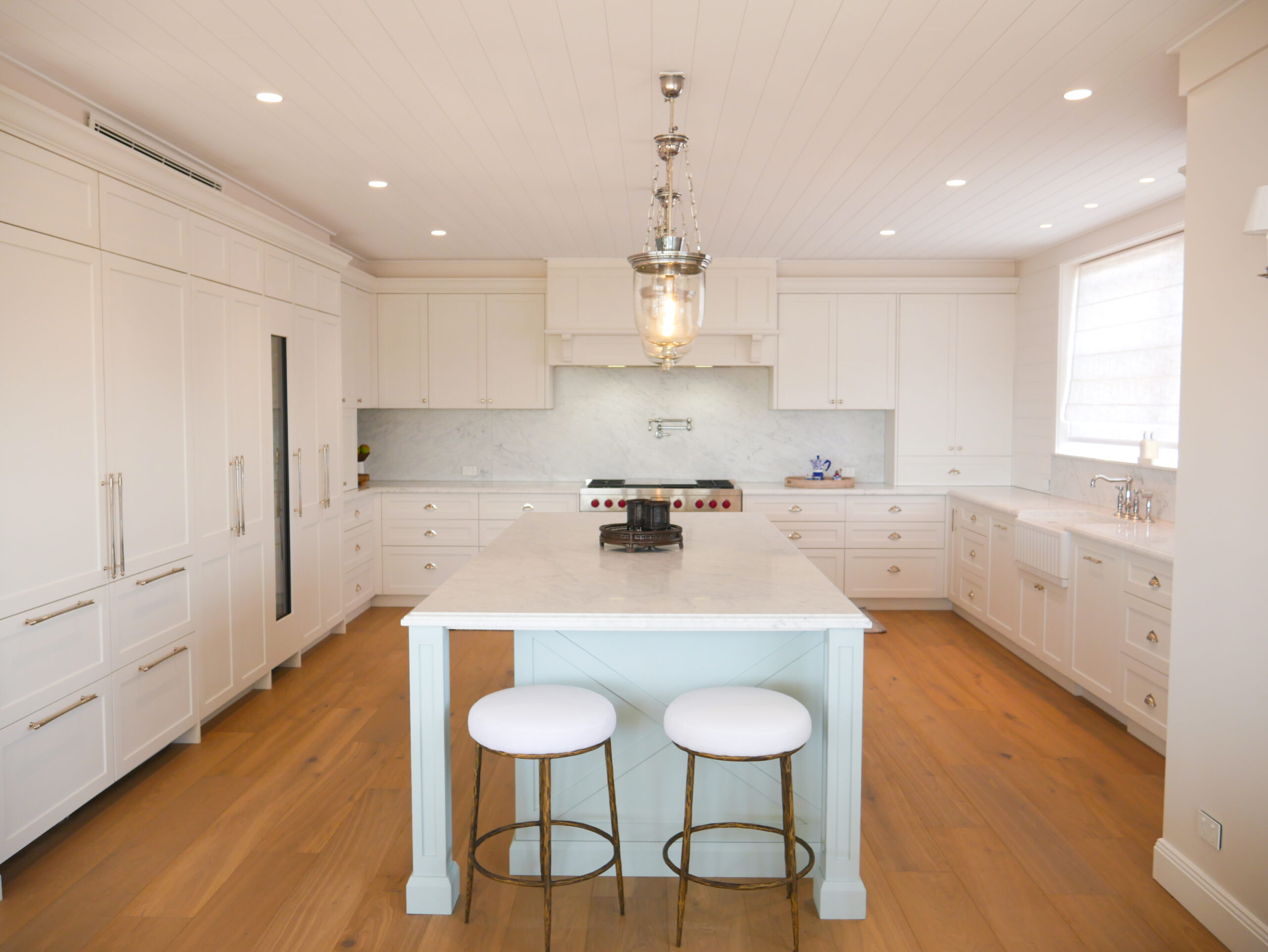
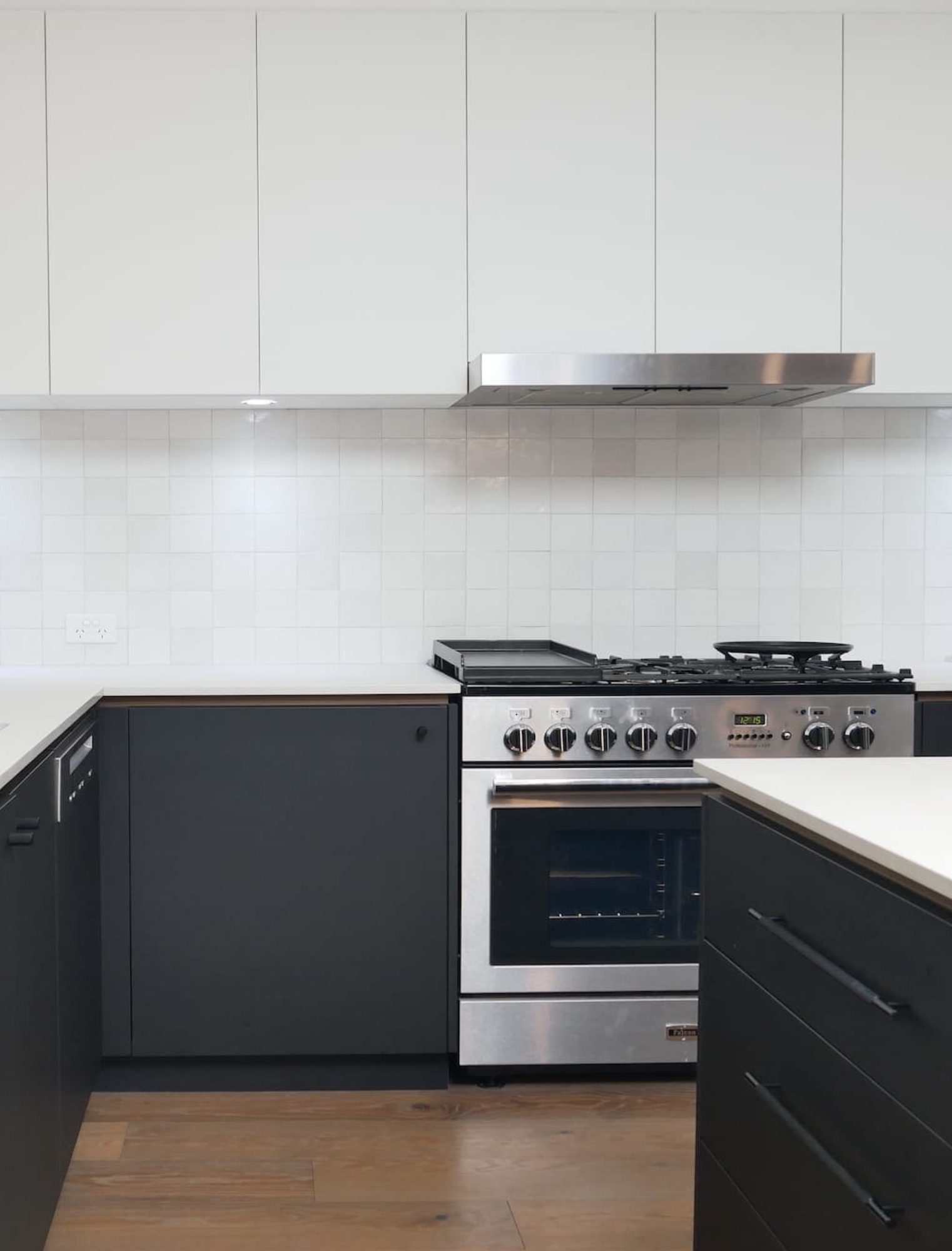
Two-tone kitchens are everywhere and for good reason. Combining colours (like white uppers with darker lowers or a feature island) creates visual interest without overpowering the space.

Popular combinations:

  • White + timber
  • Navy + white
  • Green + warm neutral
  • Cream + natural oak

Why it works:

  • Breaks up large cabinetry runs
  • Highlights key features like islands
  • Adds a custom, designer feel

Mixing colours and materials is a major shift away from “match everything” kitchens. This is where a skilled joinery painter is essential, ensuring colour consistency and a flawless finish across multiple tones.


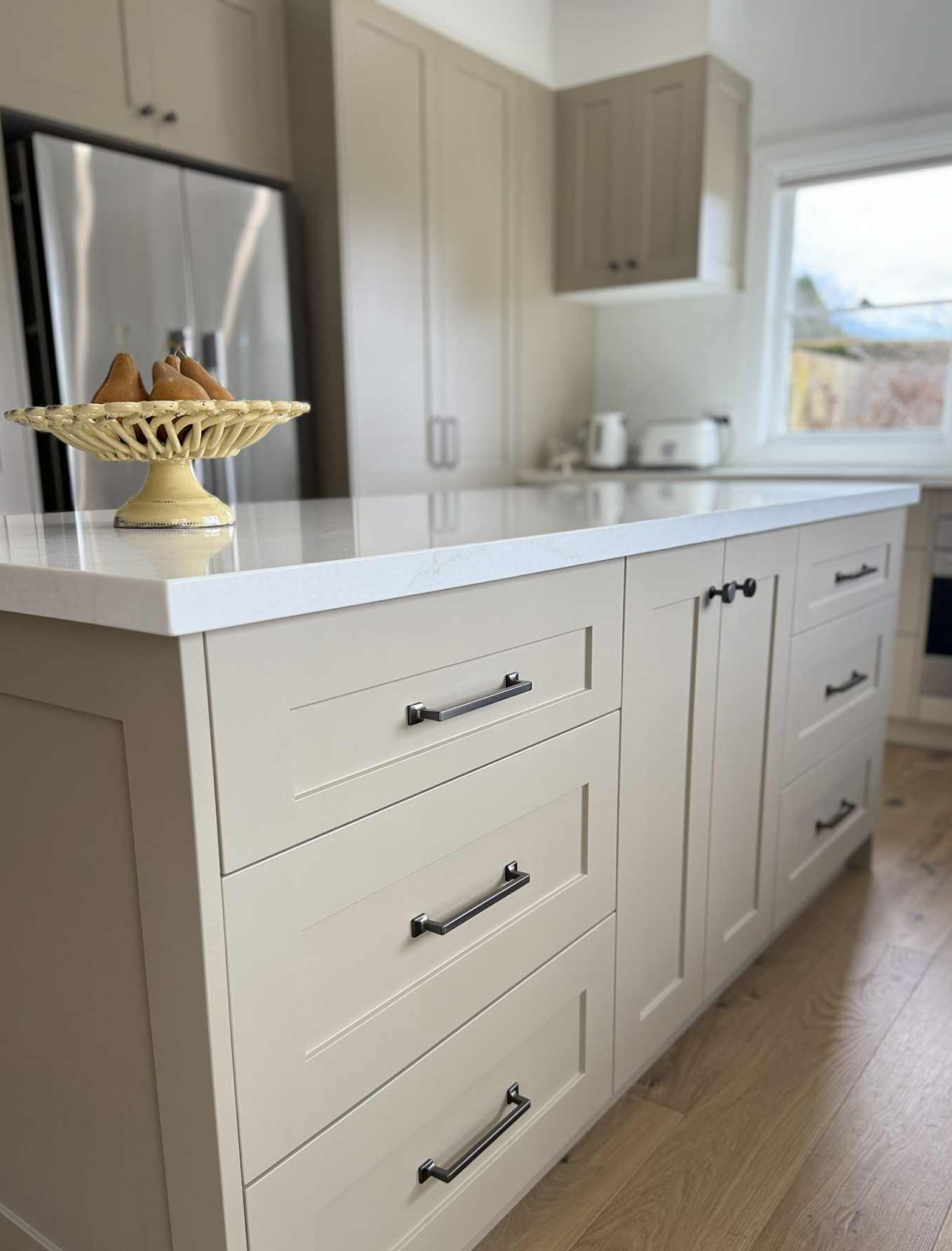
5. Earthy Browns, Taupes & Clay Tones (The Rise of Warm Minimalism)
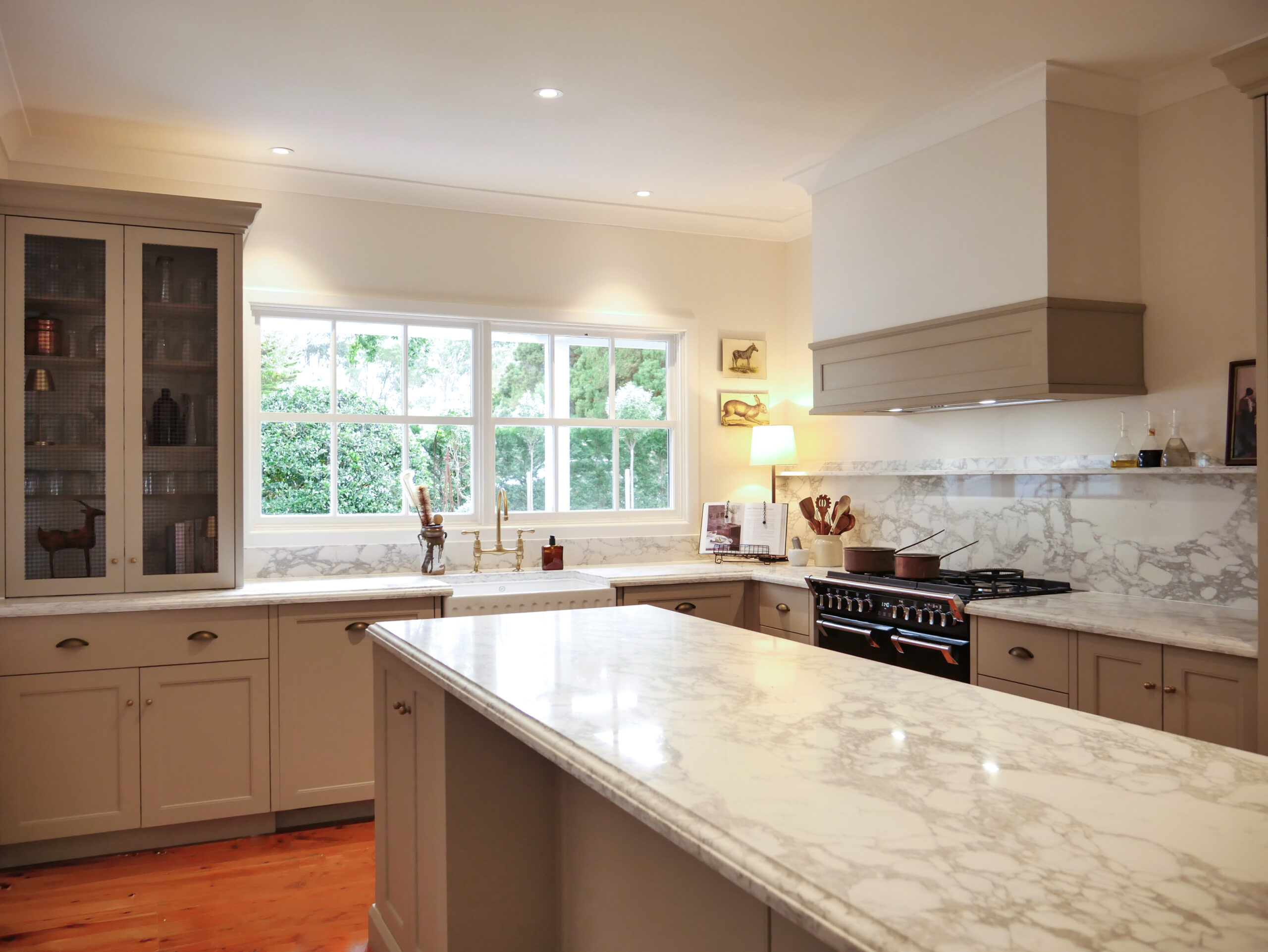
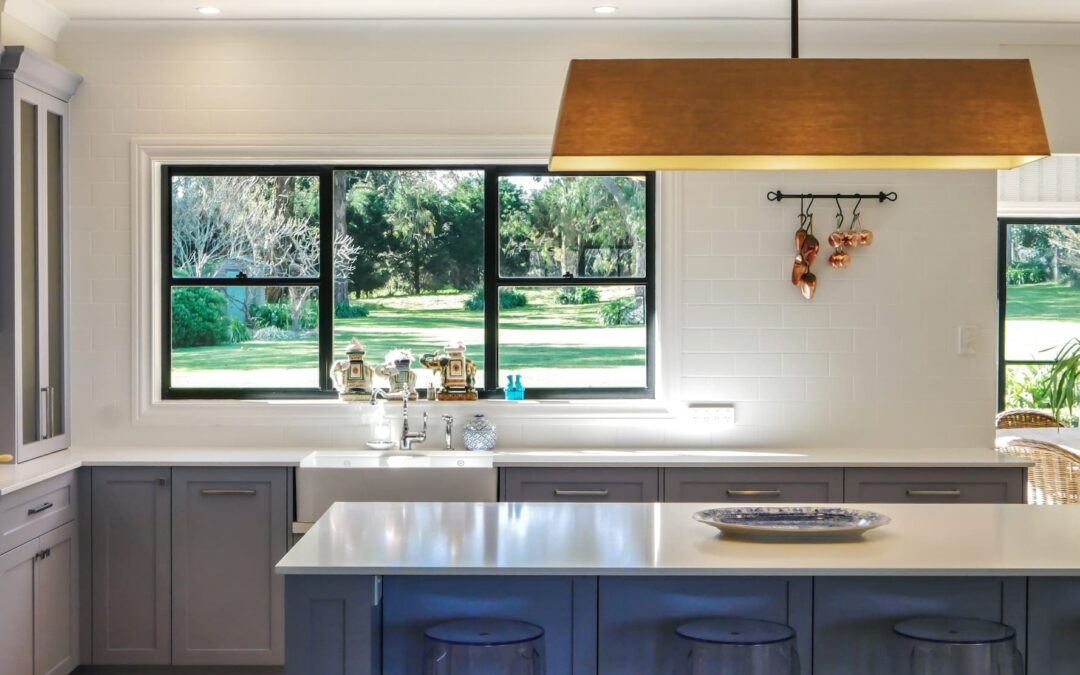
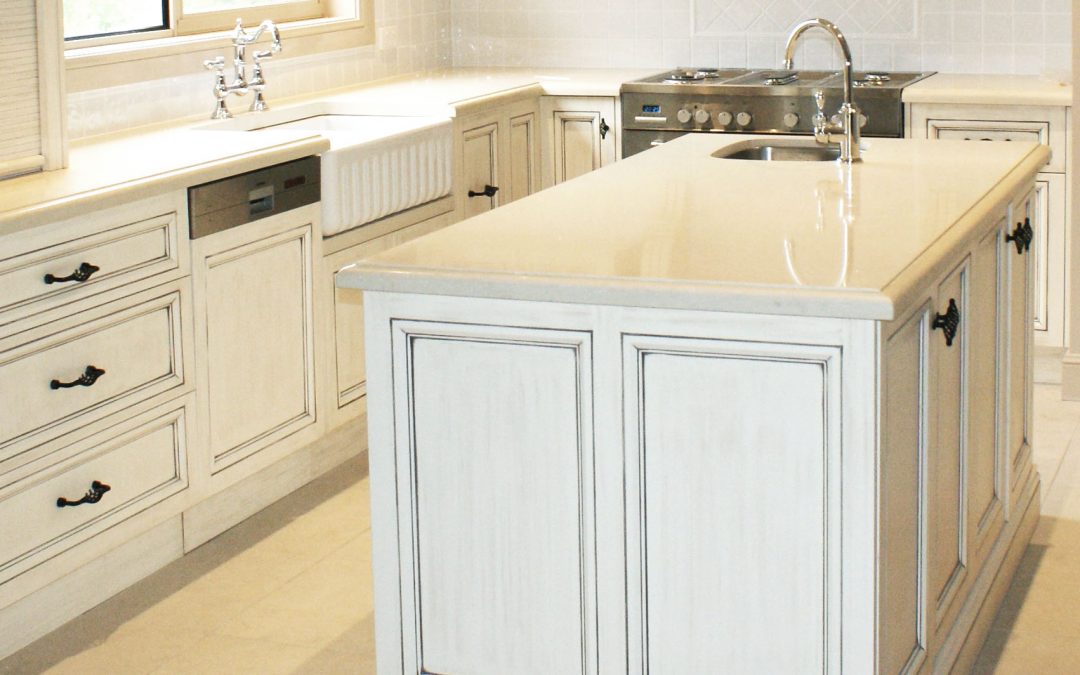
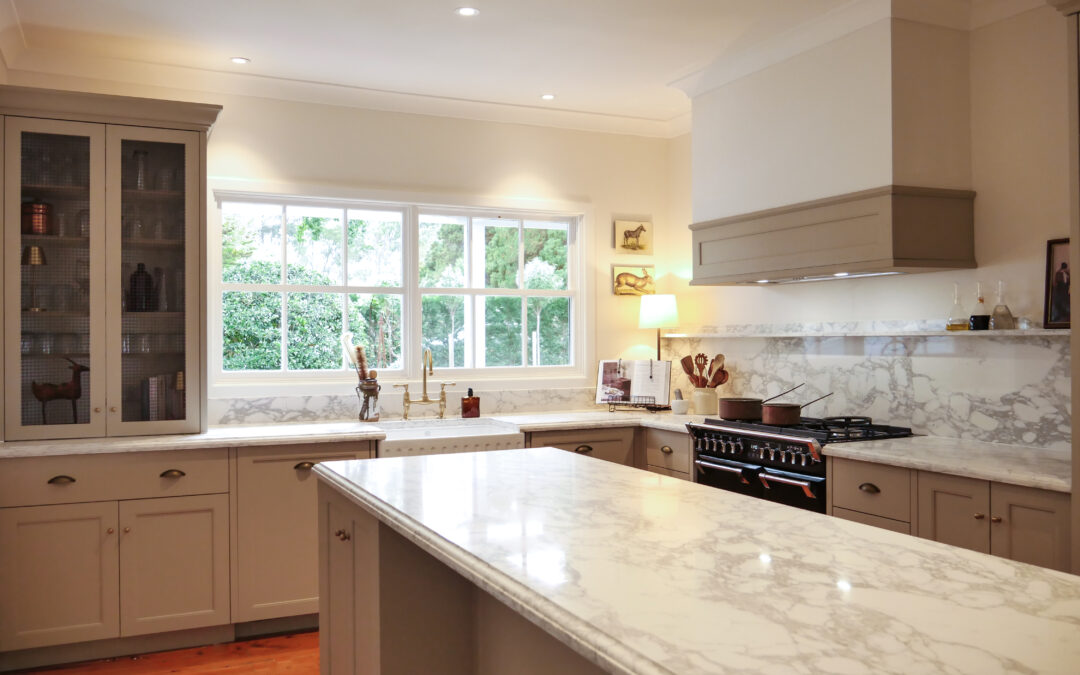
Classic Country Kitchen with earthy colour design.

Earth-inspired tones like taupe, mushroom, terracotta, and soft browns are redefining modern kitchens.

Why it works:

  • Warms up minimalist designs
  • Feels natural and calming
  • Ages beautifully over time

Best paired with:

  • Textured stone or porcelain benchtops
  • Timber flooring
  • Soft matte finishes

These tones reflect a broader trend toward warm, inviting kitchens over cold, showroom-style spaces.

In a hand-painted kitchen like this one, the colours gain depth and variation, creating a truly bespoke finish.


The Bottom Line: Kitchen Colour Scheme


At the end of the day, the best kitchen colour scheme isn’t the trendiest one. It’s the one you still love in five, ten, fifteen years.

Take your time. Look at samples in your own space. Trust how it feels, not just how it looks online.

Because once it’s painted… It’s staying.


Final Thoughts: Selecting the right Cabinet Painter


We work closely with kitchen manufacturers, builders, and designers across a wide range of projects, so we understand how many moving parts go into getting it right. Our goal is to support that process, helping guide colour decisions and ensuring you feel confident in your paint selection before it ever reaches production.
Because once it does, it’s all about execution.

Whether it’s a durable polyurethane finish or a custom hand-painted kitchen, the finish needs to be just as considered as the colour itself. That’s where experience matters! Proper preparation, consistent application, and attention to detail to ensure there are no paint runs, no missed areas, and a result that looks as good up close as it does across the room.

The right colour will make your kitchen look good.

The right finish will make it last and feel complete.

To grab a quote, don’t hesitate to fill in the form on our contact us page, and we’ll be in touch!
Polyurethane: Our Favourite Kitchen Cabinets Finish

Polyurethane: Our Favourite Kitchen Cabinets Finish

Best Kitchen Cabinet Finish? Polyurethane, Laminate or Melamine Compared

Choosing the right finish for your kitchen cabinets is super important! It not only affects the overall look of your kitchen but also how well it stands up over time. In Australia, there are three popular options to consider: polyurethane, melamine, and laminate. At first glance, they might seem quite similar, but when you take a closer look, you’ll notice some big differences in their durability, colour choices, maintenance, and lifespan.

This guide is here to help you navigate through the options by comparing polyurethane, laminate, and melamine in detail. Plus, we’ll share why we believe polyurethane is the top choice for modern kitchens. Let’s dive in!

What Is a Polyurethane Cabinet Finish?

Polyurethane is a fantastic protective coating that gets sprayed onto cabinets, giving them a smooth and durable finish. Here’s why it’s such a great choice:

✔️ It creates a sleek, seamless appearance
✔️ Cleaning is a breeze
✔️ It’s tough against UV rays, chips, and scratches
✔️ Plus, you can have it in any custom colour you like!


Many of our clients across Sydney and beyond love using polyurethane in their premium kitchens, and it’s easy to see why. It not only offers incredible flexibility but also lasts longer than laminate and melamine. Imagine a contemporary open-plan kitchen filled with sunlight – polyurethane not only enhances the modern design but also stays vibrant, resisting fading over time. Its versatility makes it easy to match with any decor style, whether you want a bold feature wall or a subtle touch on the ceiling. With polyurethane, you can achieve a beautifully cohesive and stylish look in your home!

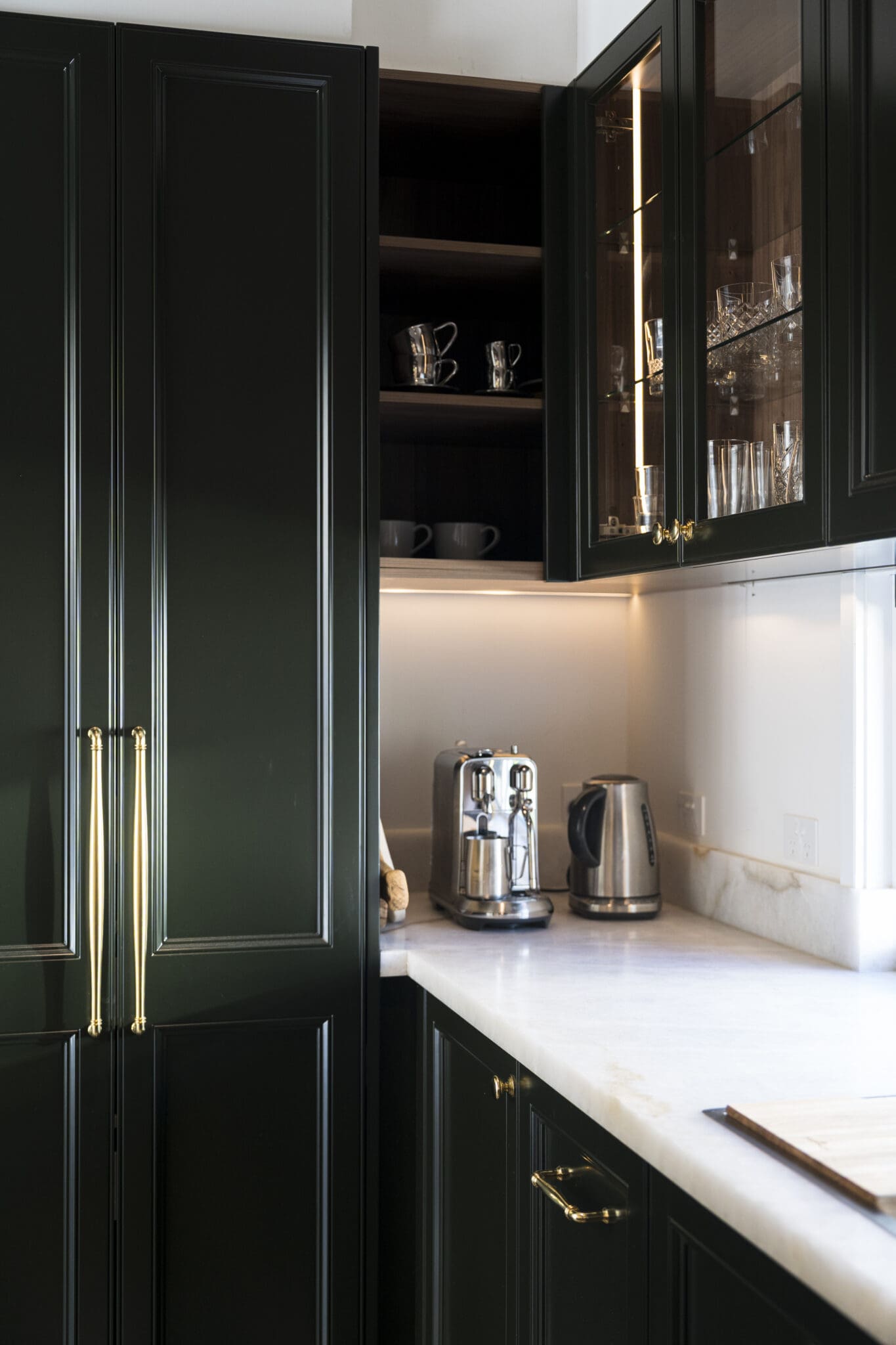
A modern coffee nook painted in Polyurethane Black Cockatoo, featuring sleek cabinetry, a matte black finish, and a stylish, built-in coffee station.

Polyurethane vs Melamine vs Laminate: Which Kitchen Cabinet Finish Is Best?

A good kitchen finish should be durable, resist heat, be easy to clean, and look great. Let’s compare the main features of polyurethane, melamine, and laminate cabinets to see their strengths and weaknesses.

 Kitchen Cabinet Finish Comparison Table

Feature

Polyurethane

Laminate

Melamine

Colour Range

Unlimited custom colours; perfect for colour-matching

Moderate range

More limited

Finish Types

Matt, satin, semi-gloss, high gloss

Gloss/matt

Gloss/matt

Durability

Excellent

Moderate

Moderate

UV Resistance

High UV protection

Low

Low

Edging

No exposed edges

Exposed edges can peel

Exposed edges can peel

Detailing

Ideal for Shaker, V-groove & detailed profiles

Limited by edging

Limited by edging

Repairability

Easy to colour-match & repair

Difficult

Difficult

Best For

Premium, custom kitchens

Budget kitchens

Budget/volume builds

ginger crunch painted cabinet island with hidden storage.
A modern black and white kitchen featuring sleek laminate cabinetry, contrasting light and dark finishes, and clean, minimalist design elements.
melamine kitchen two tones with white island and melamine kitchen cabinets in timber look finish.

Colour Range: Polyurethane Offers Unlimited Possibilities

Polyurethane custom colour kitchen cabinets Laminate Kitchen Cabinets

Melamine Kitchen Cabinets

As a painted finish, polyurethane gives you access to an unlimited colour palette, including:

  • Custom colour-matches
  • Soft neutrals
  • Deep tones
  • Designer colours
  • Two-tone combinations

This is ideal for renovations where you want to match existing trim, walls or joinery.

Laminate provides more colours and patterns than melamine but still cannot match the versatility of a painted polyurethane finish. Melamine colours are limited to what suppliers offer. You have choices from well-known brands such as Laminex, Polytec, and Wilsonart, giving you a variety to choose from, though it lacks the creativity that polyurethane provides.
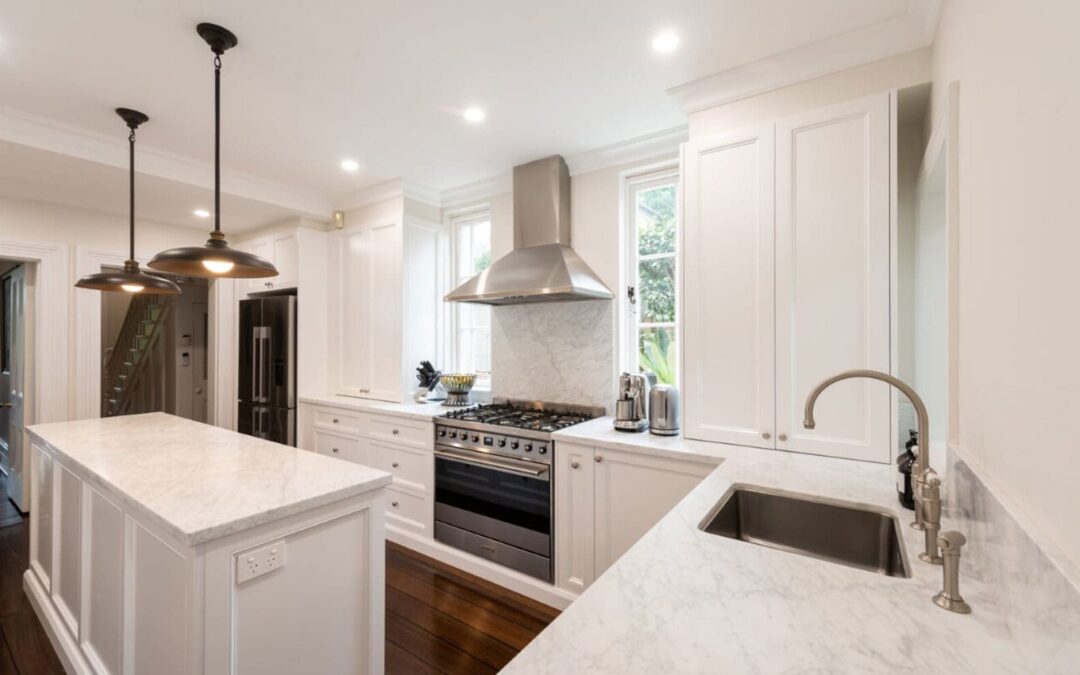
Hamptons-style cabinetry painted in Resene Triple Bison Hide. A warm neutral tone that creates a calm and welcoming atmosphere. The design is elevated with a YDL Stone Vene Rose benchtop and matching splashback, complemented by sleek stainless steel appliances and inviting seating.

Visual Appeal: Premium Look and Feel

Polyurethane Kitchen Cabinets

Melamine & Laminate Cabinets

Polyurethane is available in:

  • Matt
  • Satin
  • Semi-gloss
  • High gloss

Overall, polyurethane delivers a sleek, modern and seamless look that suits both contemporary and classic kitchens.

Melamine and laminate do come in gloss and matte, but the overall appearance lacks the depth, smoothness and luxury of a painted finish.

Learn more about which paint finish works best for your kitchen style by exploring painted finishes.

White classic kitchen with stainless steel appliances suited island.

Adhesion & Cabinet Design: Polyurethane Wins Easily

Polyurethane

Melamine & Laminate 

Because polyurethane is sprayed on, it can adhere to:


  • Curved edges.
  • V-groove panels
  • Shaker profiles
  • Detailed mouldings
  • Routed doors
  • No exposed edges

Both are sheet materials adhered to a board. This means:

  • Exposed edges must be covered
  • Edging can peel
  • Detailed profiles are not suitable
  • Classic styles like French Provincial are difficult to execute cleanly

Note: This is one of the biggest limitations of melamine and laminate.

polyurethane kitchen island in blue surrounded by white cabinets with gold handles.

Durability: Polyurethane Outperforms Every Time

Polyurethane Kitchen Finish

Melamine & Laminate Finish

Polyurethane is extremely durable thanks to its:


  • Hard-wearing, chip-resistant coating
  • UV resistance (important for sunny kitchens)
  • Strong adhesion
  • Ability to be repaired and colour-matched easily
  • If one door needs replacing, a painter can match the rest seamlessly

The main weaknesses include:


  • Edges peeling over time
  • Vulnerability to water or steam
  • Swelling of the substrate
  • Limited UV resistance
  • Hard to repair or colour-match if damaged
  • If the supplier discontinues a colour, replacing a single door becomes difficult
painted kitchen green

Cleaning & Maintenance: Polyurethane Is the Easiest to Care For

Polyurethane Cleaning

Melamine & Laminate Cleaning

Polyurethane is very easy to maintain:


  • Wipe with a damp cloth.
  • Dry with a soft, lint-free cloth
  • No harsh chemicals needed
  • It is stain-resistant and handles everyday kitchen use exceptionally well

Extra caution is required:

  • Avoid moisture near edges
  • Avoid abrasive cleaners
  • Risk of scratches if cleaned incorrectly

Note: Even simple cleaning can shorten the lifespan of laminate/melamine if not done properly

painted kitchen cabinets in blue shade with island and stone benchtop

Is Polyurethane Worth It? Our Professional Recommendation

If you want a long-lasting, beautiful and durable finish for your kitchen cabinets, polyurethane is the clear winner. It outperforms melamine and laminate in:

✔ longevity

✔ strength

✔ visual quality

✔ colour flexibility

✔ ability to handle detailed cabinetry

✔ repairability


It’s the preferred choice for homeowners investing in a high-quality kitchen that will look immaculate for years. Though polyurethane has a higher upfront cost, its long-term maintenance and repair expenses are often lower compared to melamine and laminate, thanks to its durability and ease of repair. This makes it a cost-effective option in the long run for those planning for the future.

FAQs About Polyurethane Kitchen Cabinets

Q: Can you paint over laminate or melamine to turn it into polyurethane?

Melamine, yes! With the right prep work, primer and techniques, melamine can be successfully refinished in polyurethane.

Yes, laminate can be painted, but it’s not something we recommend. Even though there are products on the market that claim to work, the finish usually doesn’t hold up well. If you’re after a quality, long-lasting result, painting over laminate isn’t the best option.


Q: Does polyurethane chip easily?

Not when professionally applied. It forms a hard, durable shell that resists everyday wear and tear.


Q: Can polyurethane be colour-matched?

Yes. This is one of the biggest benefits of a painted finish, perfect for repairs or extensions.


Q: Is polyurethane good for humid or sunny kitchens?

Yes. It has strong UV and moisture resistance, making it ideal for Australian homes.


Q: How long does polyurethane last?

With proper care, polyurethane kitchen cabinets can last 15+ years.

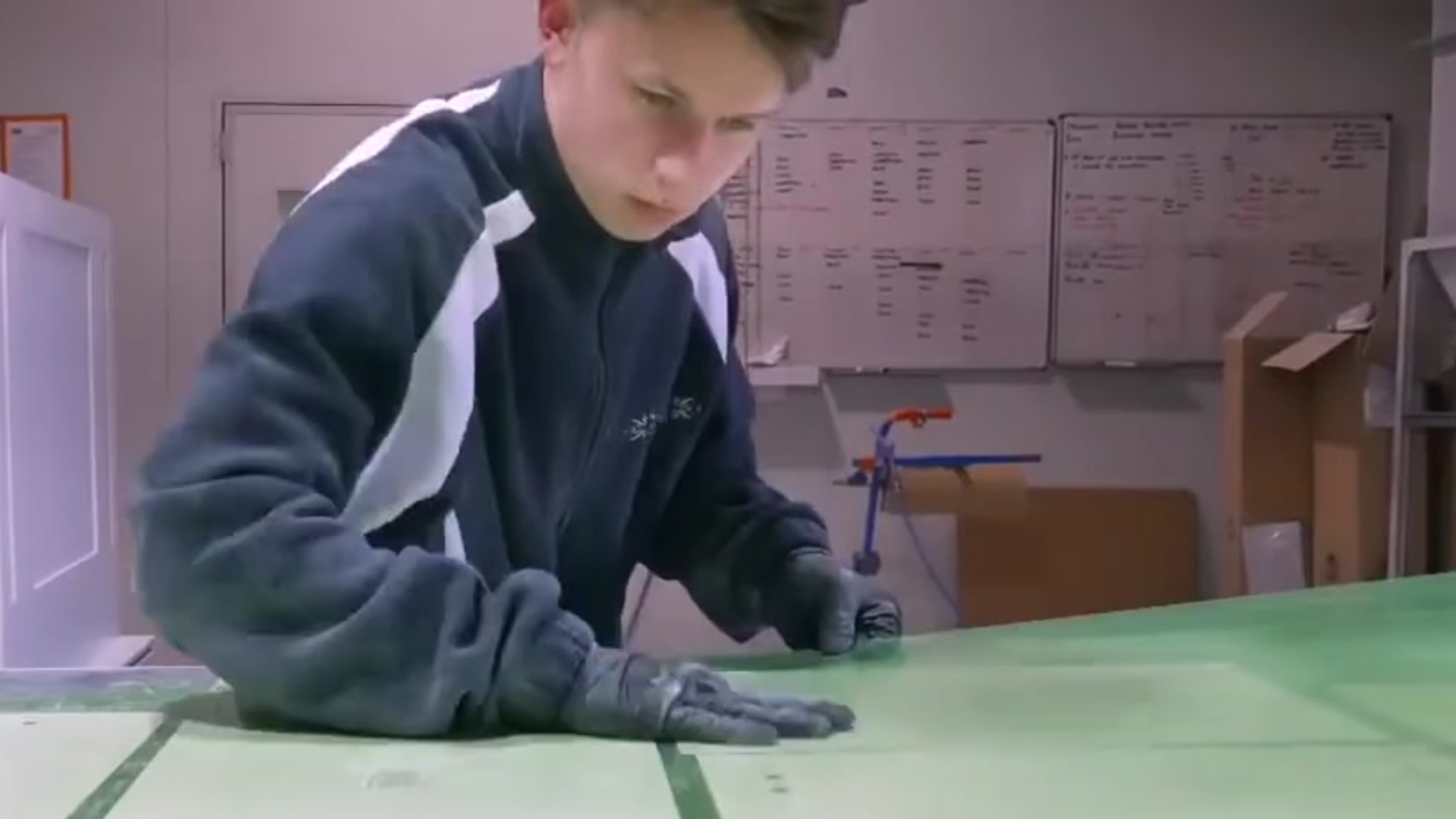
young man preparing cabinets for painting

Professional Polyurethane Painting Sydney

If the information above has helped you decide on polyurethane, our team is here to help. We are an experienced Sydney-based spray-painting service specialising in high-quality polyurethane cabinet finishes. Explore more about how we offer custom polyurethane kitchen doors here.

Next Step: Contact us for a cost estimate, and one of our friendly team members will be happy to assist.

If you’re after a more luxurious, custom look, we also offer beautifully hand-painted and brushed finishes. Explore our premium hand-painted options here.

Should You Paint or Replace Your Kitchen Cabinets?

Should You Paint or Replace Your Kitchen Cabinets?

Painting Kitchen Cabinets vs Replacing Them: What's the Right Choice?

Are your kitchen cabinets starting to look a little tired or outdated? You’re not alone. Many homeowners face the same conundrum: Asking themselves. Should I repaint my kitchen cabinets or replace them entirely?

In this blog, we’ll explore when it makes sense to paint. The pros and pitfalls of kitchen cabinet painting, and whether it’s a DIY job or best left to the professionals.

The good news? Yes! Kitchen cabinets can be painted, and when done properly, it’s one of the most cost-effective ways to refresh your space without the expense and disruption of a full kitchen renovation.

However, the key to success lies in knowing when painting is the right choice. Things to consider are: Are your cabinets still structurally sound? Do you still like your kitchen layout? Has the style of your kitchen cabinets dated beyond saving?

Then, a professional cabinet painting might be all you need. From colour updates to restoring scuffed or worn finishes, a quality painted finish can completely transform your kitchen.

So, let’s dive into what you need to know:

✅ When to paint vs when to replace

✅ The pros and common pitfalls of kitchen cabinet painting

✅ Whether to DIY or hire a professional like Highlands Hand Painting for a flawless finish.

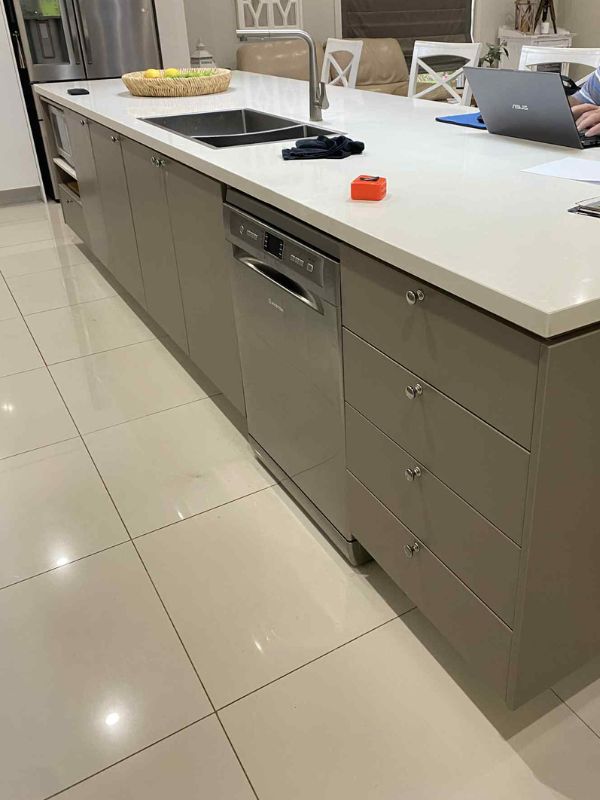
kitchen islands with brown doors and white benchtop
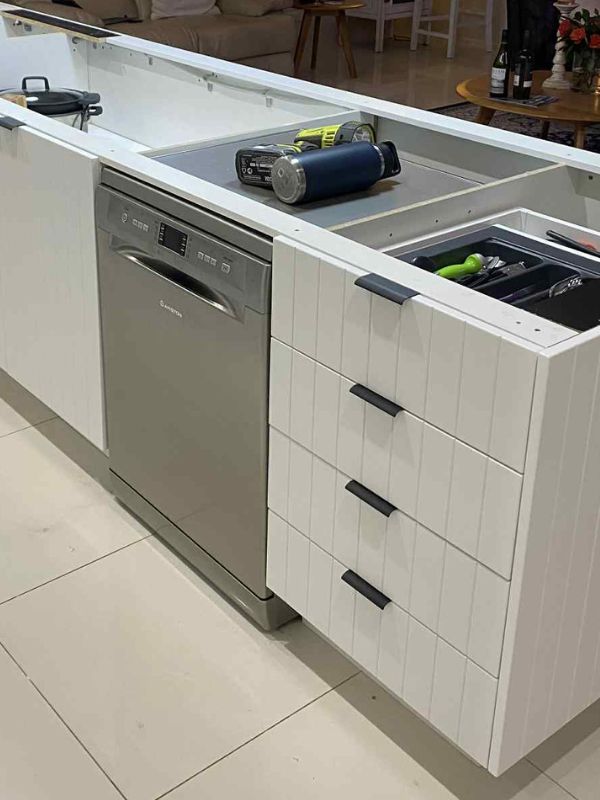
kitchen island cupboards resurfaced with white paint and door profiling

Why Painting Kitchen Cabinets Is Worth Considering

If you’re still wondering whether painting your kitchen cabinets is a smart choice, here are some compelling reasons why it often is.


♻️ It’s Sustainable and Waste-Free

Choosing to repaint your kitchen cabinets instead of replacing them is one of the most eco-friendly decisions you can make during a kitchen upgrade. Many homeowners feel uneasy about sending perfectly usable cabinetry to the landfill. By refreshing your current cabinets with a professionally painted finish, you’re not only saving resources, you’re reducing unnecessary waste.

💰 It’s a Strategic Investment

Planning to sell your home soon? Giving your kitchen a fresh coat of paint can be a smart move. A kitchen refresh, even something as simple as repainting the cabinets, can dramatically improve buyer appeal. Some real estate experts suggest that cabinet painting alone can offer up to a 72% return on investment, making it one of the most valuable upgrades for resale.

🛠️ It Opens the Door to Other Updates

One unexpected benefit of painting kitchen cabinets is the flexibility it gives you with hardware. If your current door handles or knobs feel dated, painting gives you the opportunity to change them without being stuck with existing holes. Old drill holes can be patched and re-drilled to suit new hardware, allowing you to modernise the entire look of your kitchen more easily.

💵 It’s Cost-Effective

Replacing your cabinets can eat up a large portion of your renovation budget. Painting them, on the other hand, typically costs a fraction of the price. This gives you more room in your budget to invest in other upgrades, like new benchtops, flooring, or those high-end appliances you’ve had your eye on.

🛡️ It Protects and Prolongs Your Cabinets

Professional-grade cabinet paints don’t just look good. They add a protective layer that helps shield your cabinets from the knocks, stains, and wear-and-tear of everyday life. With the right preparation and finish, your cabinets will look better and last longer.

🎨 It Adds Personality and Style

Your kitchen is one of the most-used spaces in your home. Why not make it feel more you? Whether you’re after a classic white, a bold navy, or a muted sage green, painting your cabinets allows for a completely personalised look that reflects your taste and lifestyle.

✨ It Can Be Truly Transformative

If your cabinets are structurally sound but look outdated or worn, a professional paint job can work wonders. Many homeowners are surprised by just how fresh and high-end their old cabinets look once painted. It’s often the transformation they didn’t realise was possible.

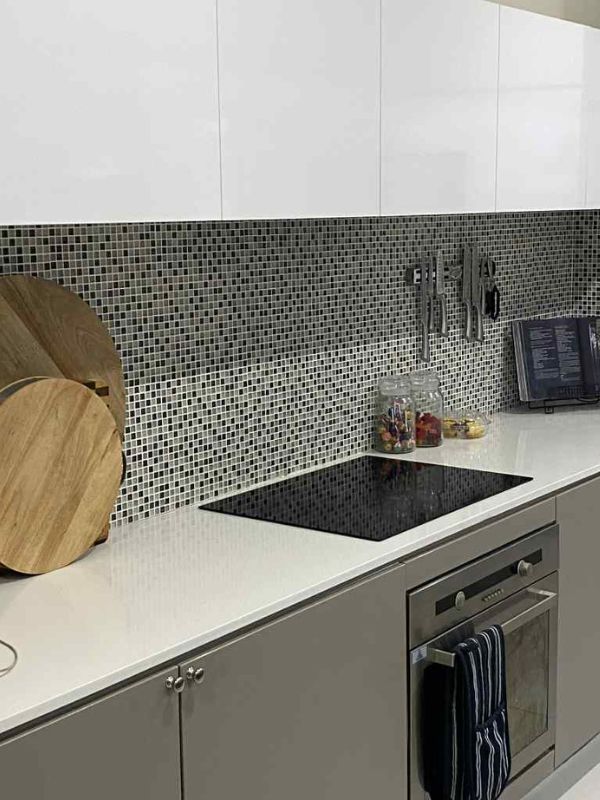
kitchen cabinet in brown colour with small blue tiles for splashback
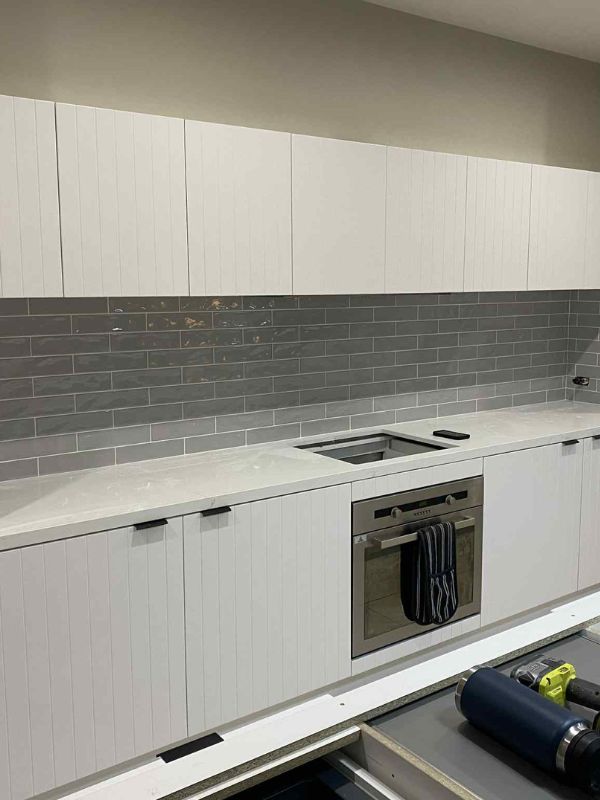
kitchen resurfaced with new cabinet doors in white

Common Cabinet Painting Mistakes (and How to Avoid Them)

While painting kitchen cabinets offers plenty of benefits, the results only shine when the process is done correctly. Whether you’re planning your DIY cabinet painting or considering calling in a professional. Several common pitfalls can ruin the final look or shorten its lifespan.

Here’s what to watch out for:

🎨 Using the Wrong Paint or Primer

Not all paints are created equal, especially when it comes to kitchens. The high humidity, regular cleaning, and general wear-and-tear mean you need a durable, hardwearing paint designed specifically for cabinetry.

Avoid regular wall paint at all costs. Cabinet surfaces need a strong bond, which is only achieved using high-quality primers and enamel paints (either water-based or oil-based). The right primer also depends on the material you’re working with, whether it’s timber, laminate, MDF, veneer, or melamine.

Pro tip: For non-wood surfaces like laminate, proper prep and priming are essential for paint to adhere. This often includes sanding or even removing the surface layer before applying a suitable bonding primer.

🧼 Skipping Surface Preparation

Proper prep work is everything when it comes to cabinet painting.

One of the biggest mistakes DIYers make is painting over greasy, dirty cabinets or skipping sanding altogether. You must thoroughly clean, degrease, lightly sand, and ensure the cabinets are fully dry before any paint touches the surface. Any residue, dust, or gloss left on the doors will compromise the finish and cause peeling or bubbling.

🚪 Painting Without Removing the Doors

It might seem easier to paint your cabinet doors while they’re still hanging, but this shortcut usually leads to uneven edges, messy brush strokes, and hard-to-reach areas. For the best results, always remove doors, drawers, and hardware before painting.

This also makes it easier to paint the surfaces flat and avoid dripping. Resulting in a smoother, more professional look.

🔢 Not Labelling Doors and Drawers

You’ll thank yourself later if you take a few extra minutes to label everything. Once all the doors and drawers are removed, it can be surprisingly hard to remember what goes where.

Use painter’s tape or a numbering system to mark each piece. Including hinges and handles, so reassembly is smooth and accurate.

⏳ Not Allowing Enough Drying Time

Another common issue with DIY painting is rushing the drying and curing process. Cabinet paint needs ample time to dry and harden. Often 48 to 72 hours between coats, and up to a week for a full cure, depending on temperature, humidity, and paint type.

Touching or reassembling too soon can lead to smudging, peeling, or fingerprints that ruin an otherwise flawless finish.

🛠️ Going DIY When You Should Call a Pro

Painting cabinets may seem straightforward, but getting a truly smooth, streak-free, durable finish is far from easy.

If you’re unsure about your cabinets’ material, unfamiliar with surface prep, or aiming for a flawless, spray-like finish, it’s best to call in professionals like Highlands Hand Painting.

We have the tools, techniques, and experience to deliver a premium result with zero stress, including:

  1. Precision spraying or hand-painted finishes
  2. Dust-controlled workspace setups
  3. Expert colour matching and product selection
  4. Long-lasting coatings that resist kitchen wear and tear
  5. 7-year warranty on our paint and workmanship

If you want everything to be perfect or just want to relax, hiring a pro helps your cabinets look new and stay that way.

    In Summary: How to Paint Kitchen Cabinets

    ✅ Use the right paint and primer for your cabinet material

    ✅ Clean, degrease, sand, and prep every surface thoroughly

    ✅ Remove doors and label everything before painting

    ✅ Stick to proper drying times and don’t rush the process

    ✅ Know when it’s time to call in the pros

    hand painted butlers pantry
    blue painted joinery kitchen

    So, Is Painting Kitchen Cabinets a Good Idea?

    Yes! Painting your kitchen cabinets is a smart, stylish, and sustainable way to breathe new life into your space. If your cabinetry is still in good shape structurally, but the finish feels outdated or worn, a quality paint job can extend its life and give your kitchen a completely refreshed look.

    It’s one of the most effective ways to update your kitchen without the cost or chaos of a full renovation, especially when done right. And with the right products, preparation, and expertise, the results can be nothing short of transformative.

    At Highlands Hand Painting, we specialise in professional cabinet refinishing, hand painting, and premium poly finishes that deliver flawless results. Whether you’re after a timeless refresh or a bold new look, our team of expert Sydney kitchen cabinet painters is here to help.

    📞 Ready to transform your kitchen? Contact us today to discuss your vision or request a free quote.